
The Percival Sea Prince, a maritime patrol and transport aircraft, played a significant yet often overlooked role in the history of British naval aviation. Developed from the civilian Percival Prince, this versatile aircraft served with distinction in the Royal Navy’s Fleet Air Arm for over two decades.
The Sea Prince’s story begins in the late 1940s with the Percival Prince, a civilian transport aircraft designed to meet the British civil aviation market’s needs in the immediate post-war period. The Prince’s potential for military applications was quickly recognized, leading to the development of the Sea Prince for the Royal Navy. The Sea Prince made its first flight in 1952, entering service with the Royal Navy in 1954. It was primarily intended as a replacement for the aging Avro Anson in the navigation training role, but its versatility soon saw it adopted for a variety of missions.
The Royal Navy initially acquired the Sea Prince T.1 variant for navigation training. These aircraft were used to train observers (navigators) in the intricacies of over-water navigation, a crucial skill for maritime operations. The Sea Prince’s stable flying characteristics and spacious cabin made it an ideal platform for this role. As the Sea Prince proved its worth, the Royal Navy expanded its use. The C.1 variant was introduced for light transport and communication duties, while the MR.1 was developed for coastal maritime patrol. This latter variant played a crucial role in monitoring Soviet submarine activity during the Cold War, particularly in the North Sea and North Atlantic.
The aircraft’s service life with the Royal Navy extended from 1954 to 1978, a testament to its reliability and adaptability. The Sea Prince served with several Fleet Air Arm squadrons, including:
- 750 Naval Air Squadron: Navigation training
- 771 Naval Air Squadron: Search and rescue operations
- 829 Naval Air Squadron: Maritime patrol
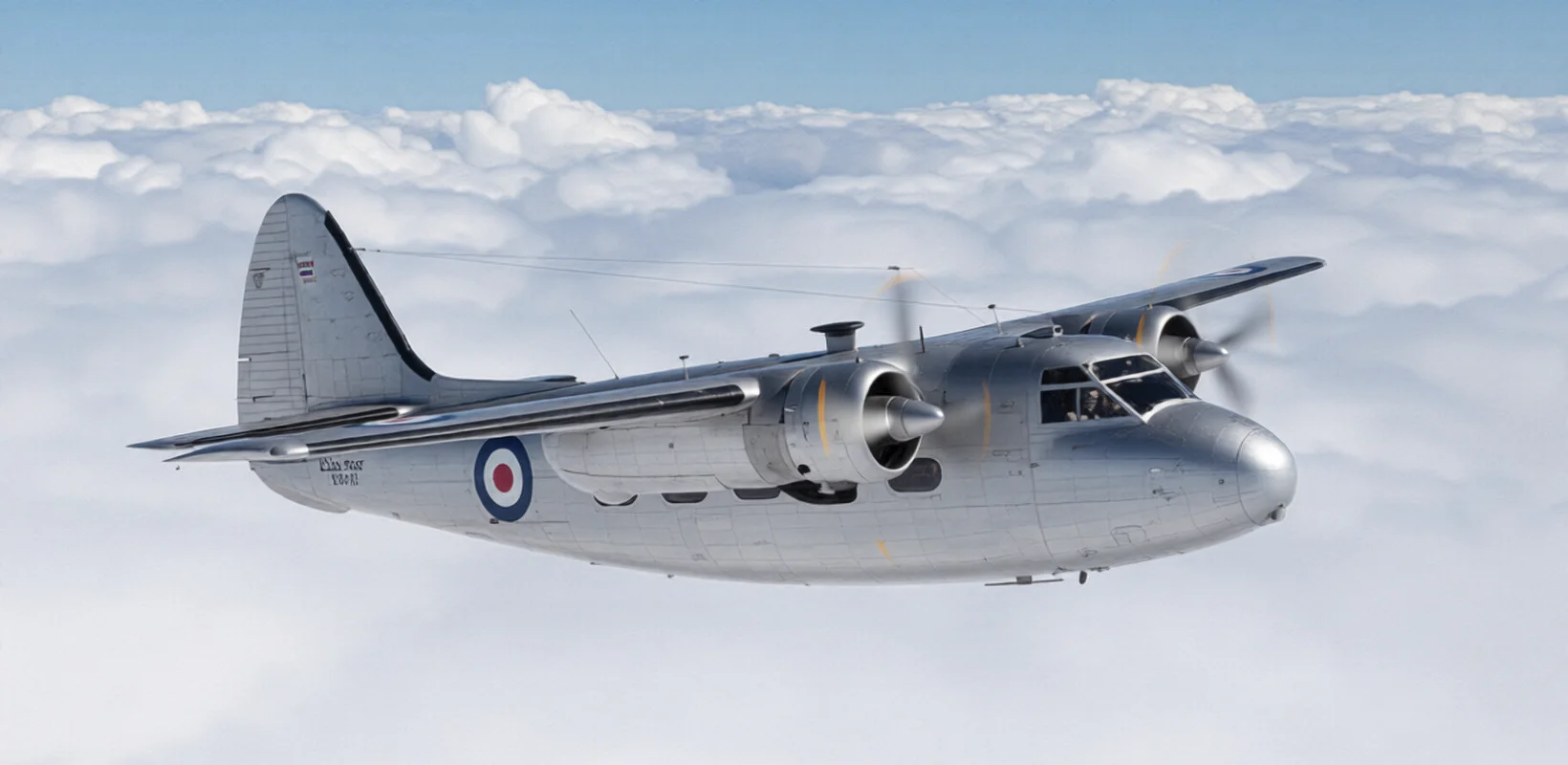
Pilots who flew the Sea Prince often speak of its docile handling characteristics and excellent visibility.
Entering the Sea Prince’s cockpit, pilots are greeted by a spacious and well-organized environment. The large windows provide excellent visibility, crucial for both training and operational missions. The instrument panel is logically arranged, with flight instruments centrally located and engine gauges easily visible.
The Sea Prince features a conventional control yoke rather than a stick, reflecting its transport aircraft lineage. The throttle quadrant, typically located between the pilot and co-pilot seats, allows for precise power management of the two Alvis Leonides 126 radial engines.
As the Sea Prince accelerates down the runway, pilots appreciate the aircraft’s stable behavior. The take-off roll is relatively short, with the aircraft typically becoming airborne at around 85 knots. The Sea Prince’s excellent field performance made it well-suited to operations from smaller airfields and Royal Navy air stations. Once airborne, the climb rate of approximately 1,100 feet per minute allows for efficient ascents to cruising altitude. The Sea Prince’s high wing design provides good ground visibility during the climb, a useful feature for both training and patrol missions.
At typical cruise speeds of around 160 knots, the Sea Prince exhibits stable and predictable handling characteristics. The controls are well-harmonized, allowing for smooth and precise maneuvering. This stability made the Sea Prince an excellent platform for navigation training, as it allowed trainee observers to focus on their tasks without being distracted by challenging aircraft handling.
The Sea Prince’s behavior in various weather conditions was generally good, a crucial factor for an aircraft expected to operate in the often challenging weather of the North Atlantic. Its de-icing systems were effective, allowing for operations in light icing conditions.
One of the Sea Prince’s most appreciated features was its endurance. With a range of over 1,000 nautical miles, the aircraft could remain airborne for extended periods, making it well-suited for long patrol missions and search and rescue operations.
Approaching for landing, pilots appreciate the Sea Prince’s docile low-speed handling characteristics. The aircraft’s design allows for stable approaches, with good visibility over the nose facilitating accurate landings. The effective flaps and robust landing gear enable operations from relatively short runways, a valuable capability for a naval aircraft expected to operate from various locations.
The Sea Prince’s capabilities were well-matched to its various roles within the Royal Navy. While not a high-performance aircraft by fighter standards, its performance envelope was ideally suited to its training and patrol missions.
- Maximum speed: 228 mph (367 km/h) at sea level
- Cruise speed: 184 mph (296 km/h)
- Range: 1,260 miles (2,028 km)
- Service ceiling: 24,000 ft (7,315 m)
- Rate of climb: 1,100 ft/min (5.6 m/s)
- T.1 (Trainer): Typically carried a crew of three (pilot, co-pilot, and instructor) plus up to seven student observers
- C.1 (Transport): Could carry up to 16 passengers or equivalent cargo
- MR.1 (Maritime Patrol): Equipped with radar and other sensors, typically carried a crew of five
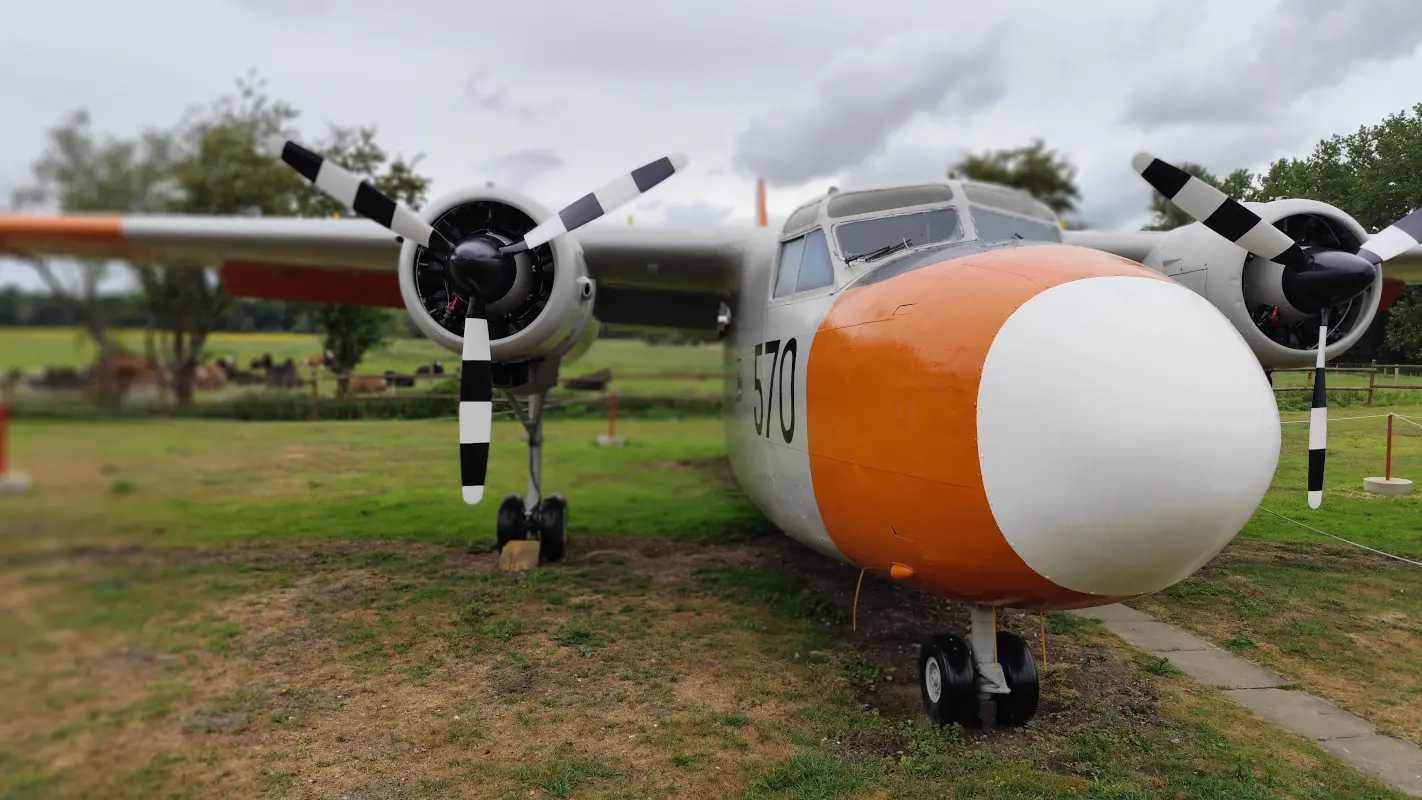
The MR.1 variant was particularly noteworthy. It was equipped with a search radar in a distinctive radome under the forward fuselage, as well as other sensors for maritime patrol duties. While not as capable as dedicated maritime patrol aircraft like the Avro Shackleton, the Sea Prince MR.1 provided a cost-effective solution for coastal surveillance and submarine detection.
Throughout its service life, the Sea Prince was involved in numerous operations and missions that showcased its versatility and reliability. While the Sea Prince may not have achieved the fame of some of its contemporaries, its impact on Royal Navy operations was significant. The aircraft’s reliability and versatility made it a valuable asset in a variety of roles:
Training Role:
In its primary role as a navigation trainer, the Sea Prince was instrumental in preparing generations of Royal Navy observers for their crucial role in maritime operations. The aircraft’s stability and endurance allowed for realistic training scenarios, including long over-water navigation exercises.
Maritime Patrol:
During the Cold War, Sea Prince MR.1 aircraft played a vital role in monitoring Soviet submarine activity in the waters around the British Isles. These aircraft often worked in conjunction with other assets, including ships and more capable patrol aircraft, to maintain surveillance of potential threats.
Search and Rescue:
Sea Princes assigned to search and rescue duties were involved in numerous life-saving missions. The aircraft’s long endurance and good low-speed handling made it well-suited for searching large areas of ocean and coordinating rescue efforts.
Transport and Communication:
In its transport role, the Sea Prince C.1 provided valuable logistics support to Royal Navy operations. These aircraft were used to ferry personnel and critical supplies between naval bases and ships at sea, enhancing the fleet’s operational flexibility.
The Sea Prince’s success in the navigation training role helped maintain the high standards of the Fleet Air Arm’s observer corps, contributing to the overall effectiveness of British naval aviation. In its maritime patrol role, the Sea Prince played a part in the broader strategy of anti-submarine warfare during the Cold War. The experience gained with the Sea Prince influenced the development of subsequent maritime patrol aircraft. While more advanced aircraft like the Hawker Siddeley Nimrod would eventually take on the maritime patrol role, the Sea Prince had demonstrated the value of a multi-role platform in naval aviation.
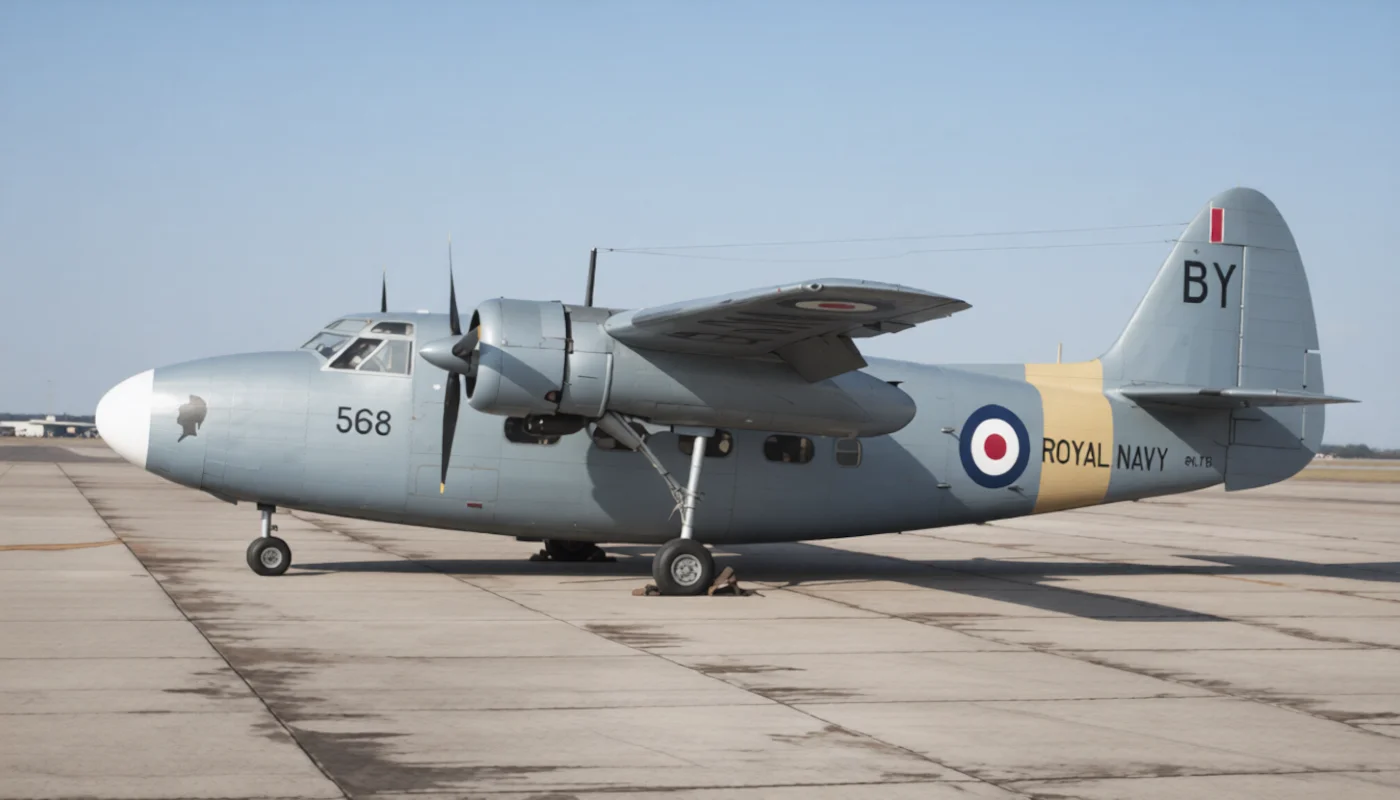
The Percival Sea Prince, though often overshadowed by more famous aircraft, played a crucial role in Royal Navy operations for over two decades. Its adaptability, seen in its successful employment in roles ranging from training to maritime patrol, exemplifies the versatility prized in naval aviation. Its service with the Royal Navy demonstrates that sometimes, the unsung heroes play just as crucial a role as their more famous counterparts in maintaining national security and projecting naval power.
For the pilots and crew who flew it, the Sea Prince represented a reliable and capable platform. Its stable flying characteristics made it an ideal trainer, while its endurance and adaptability made it a valuable asset in operational roles.
As we reflect on the Sea Prince’s history, we see an aircraft that epitomized the workhorse ethos. It may not have been the fastest or most advanced aircraft of its era, but its contributions to Royal Navy aviation were substantial. The Sea Prince’s legacy lives on in the generations of naval aviators it helped train and in the maritime security it helped maintain during a crucial period of the Cold War.
Sea Prince T.1 — Serial 676
Sea Prince 676 was one of the Royal Navy’s dedicated multi-engine trainers, operated by the Fleet Air Arm in the post-war period. Assigned to Royal Naval Air Station (RNAS) Culdrose, 676 served primarily in the training role with Observers and Pilot Grading Schools, helping to prepare Fleet Air Arm crews for conversion to larger and more complex aircraft, such as the Fairey Gannet and Hawker Sea Hawk.
Unlike the earlier Percival Prince civil variants, the Sea Prince T.1 featured a reinforced structure for maritime conditions, folding wings for shipboard storage, and specialised naval avionics. Serial 676 was fitted with the characteristic long nose for radar/navigation training equipment and dual controls.
Throughout her operational life, 676 took part in various navigation and radar training sorties, often operating from secondary airfields and providing reliable service in the Fleet Air Arm’s transition from piston-engine aircraft to the jet age. She bore the typical Navy training colours of silver and yellow bands, and carried the number “676” prominently on the tail and nose section.
In the early 1970s, as the Sea Prince fleet was gradually retired and replaced by newer aircraft like the Jetstream T.2, airframe 676 was withdrawn from front-line service. However, rather than being scrapped, she was selected for preservation.
After retirement, 676 was transferred to the Fleet Air Arm Museum at RNAS Yeovilton, where she was carefully restored.
As of the 2000s, she remains on static display here in Flixton — often noted for her well-maintained paint and authentic interior, used for education and public display. She stands as one of the few preserved Sea Princes, offering insight into Royal Navy training during the Cold War period.