English Electric
Canberra
Model No:
T.4
Registration No:
WH840
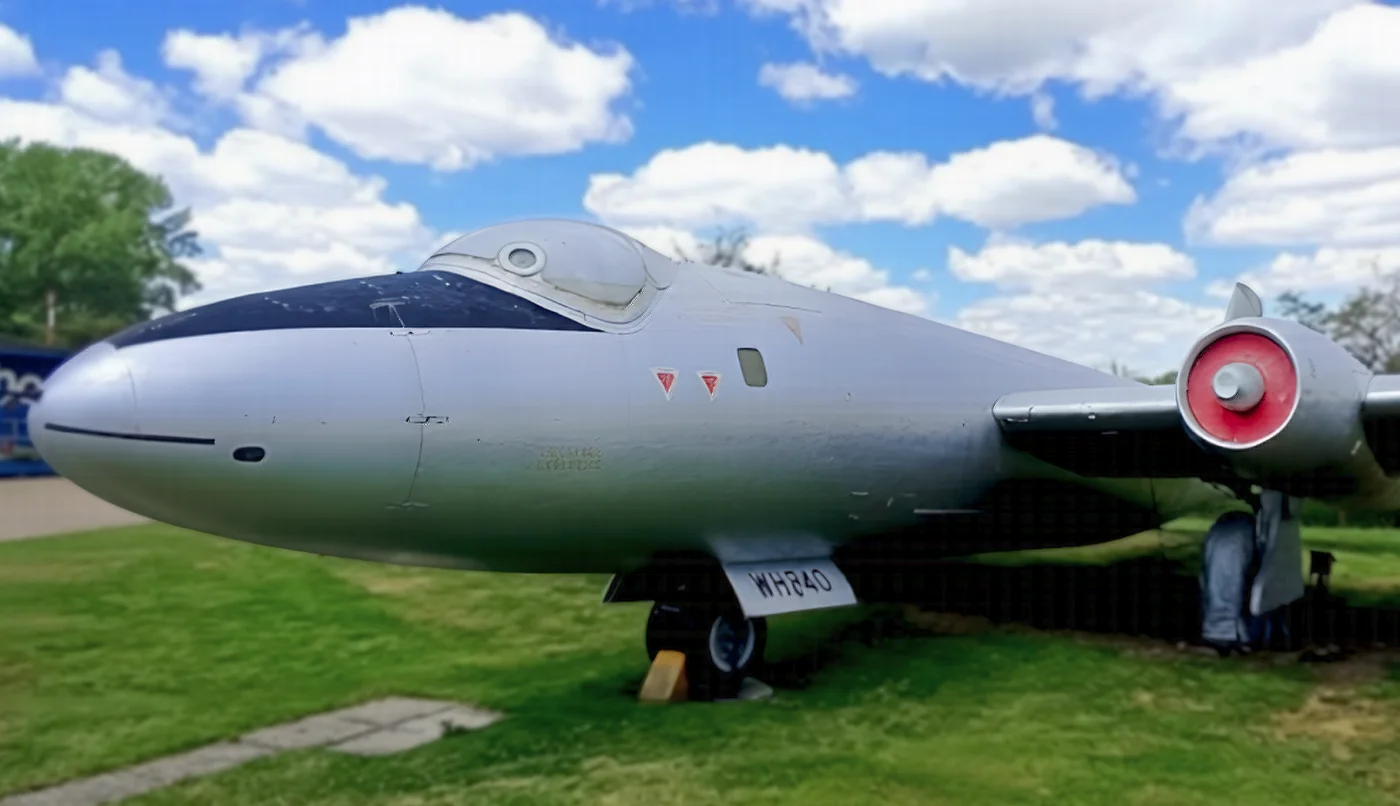
Canberra T.4 WH840 was one of the RAF’s dedicated twin-seat training variants of the legendary English Electric Canberra — Britain’s first jet-powered bomber and one of its most successful post-war aircraft. The T.4 version was developed to train pilots and navigators transitioning to the Canberra B.2 and later marks.
English Electric
Canberra
Model No:
B(I).8
Registration No:
XM279
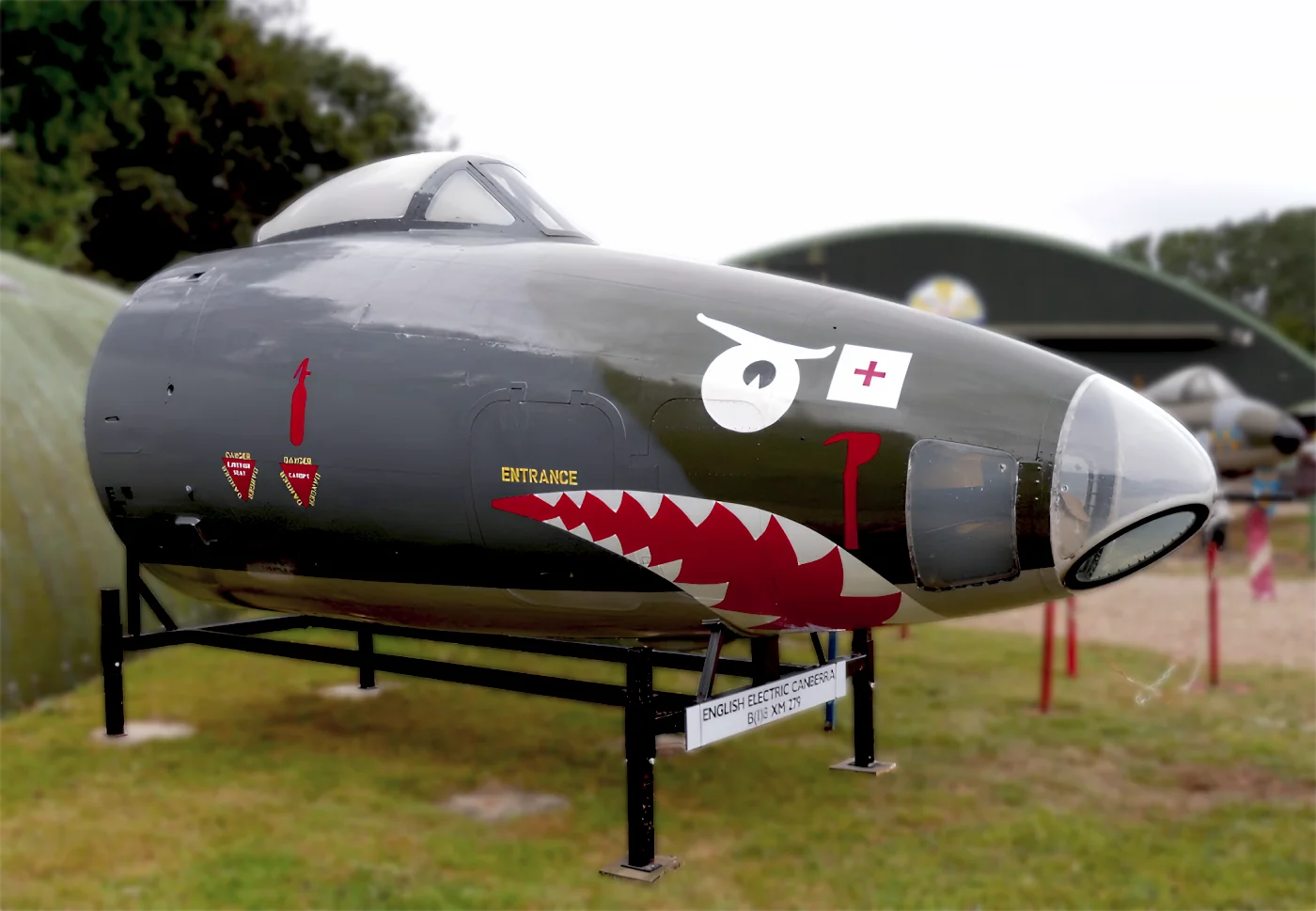
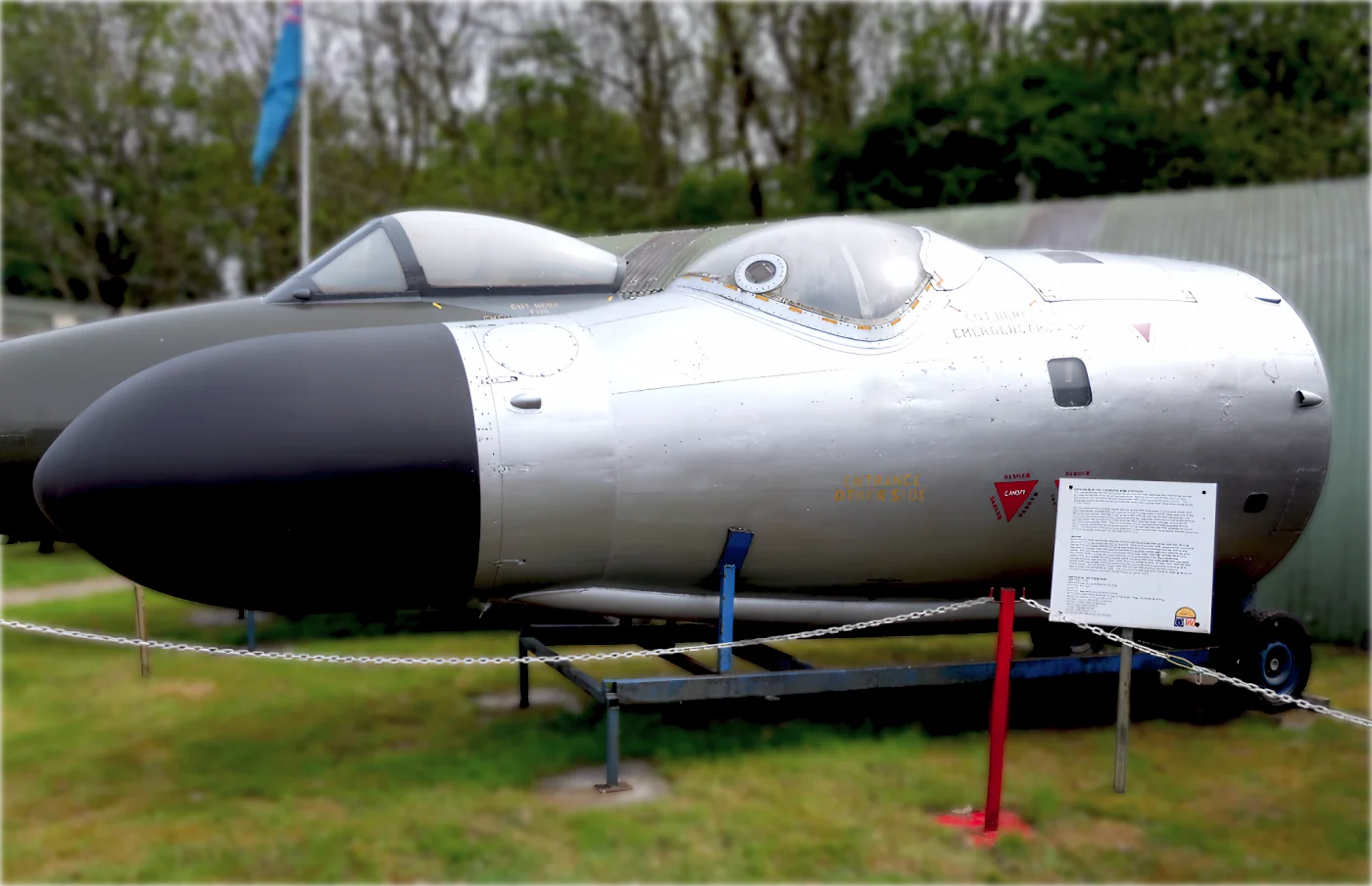
By the early 1950s, it was seen that the high altitude, unarmed jet bomber would become vulnerable to ground-to-air missiles so a special Interdictor version was called for. An entirely new nose fuselage was designed with a fighter-style, off-set cockpit to provide good all-round vision, and a navigator/bomb-aimer position was moved forward of the pilot. A gunpack was fitted in the rear of the bomb bay, and under-wing pylons carried bombs or rocket launchers.
English Electric
Canberra
Model No:
B.2/6
Registration No:
WG789
The Canberra was the first jet bomber to serve in the RAF, and was also the first jet aircraft to make an Atlantic crossing without refuelling. The first production B.Mk 2 version was delivered to 101 Squadron at Binbrook in May 1951 and replaced the Avro Lincoln. This mark was built in greater quantities than any other later variant, and many were based in the Anglia region.
Fokker
Friendship
Model No:
F.27-200
Registration No:
G-BDVS
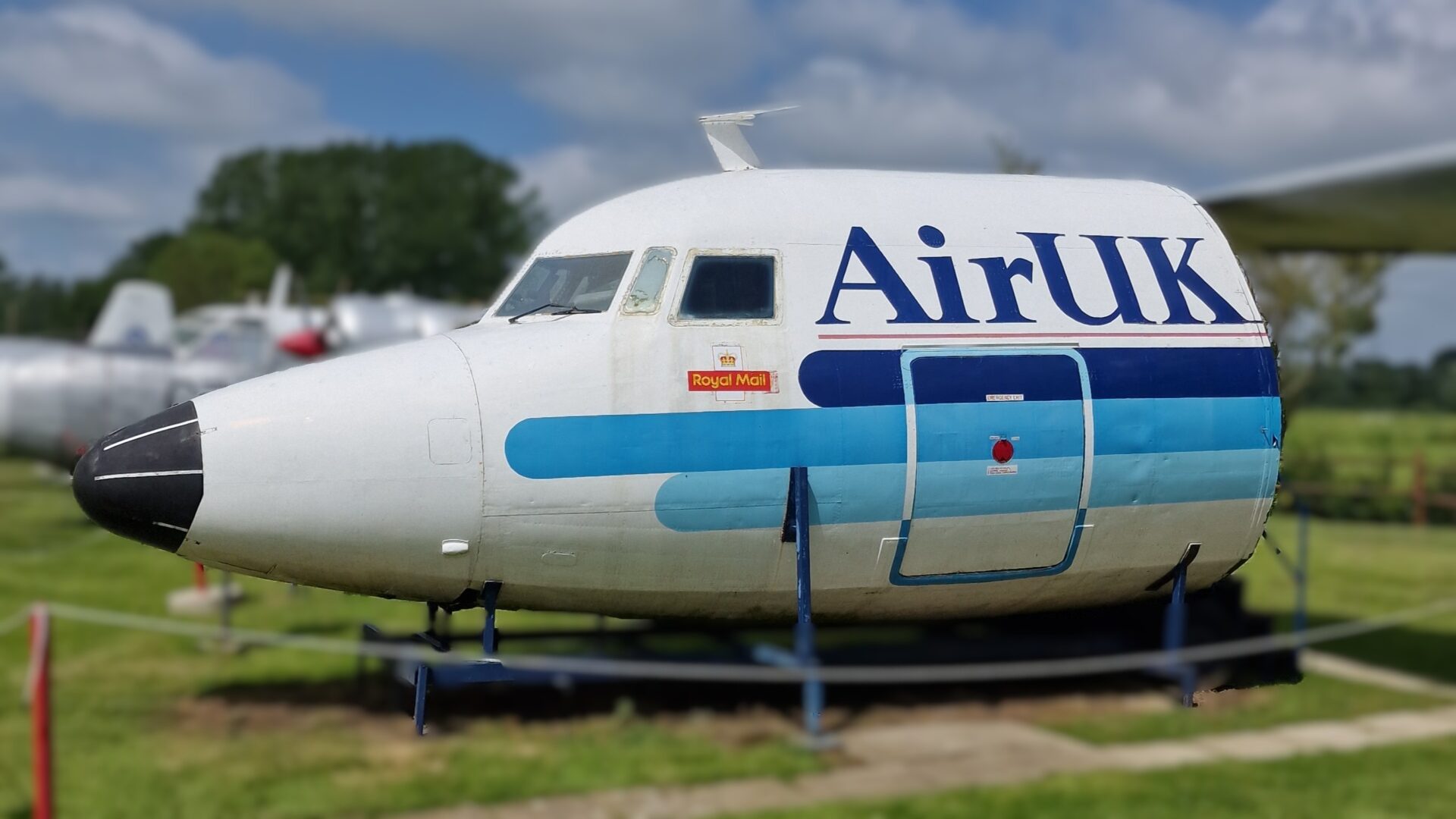
This aircraft, G-BDVS, used to serve with Air Anglia then Air UK from Norwich, usually on the Norwich to Amsterdam route. The cockpit section is complete with most instruments.
Hawker
Hunter
Model No:
FGA.9
Registration No:
XG254
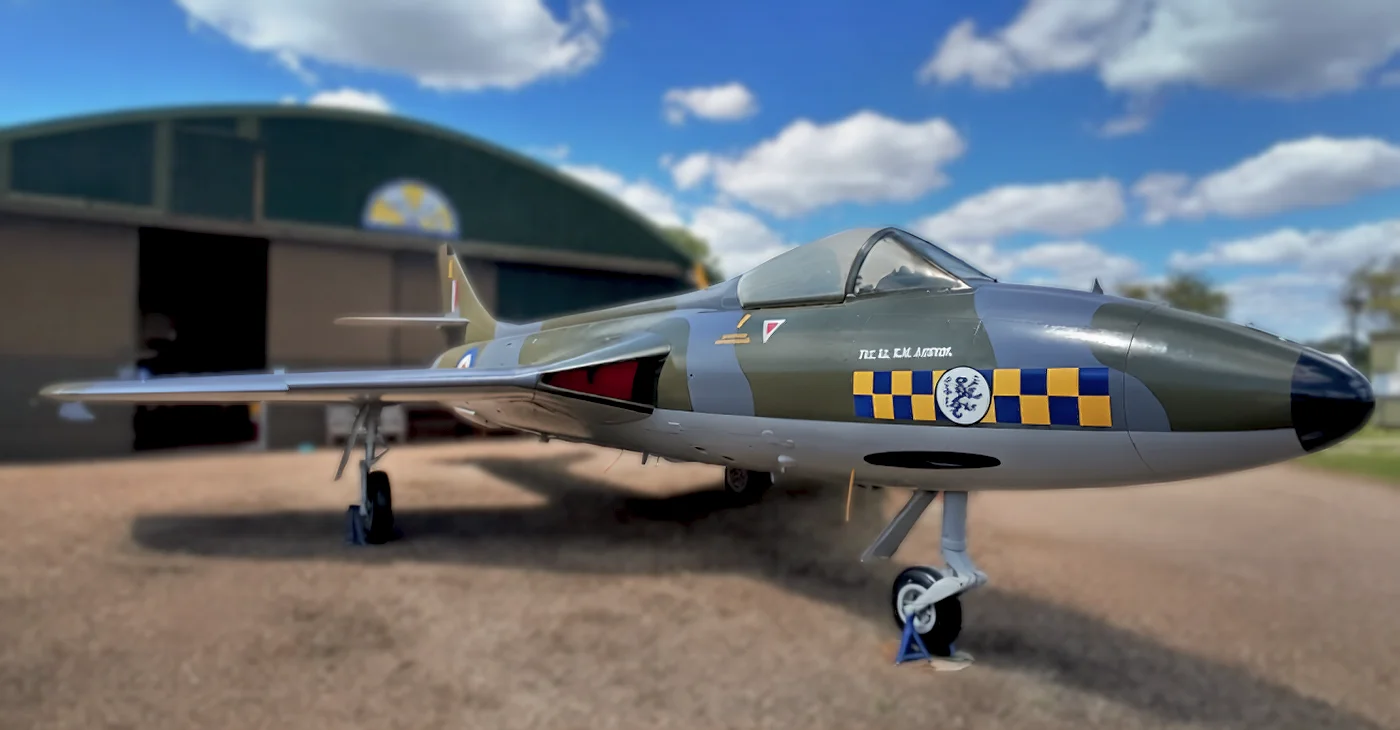
Built as an F.6, this aircraft was allocated in January 1957 to 54 Squadron at Odiham and converted to FGA.9 configuration in the July. The design progressed through various Marks but the F6 was generally regarded to be the "definitive" version. The airframe was purchased by Flixton's former Chairman. Ian Hancock, in 2002 and moved to Flixton for display.
Hawker
Hunter
Model No:
T.12 / T.53
Registration No:
XE531 / ET272
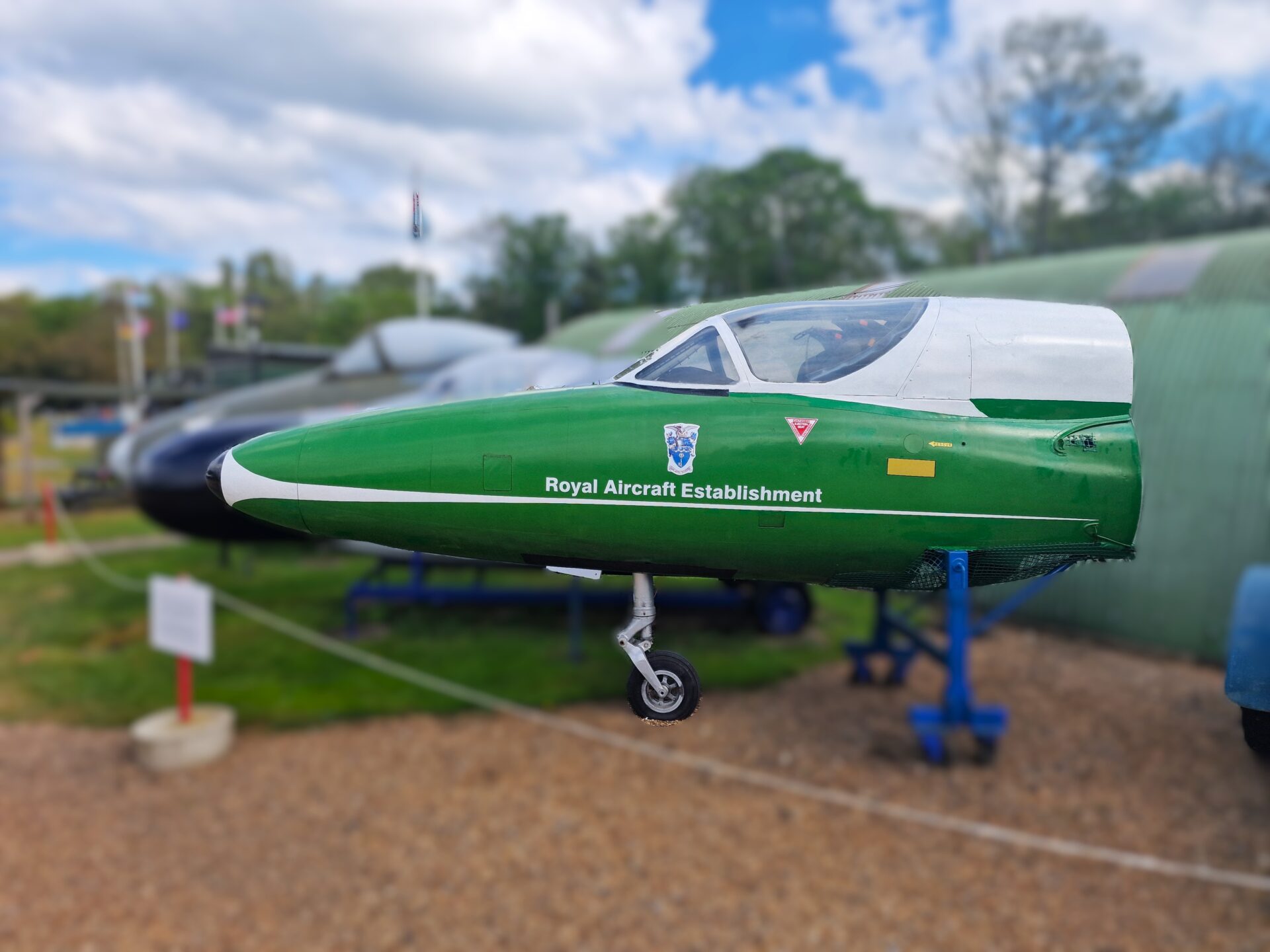
Although this twin seater Hunter is painted and displayed as XE531, a T.12 variant of the Royal Aircraft Establishment, it was actually a T.53 of the Royal Danish Air Force with serial number ET272. The cockpit was donated to the museum in 2015 by the Boulton and Paul Association.
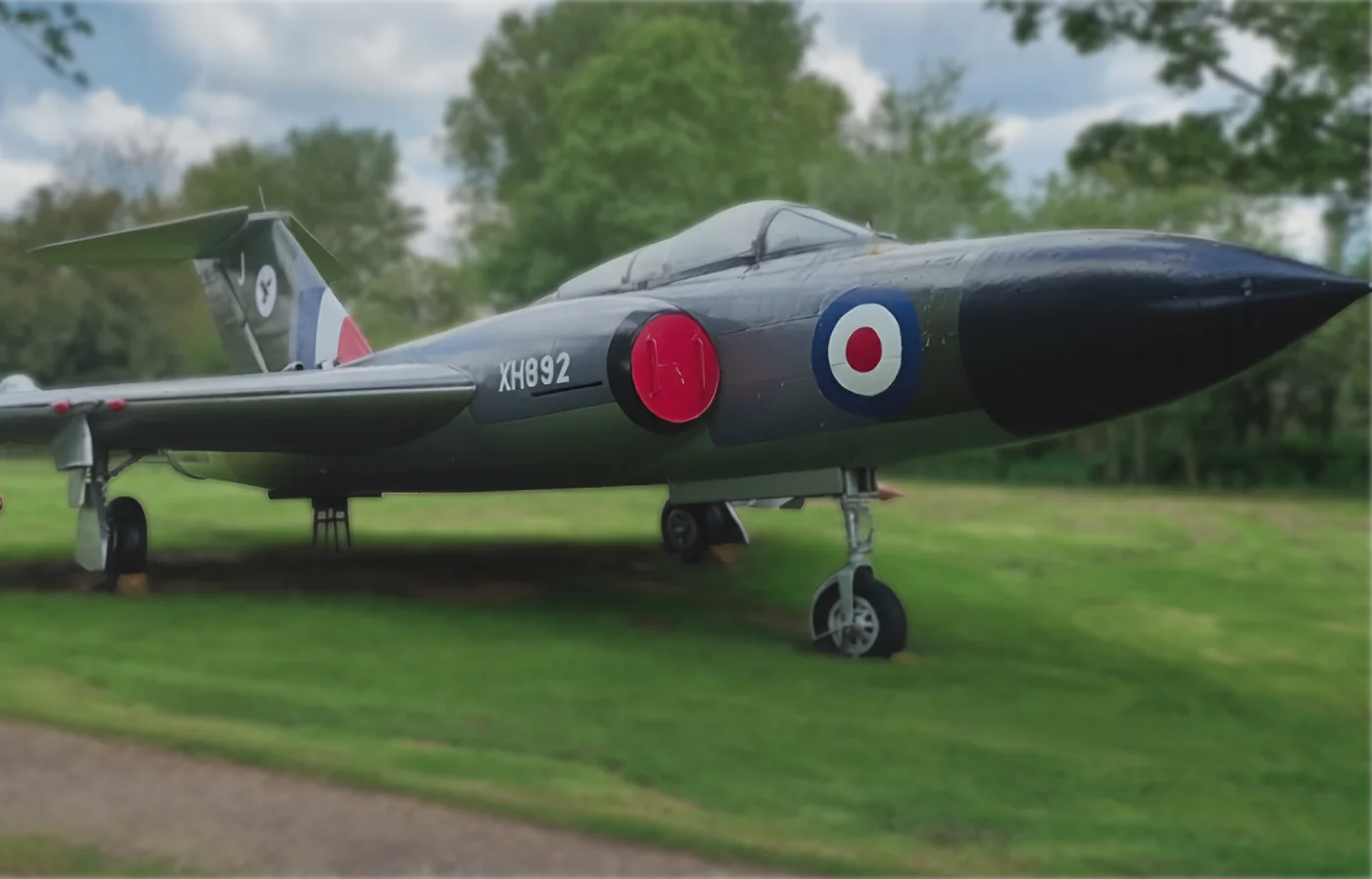
Gloster
Javelin
Model No:
FAW.9R
Registration No:
XH892
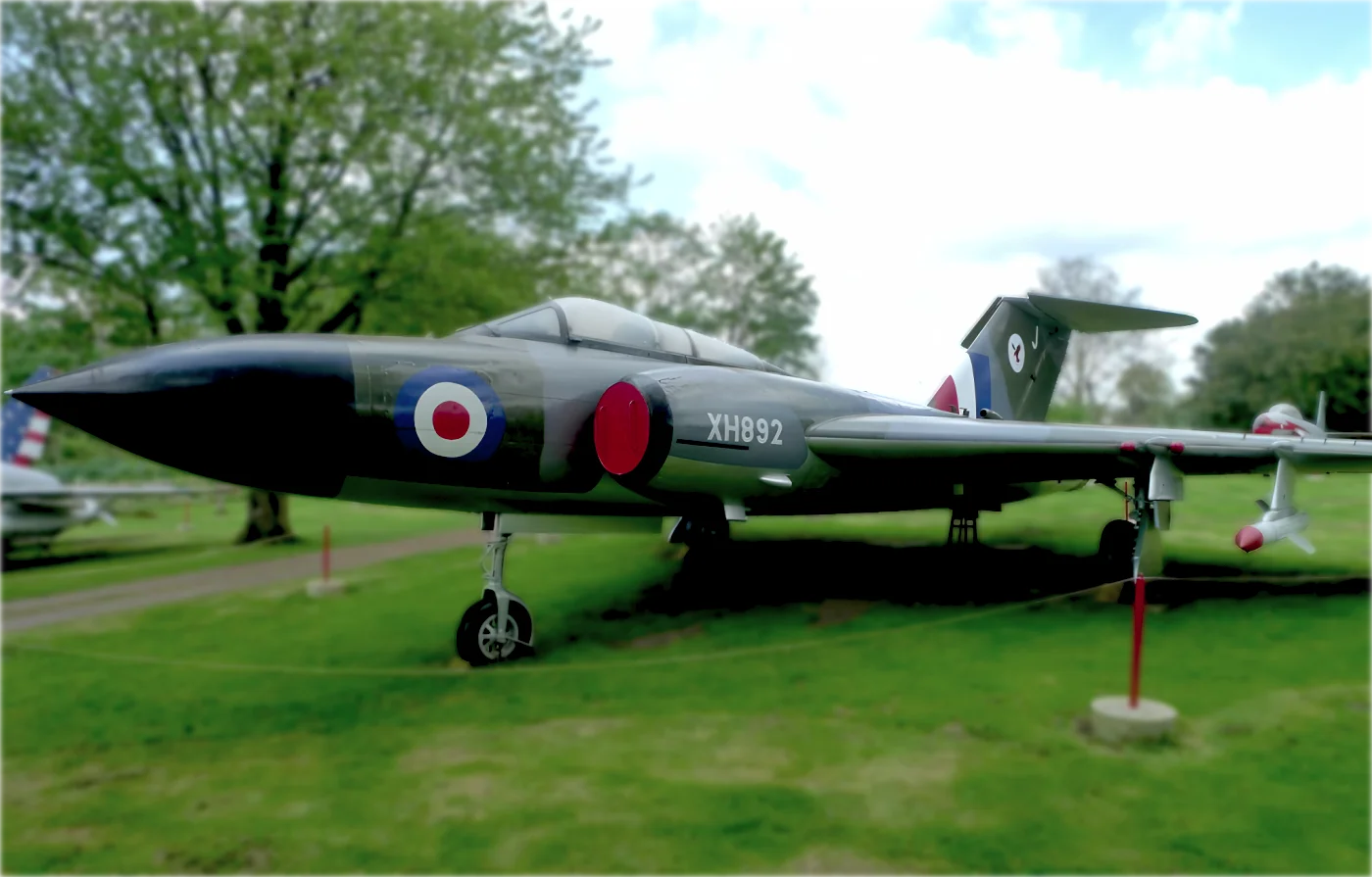
Built originally as an R(AW).7, this aircraft was stored at 5MU Kemble from April 1958 to July 1959 before conversion to F(AW).9 (F/R) standard. It joined 23 Squadron at RAF Coltishall, Norfolk, in 1960 and flight refuelling was practiced by this unit with the Valiants of 214 Squadron at Marham.
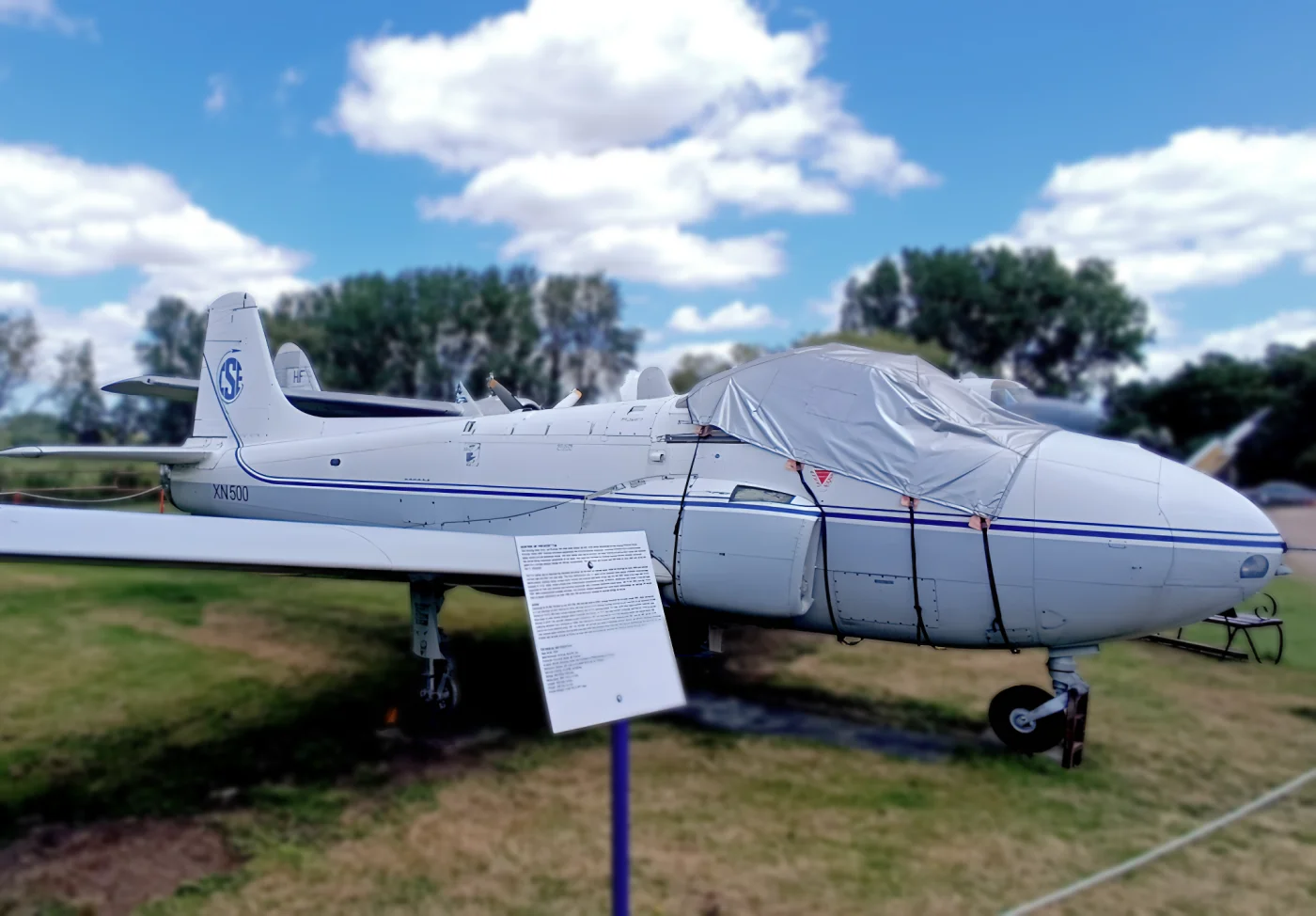
Hunting
Jet Provost
Model No:
T.3A
Registration No:
XN500
The Jet Provost T.3, which was to become the standard jet trainer for the RAF for several years, made its first flight in June 1958 and entered service with the RAF one year later. Some T.3 aircraft were upgraded to T.3A and received new avionics equipment, plus a revised instrument panel layout.
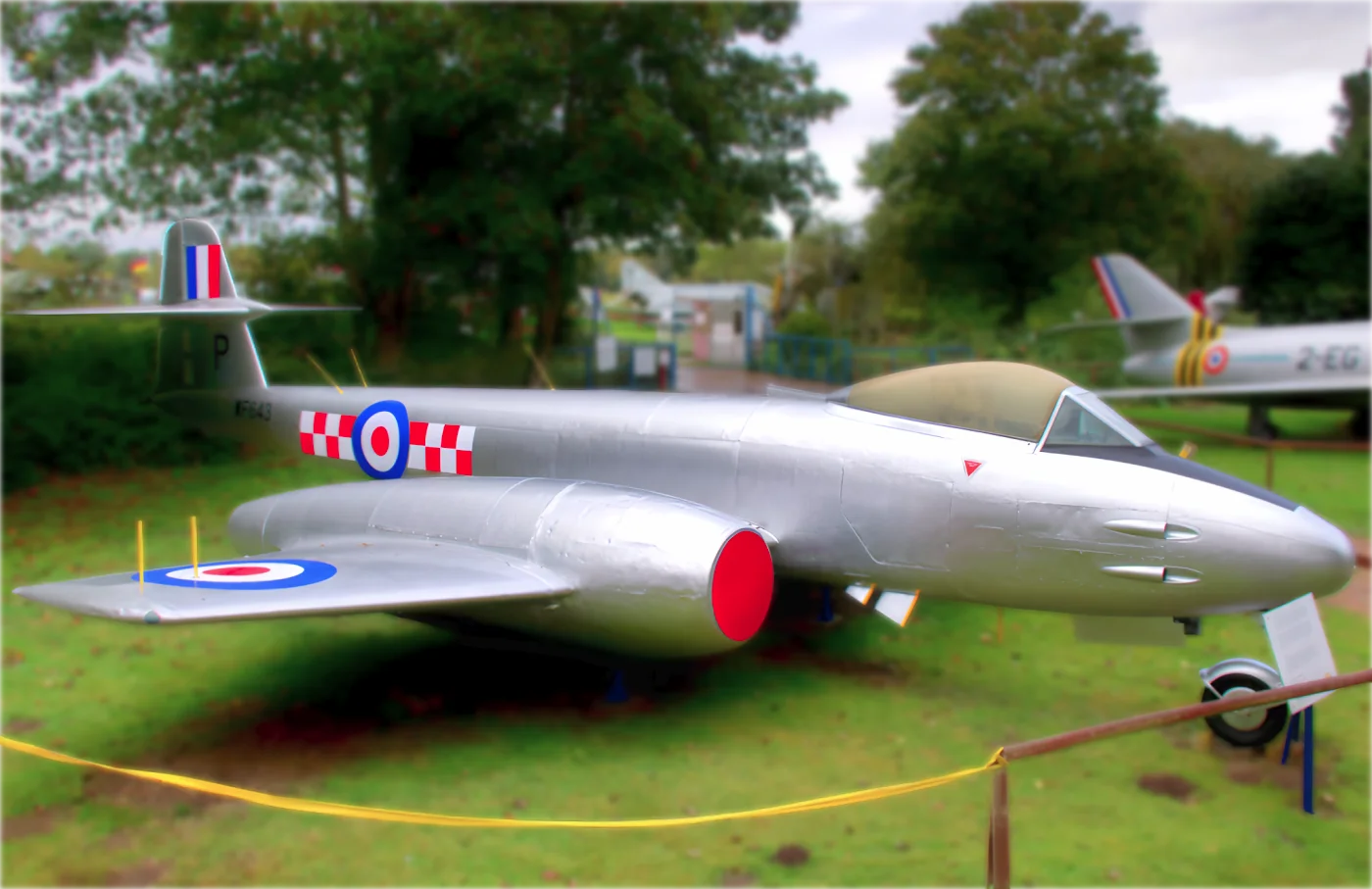
Gloster
Meteor
Model No:
F(TT).8
Registration No:
WF643
Completed at Baginton by Armstrong Whitworth in 1951 this aircraft served with 56, 1 and 611 Squadrons before being transferred to the Middle East Air Force in 1960 where it was allocated to the Nicosia Flight until 1963. During this period it was flown by 43 Squadron as a “hack” and target-tug.
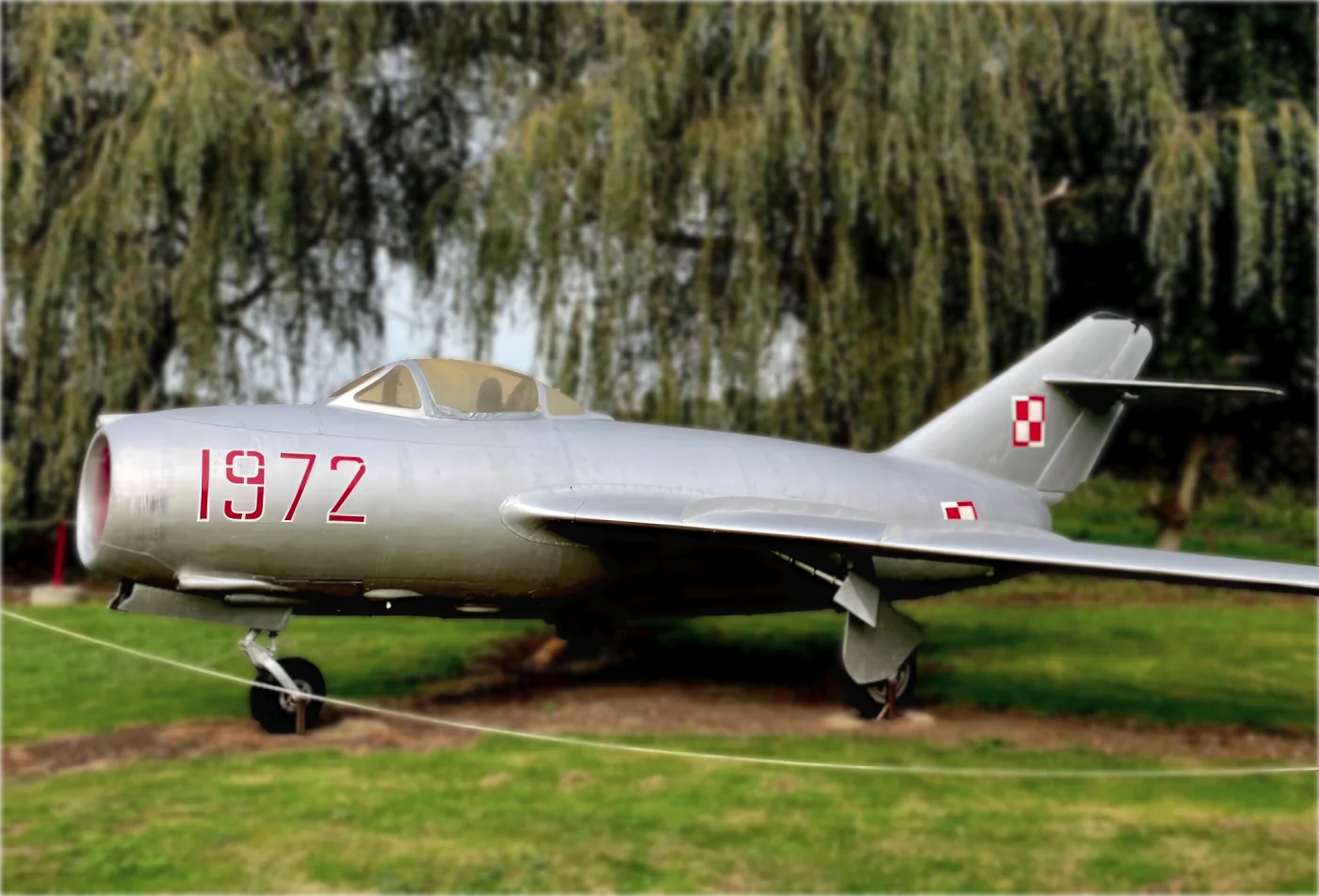
MIKOYAN-GUREVICH
Mig 15
Model No:
15-BIS
Registration No:
623794
This aircraft (623794 c/n 5630022) first flew on 13/9/1956 and served from 6/10/1956 until 1968 with 1.SLP (No.1 Fighter Air Regiment) – Czech Air Force number 3794.
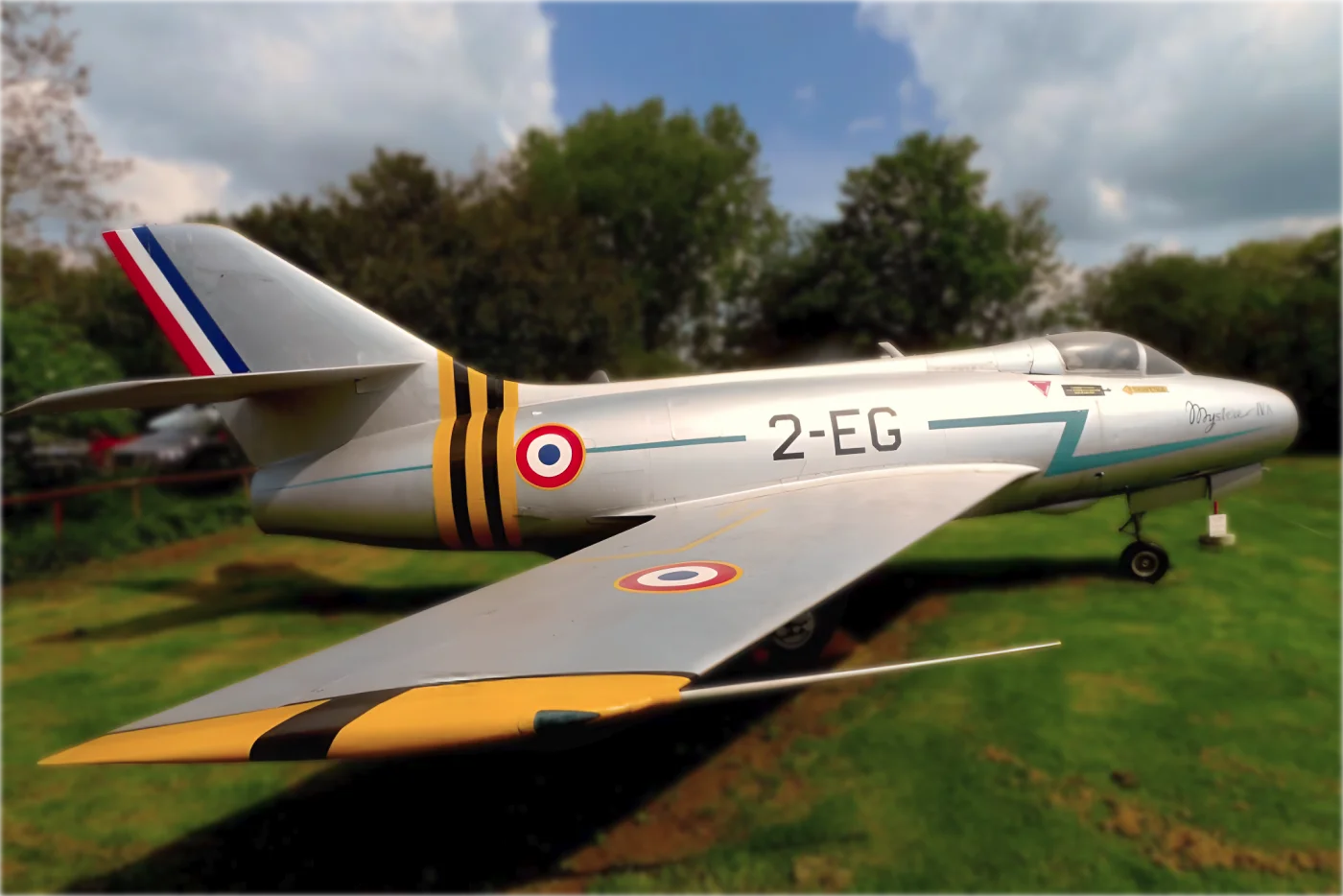
Dassault
Mystere IVA
Model No:
IVA
Registration No:
79/2-EG
79/2-EG was originally assigned to 5 Escadre de Chasse at Orange, France. It retired in 1978 and returned to RAF Sculthopre, Norfolk and was later presented to the museum on long term loan.
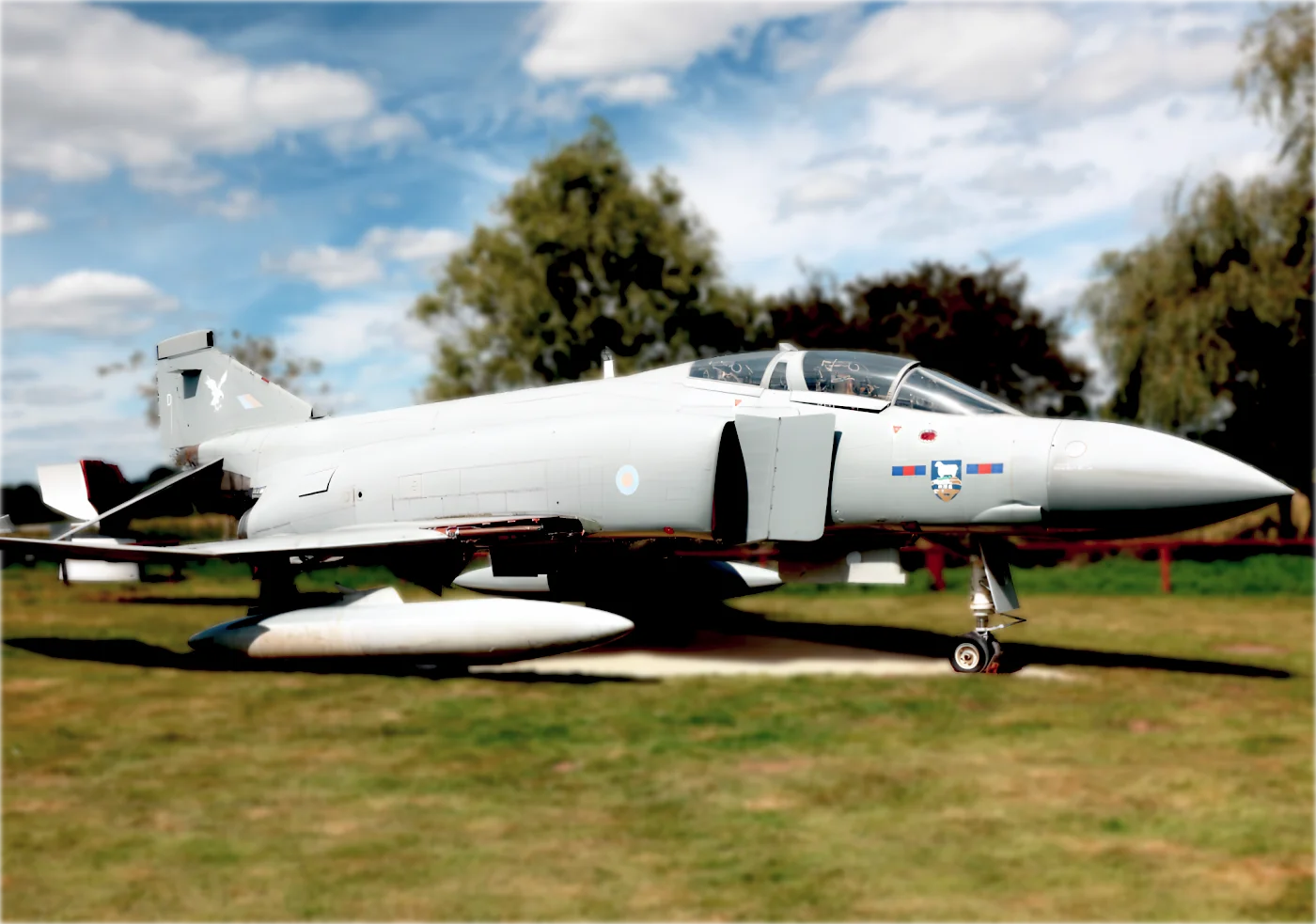
McDonnell Douglas
Phantom
Model No:
FGR.2
Registration No:
XV497
McDonnell Douglas Phantom FGR.2, serial number XV497, had a distinguished 22-year career with the Royal Air Force (RAF) from 1970 to 1992, serving in various tactical, reconnaissance, and air-defense roles including a deployment to the Falkland Islands.
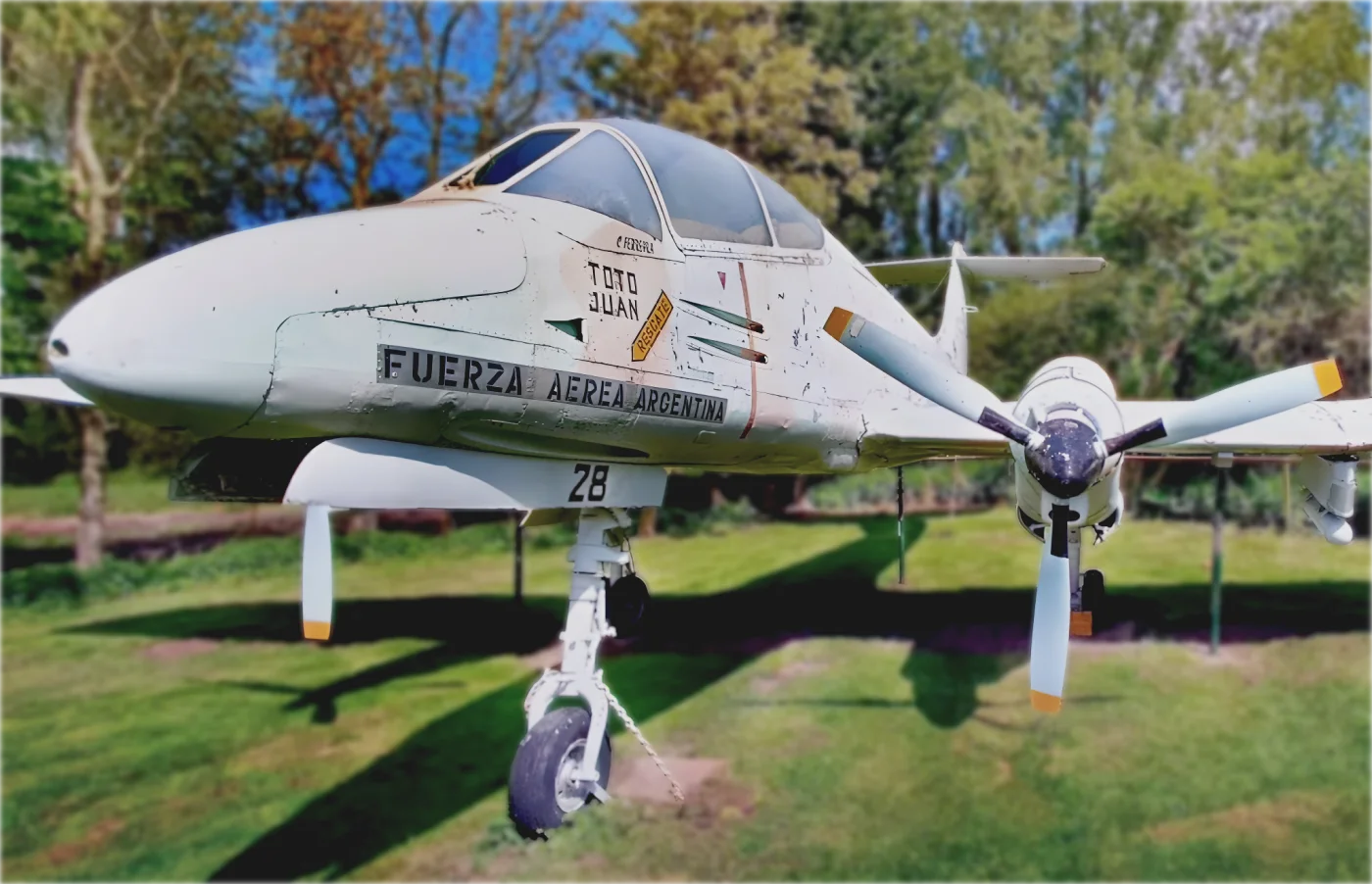
Fábrica Militar de Aviones (FMA)
Pucará
Model No:
FMA 1A-58A 'Toto Juan'
Registration No:
A-528
Built 1979, the aircraft served with the Argentine Air Force 3rd & 9th Air Brigade. During the Falklands War in 1982, It was flown by Commodore (ret.) Miguel Navarro, commander of the Pucará Airmobile squadron.
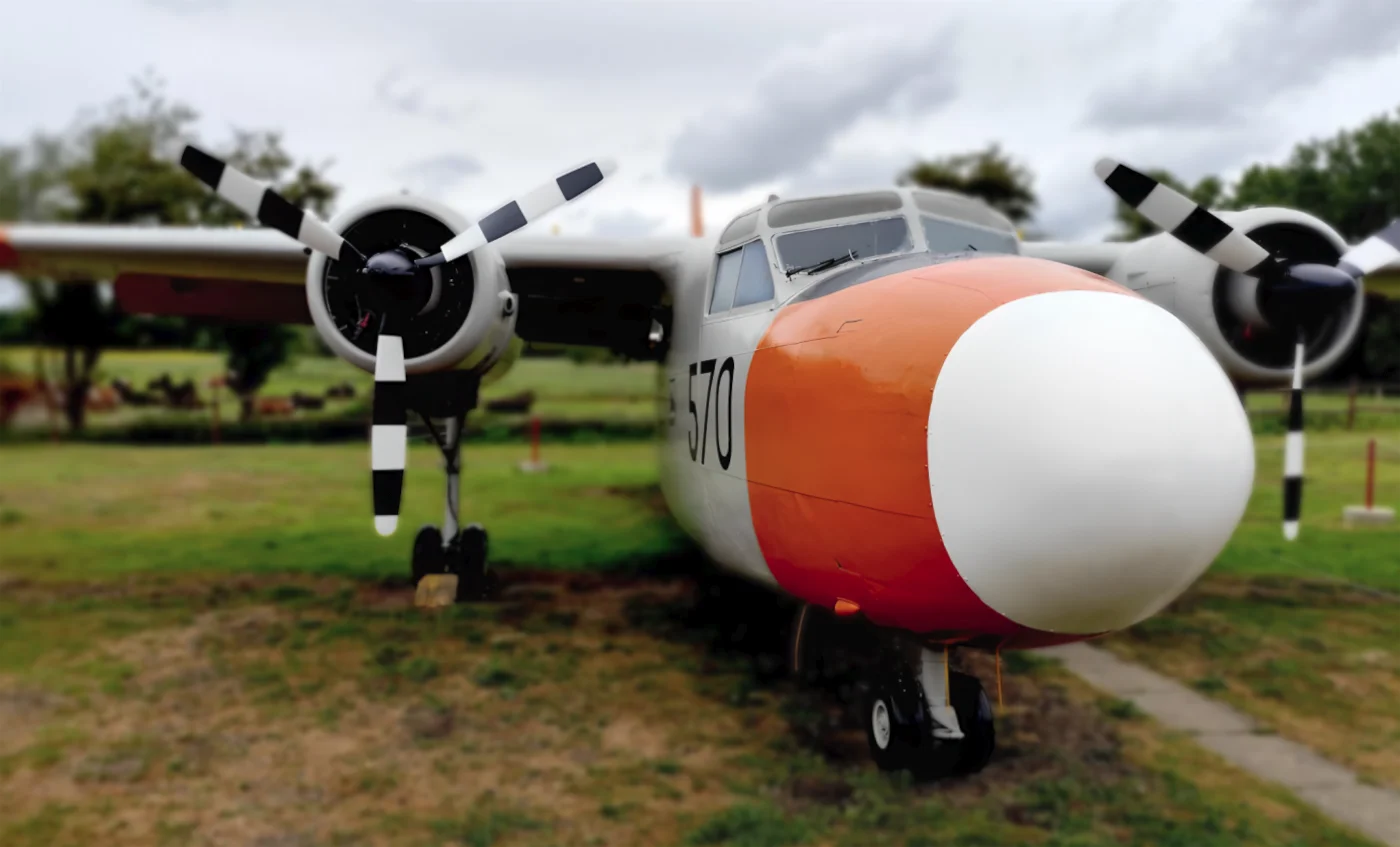
Hunting Percival
Sea Prince
Model No:
T.1
Registration No:
WF128
Sea Prince WF128 was one of the Royal Navy’s dedicated multi-engine trainers, operated by the Fleet Air Arm in the post-war period. Assigned to Royal Naval Air Station (RNAS) Culdrose, 750 Squadron, WF128 served until retirement in 1976. Later used as a maintenance airframe at RAF Honnington, WF128 arrived at the museum in 1981.
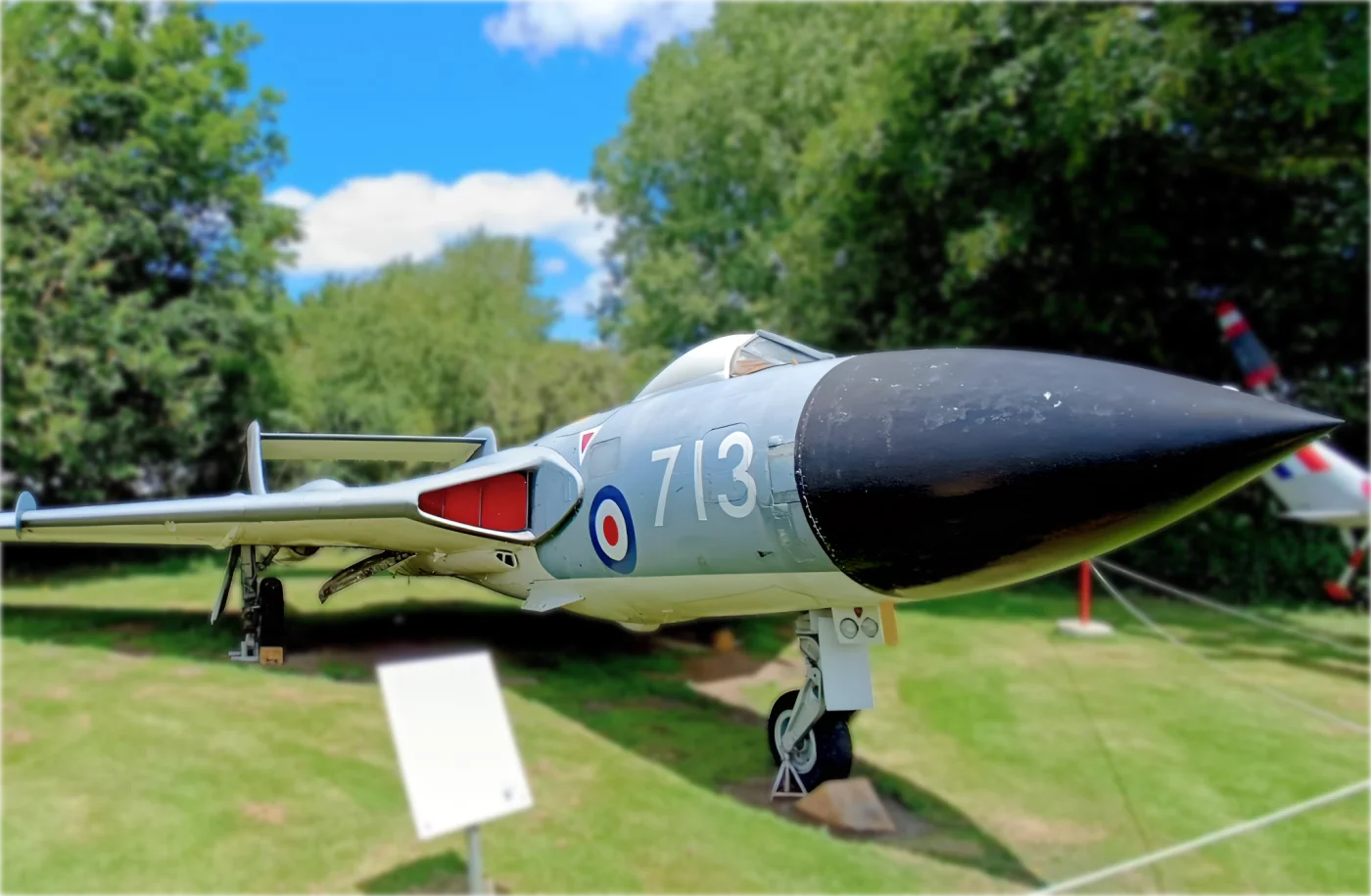
De Havilland
Sea Vixen
Model No:
FAW.1
Registration No:
XJ482
This was the ninth production aircraft built at Christchurch and went to 700Y Flight at Yeovilton in November 1958. The aircraft returned to the factory in February 1959 and was prepared for cold chamber tests, it was delivered to Vickers, then to 7668 Flight at Yeovilton. It was sometimes lead aircraft in the stations aerobatic team “Fred’s Five” until February 1967.
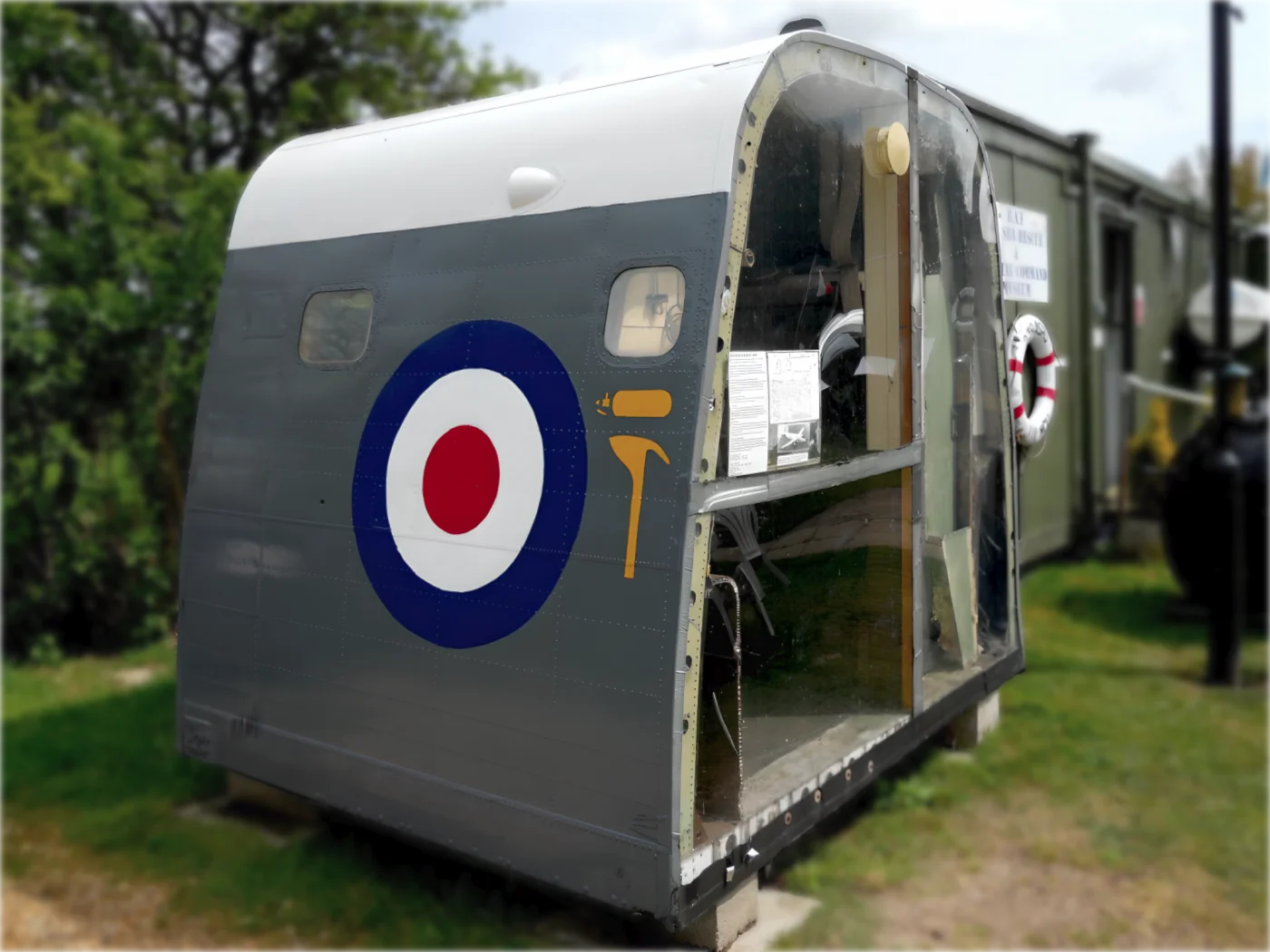
Avro
Shackleton
Model No:
MR.3/3
Registration No:
WR971
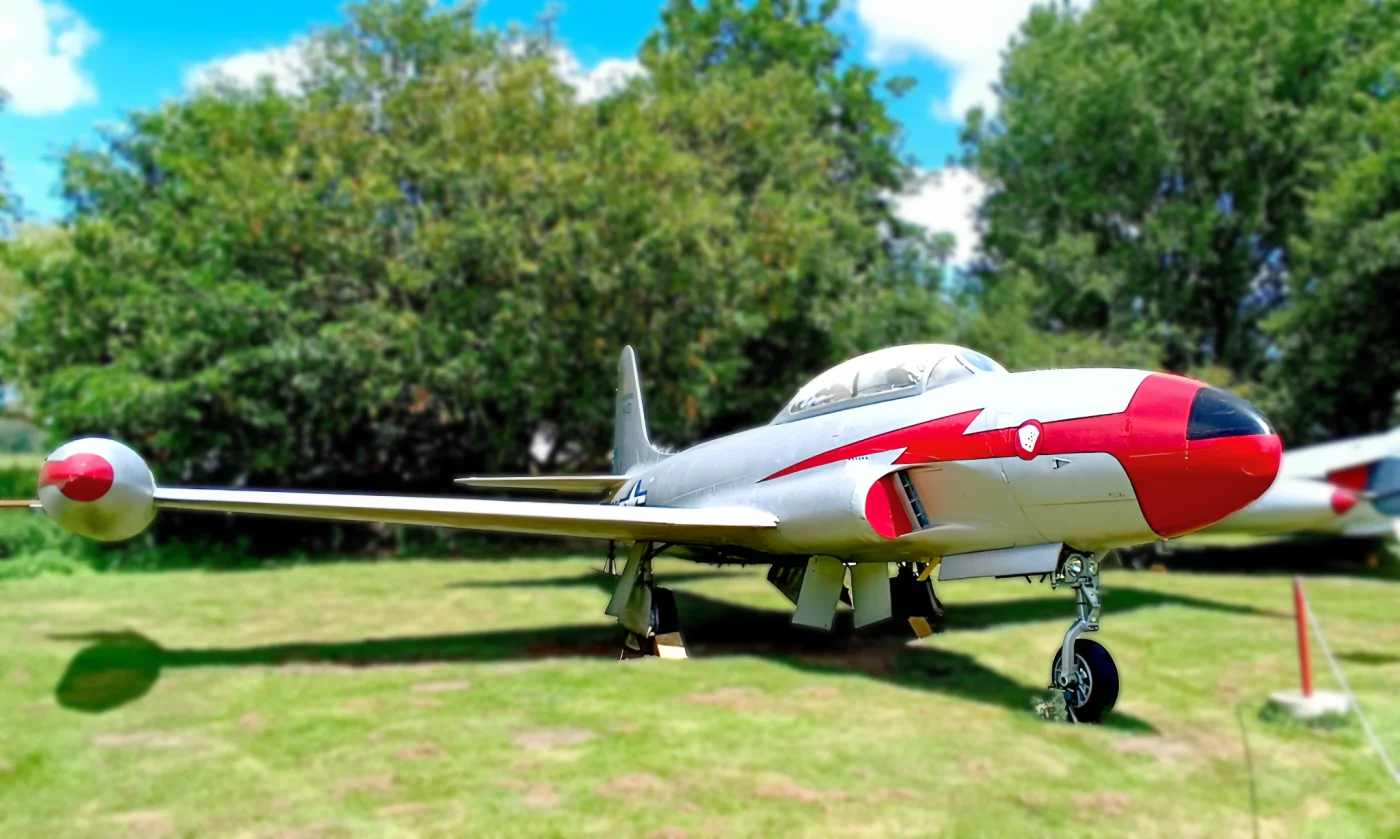
Lockheed
Shooting Star
Model No:
T33-A
Registration No:
55-443
This aircraft served with the 20th Fighter-Bomber Group (FBG) and 803rd Fighter-Bomber Group, United States Airforce. Delivered and in service mid 1950's. Under the Mutual Defense Aid Programme (MDAP) this T-33A was transferred to to the French Air Force from 1956 to 1978.
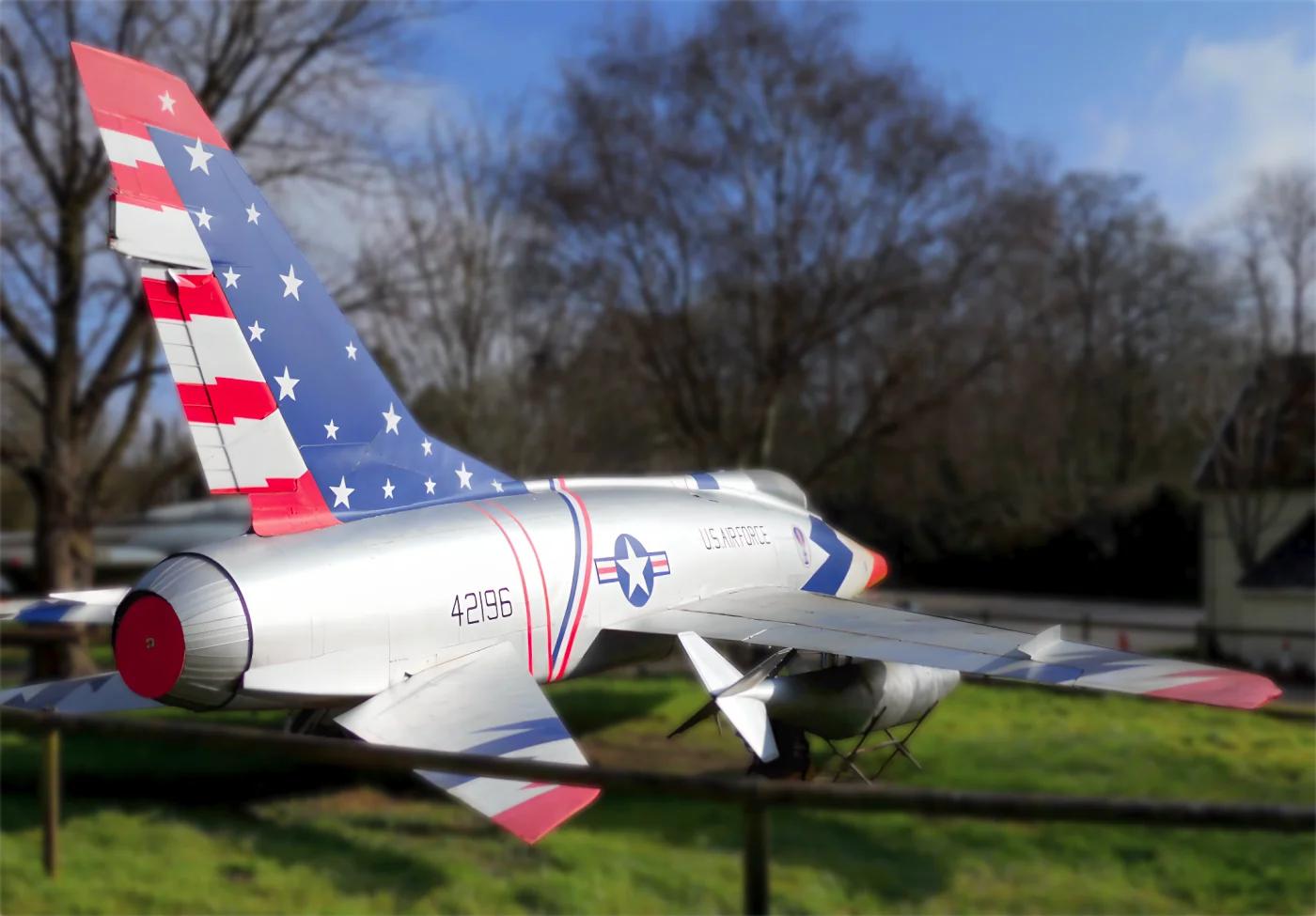
North American
Super Sabre
Model No:
F-100D
Registration No:
54-2196
This aircraft served with the USAF circa 1954 and then the French Air Force. Assigned to the 45th Day Squadron at Sidi Slimane in French Morocco, then the 48th Fighter Bomber Wing then with EC2/11 Vosges’ and then EC4/11 ‘Jura’ in Dibouti. The aircraft is displayed in the colours of the US “Skyblazers” aerobatic team, serial number 42196.
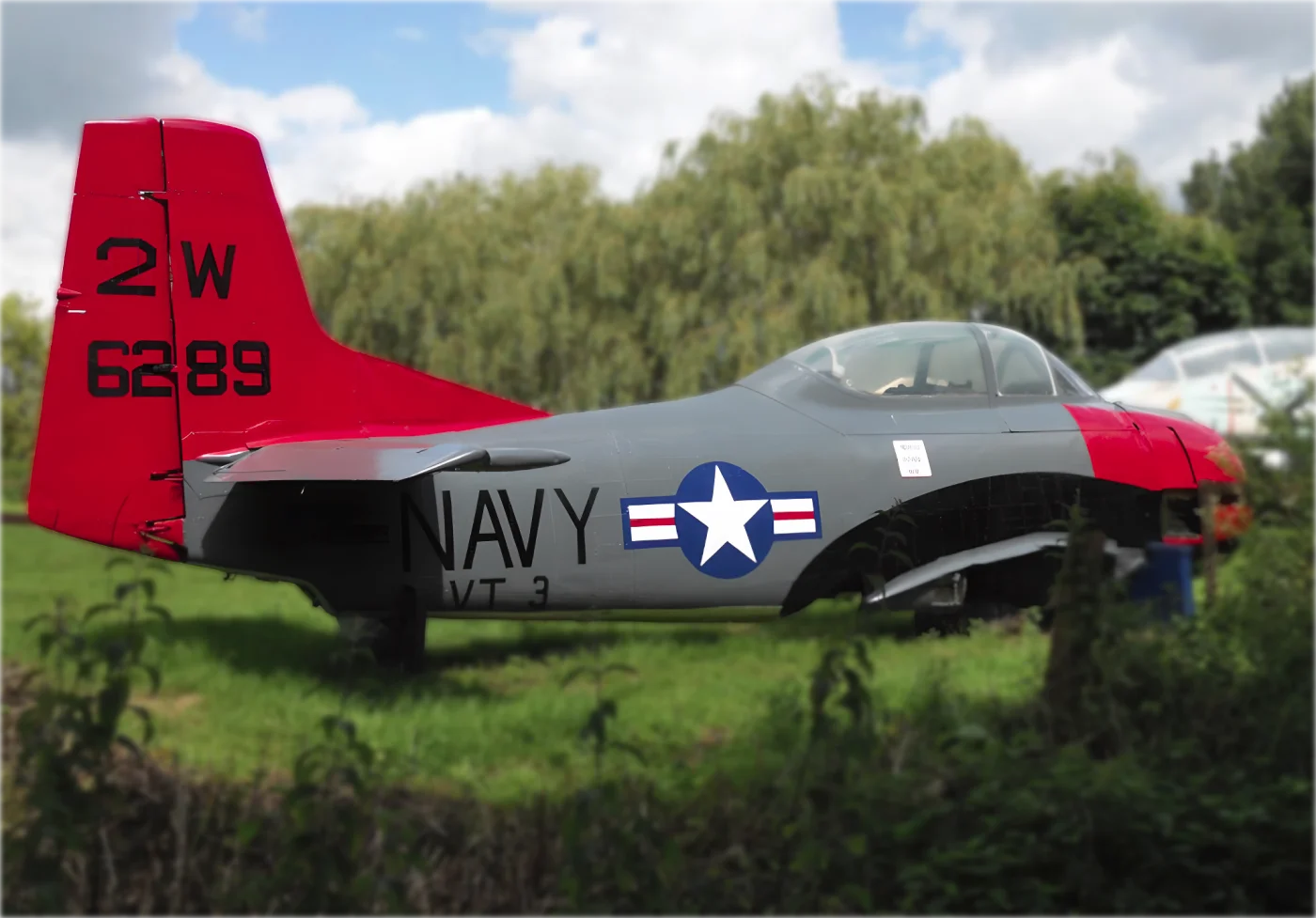
North American
Trojan
Model No:
T28C
Registration No:
14629 / FG289
T-28C BuNo 14629 began its career in 1957 with the United States Navy. It initially served in the basic carrier qualification role, providing advanced pilot instruction including carrier landing practice aboard the USS Lexington (CV-16). After retirement, the aircraft was transferred to the Congo Air Force, based in Léopoldville during the Congo Crisis employed in a light attack and counter-insurgency role. When the Congo became Zaire it was stationed at Kamina airbase taking part in combat operations.
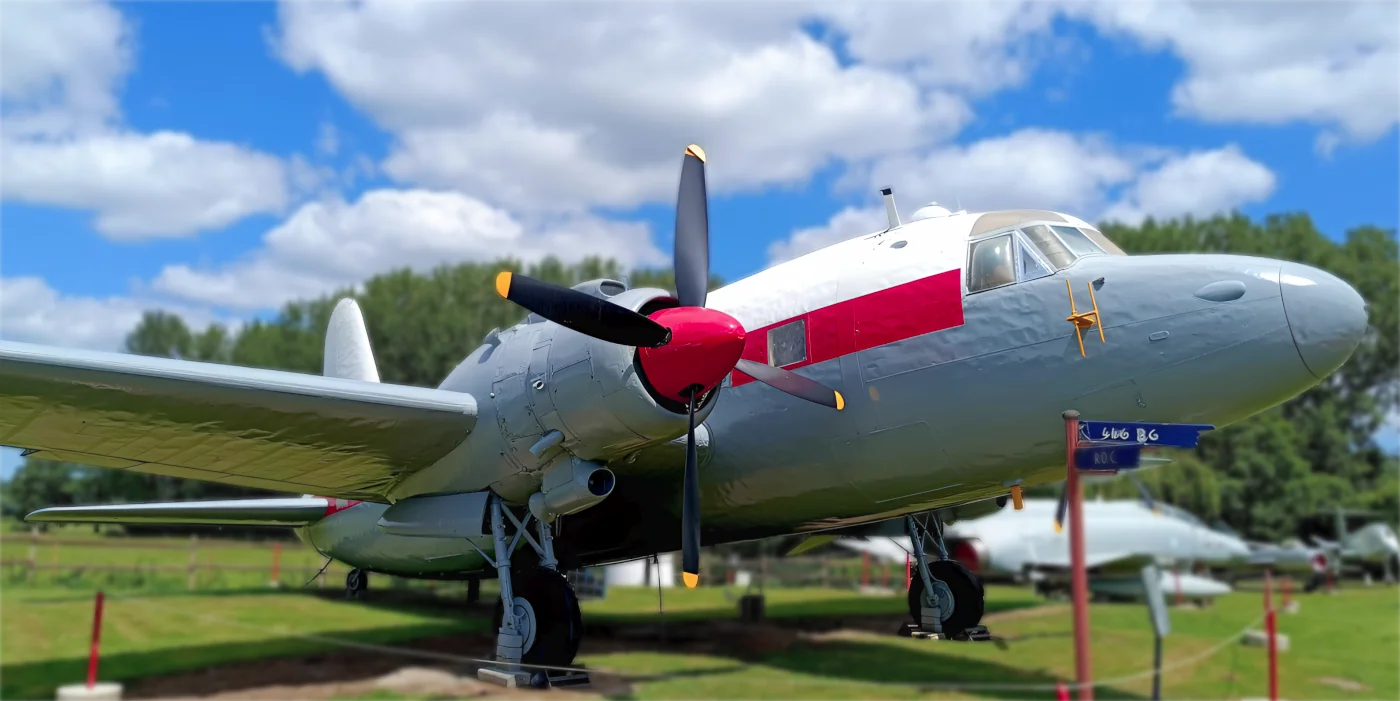
Vickers
Valetta
Model No:
C.2
Registration No:
VX580
Built in Weybridge during 1950, VX580 saw service as a VIP transport based in Malta, Egypt and Cyprus. It was retired in 1968 and arrived at the museum in 1982.
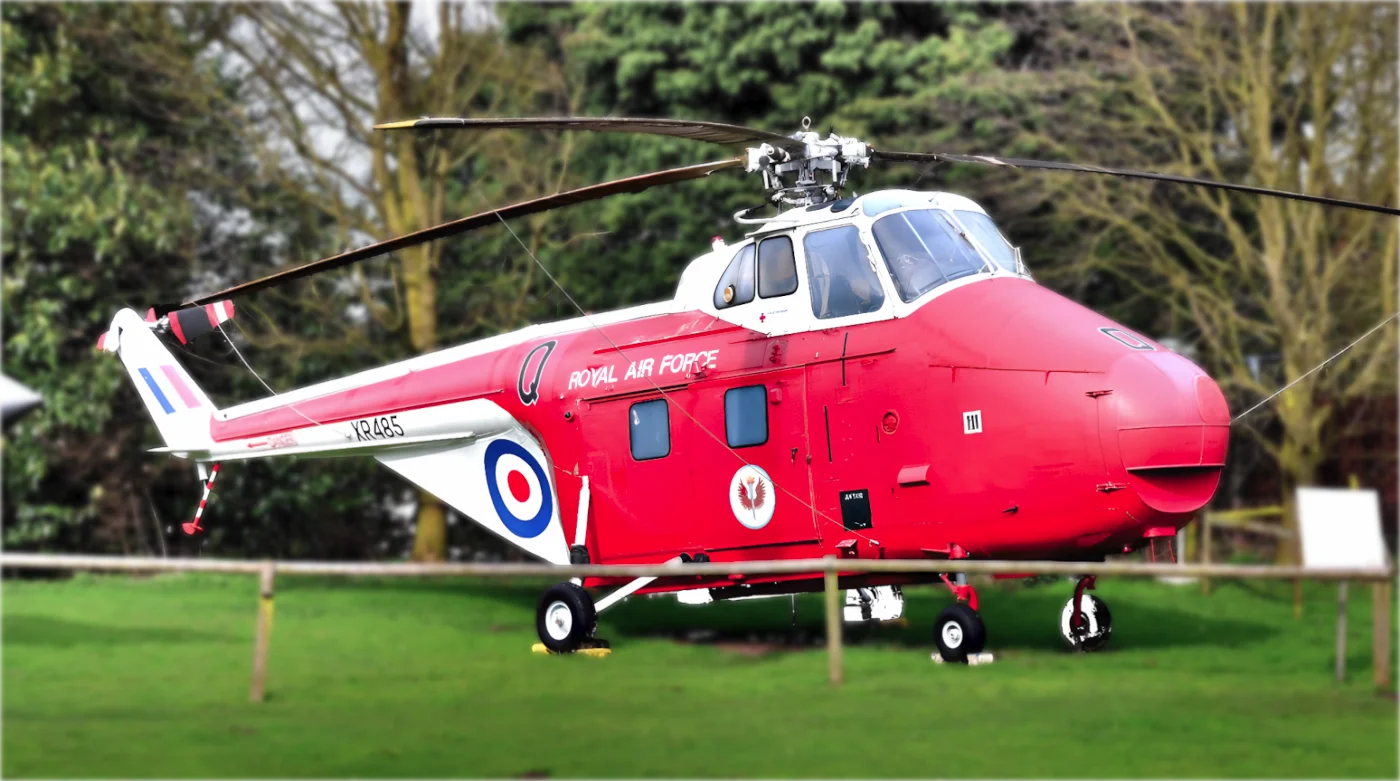
Westland
Whirlwind
Model No:
HAR.10
Registration No:
XR485
Built by Westland Aircraft, XR485 was part of the final and most capable iteration of the Whirlwind series. This aircraft made its maiden flight in May 1963 and was displayed at the 1963 París Air Show. XR485 served with the Royal Air Force in the search and rescue (SAR) role from the early 1960s through to the 1980s.