English Electric
Canberra
Mark:
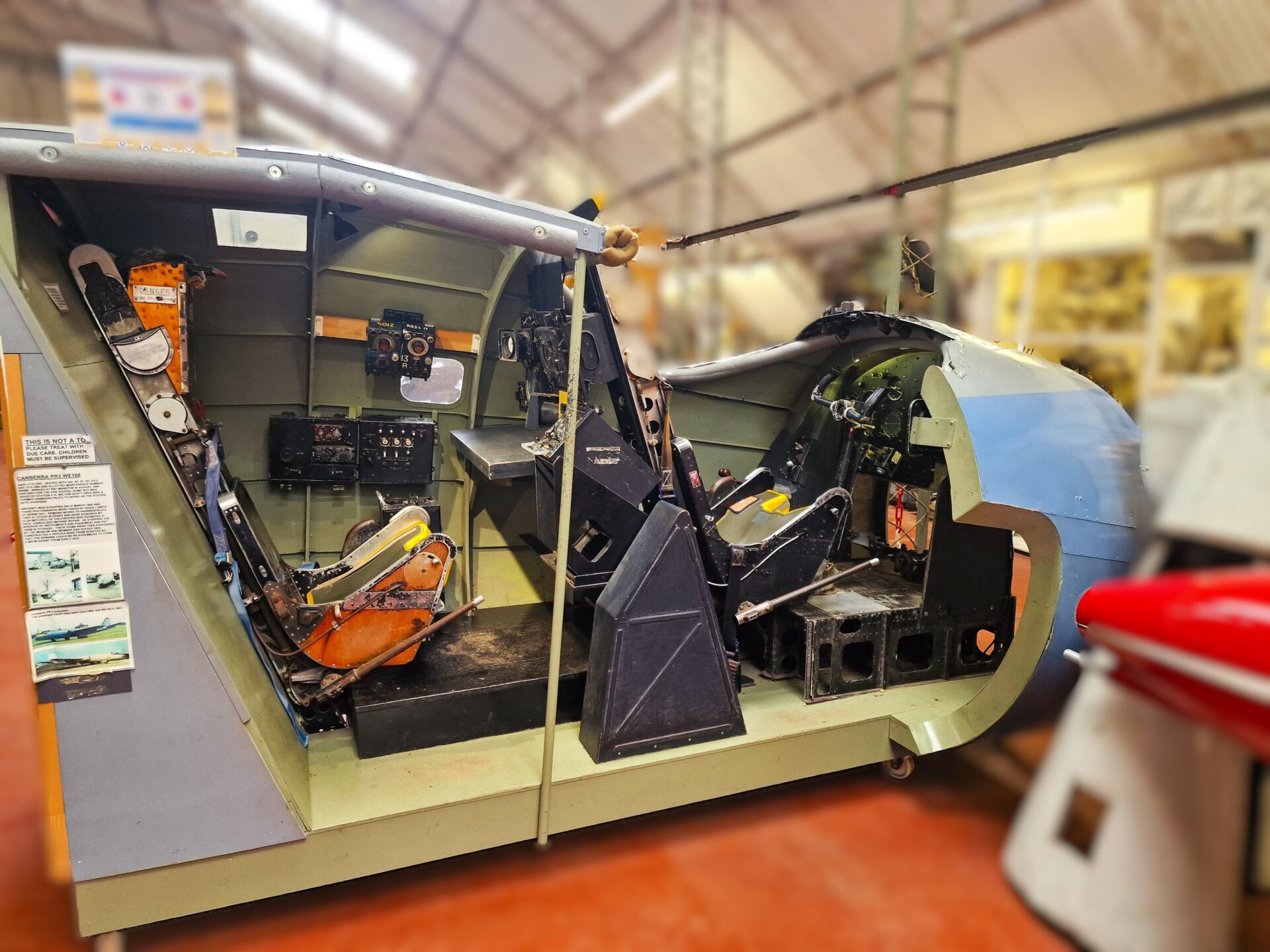
PR.3 (cockpit recreation)
Registration No:
WE168
WE168 was scrapped in 1990 and the interior stripped of instruments and equipment. The salvaged items were bought by Flixton and a replica nose built to display them.
Folland
Gnat
Mark:
T.1 (cockpit procedures trainer)
Registration No:
n/a
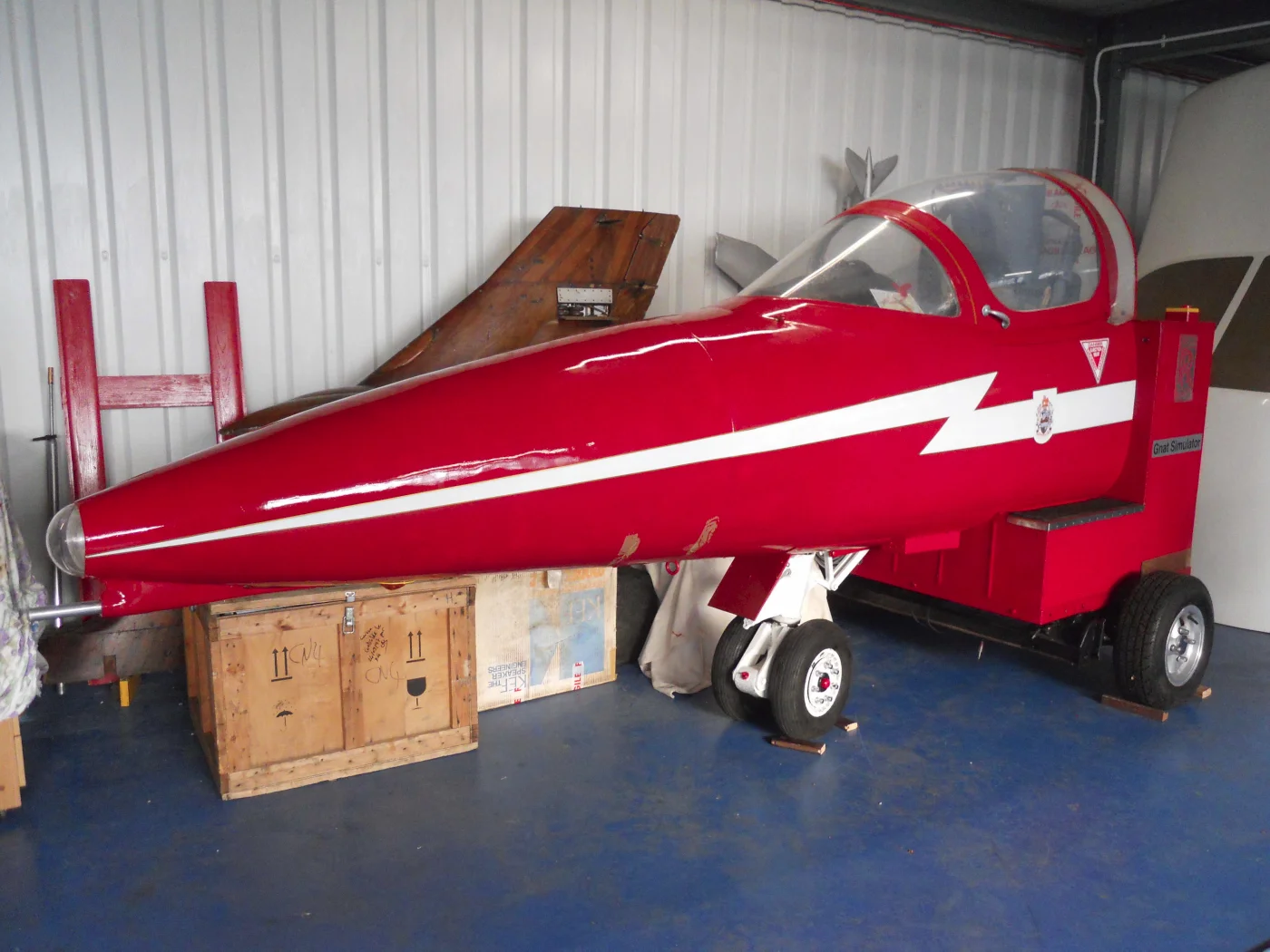
Our Gnat is a cockpit procedures trainer built by Boulton Paul to train pilots in the start up and emergency procedures. Do you think that you can start a cold war jet? This cockpit is on our aircraft tour and you can sit in the jet to get that authentic pilot experience.
Kiceniuk
Hand Glider
Mark:
II
Registration No:
n/a
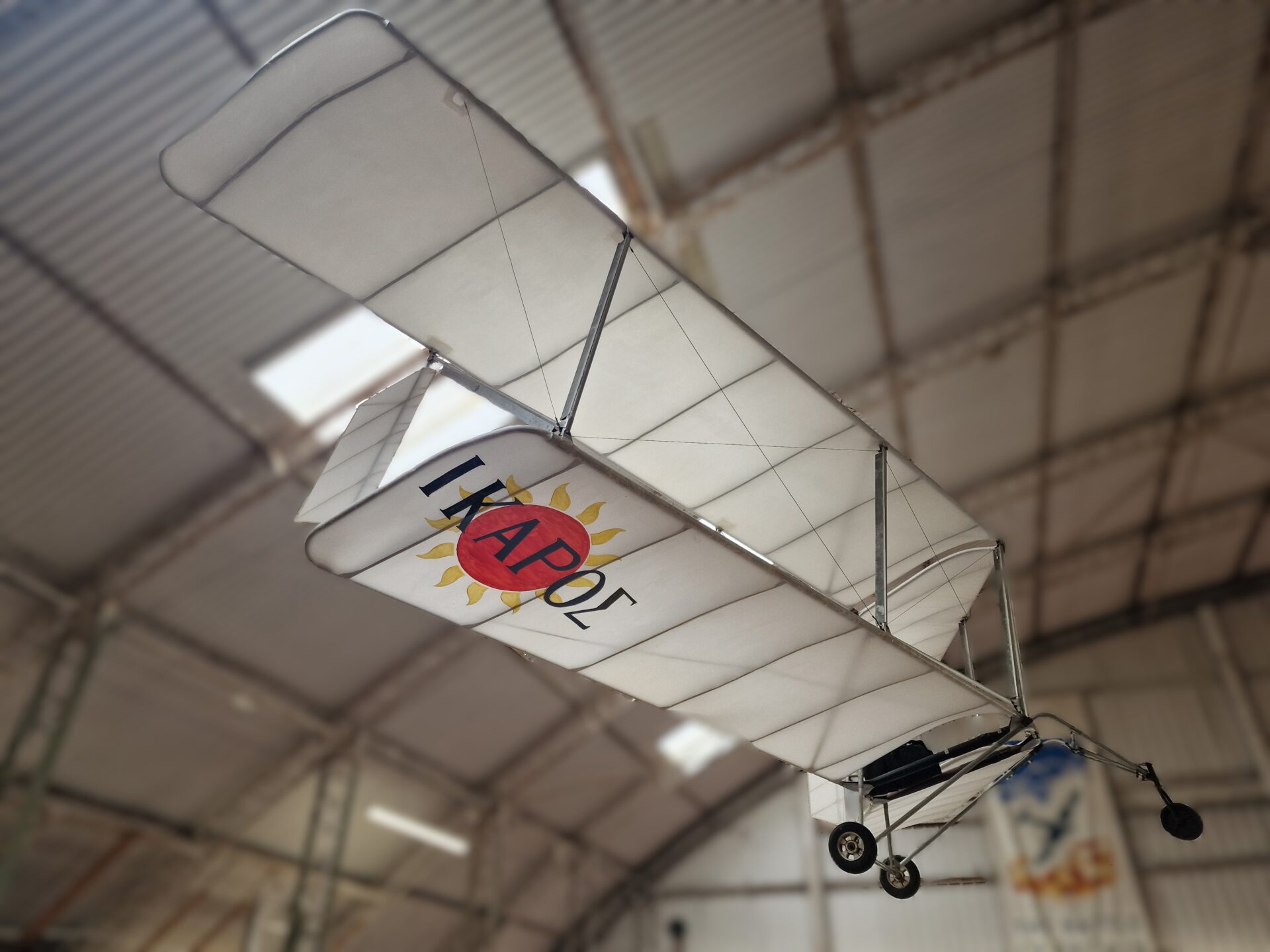
The Icarus II was a kit form hand glider from the USA in the early 1970s. Flixtons example had an engine added in 1975.
Haynes Brothers Wasp Company
Hand Glider
Mark:
4
Registration No:
n/a
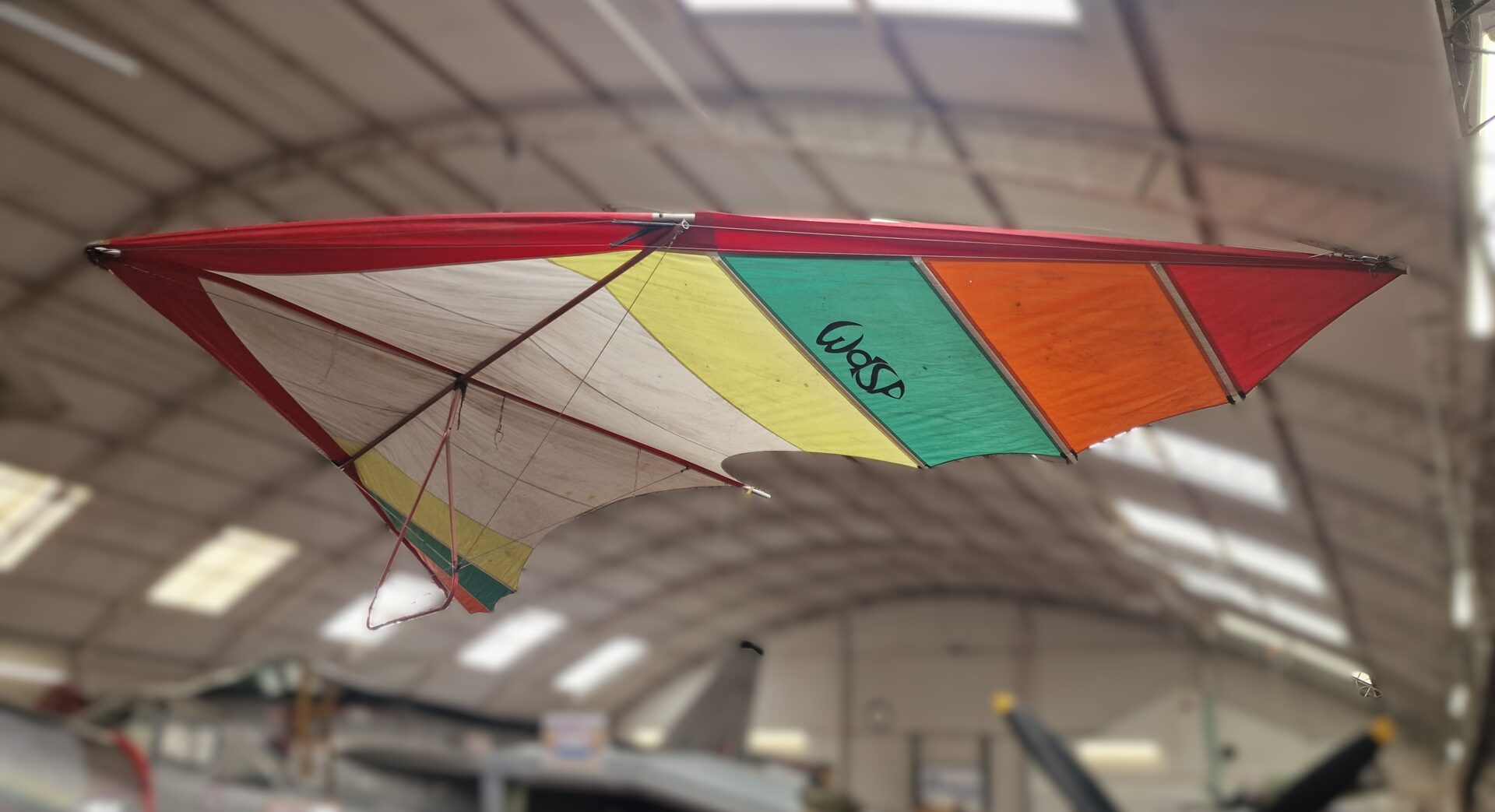
Manufactured in 1976 and 1977, this hand glider was aimed at intermediate to advanced pilots. A real competition hand glider, it was donated to the museum in 2002 by Mr. & Mrs. Hill of Southampton.
Antonov
Hang Glider
Mark:
C.14
Registration No:
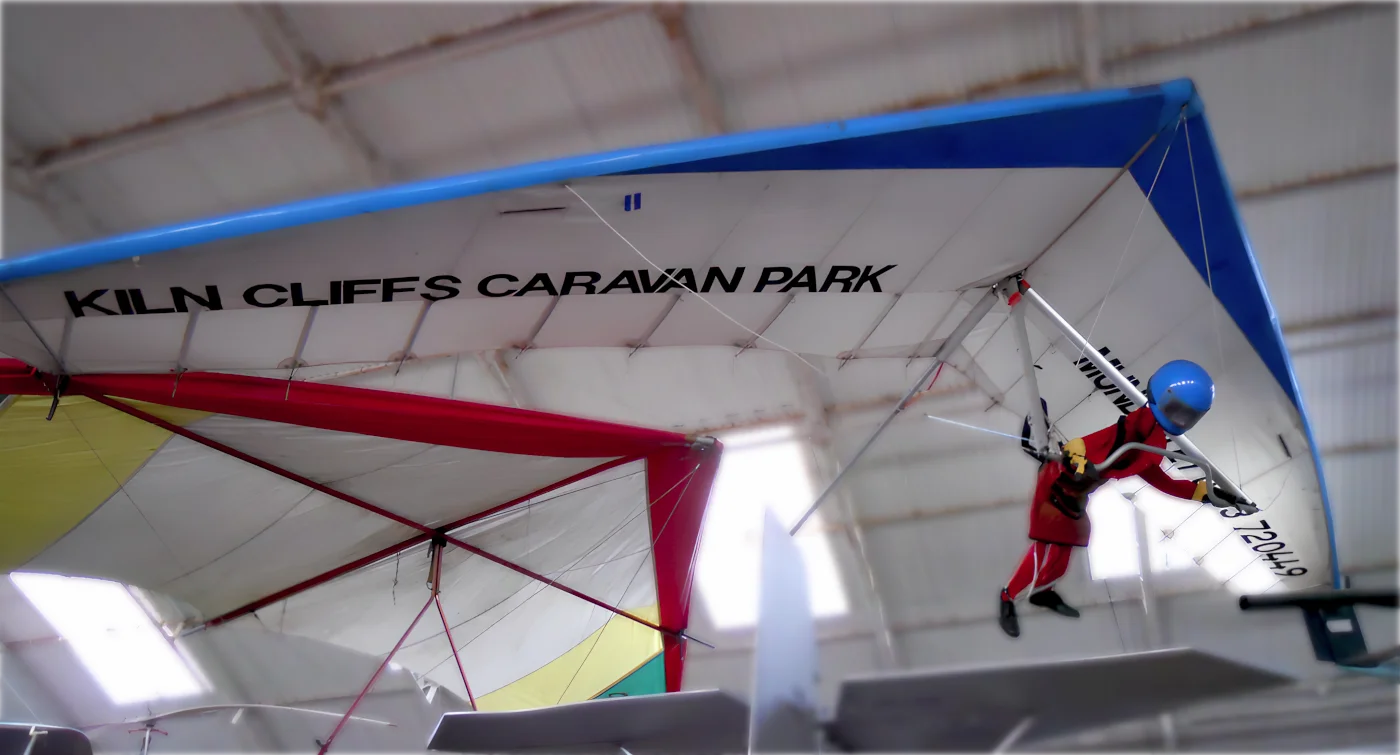
This was the first Russian hand glider in the UK when purchased in 1992 by Graeme Malone. It was bought by David McEwen in 1994 and he recorded 572 flights with the glider. In July 1995 he achieved a 5 hour 5 minute flight along the Norfolk coast and later the same month flew from Sculthorpe, Norfolk to Westhall, Suffolk, a distance of 46.73 miles. Last flight was in October 2001 after which it was donated to the museum.
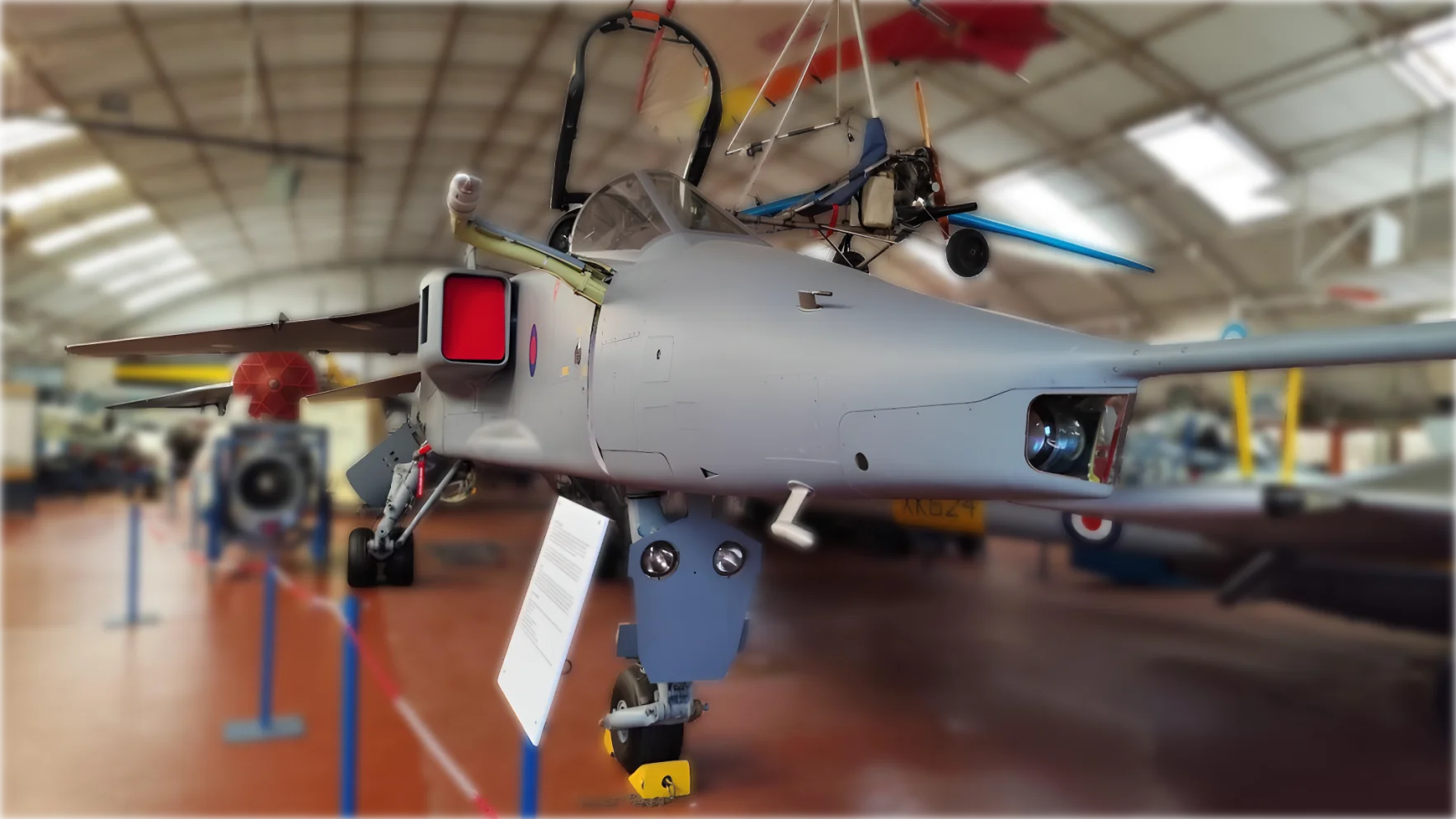
SEPECAT
Jaguar
Mark:
GR.1B
Registration No:
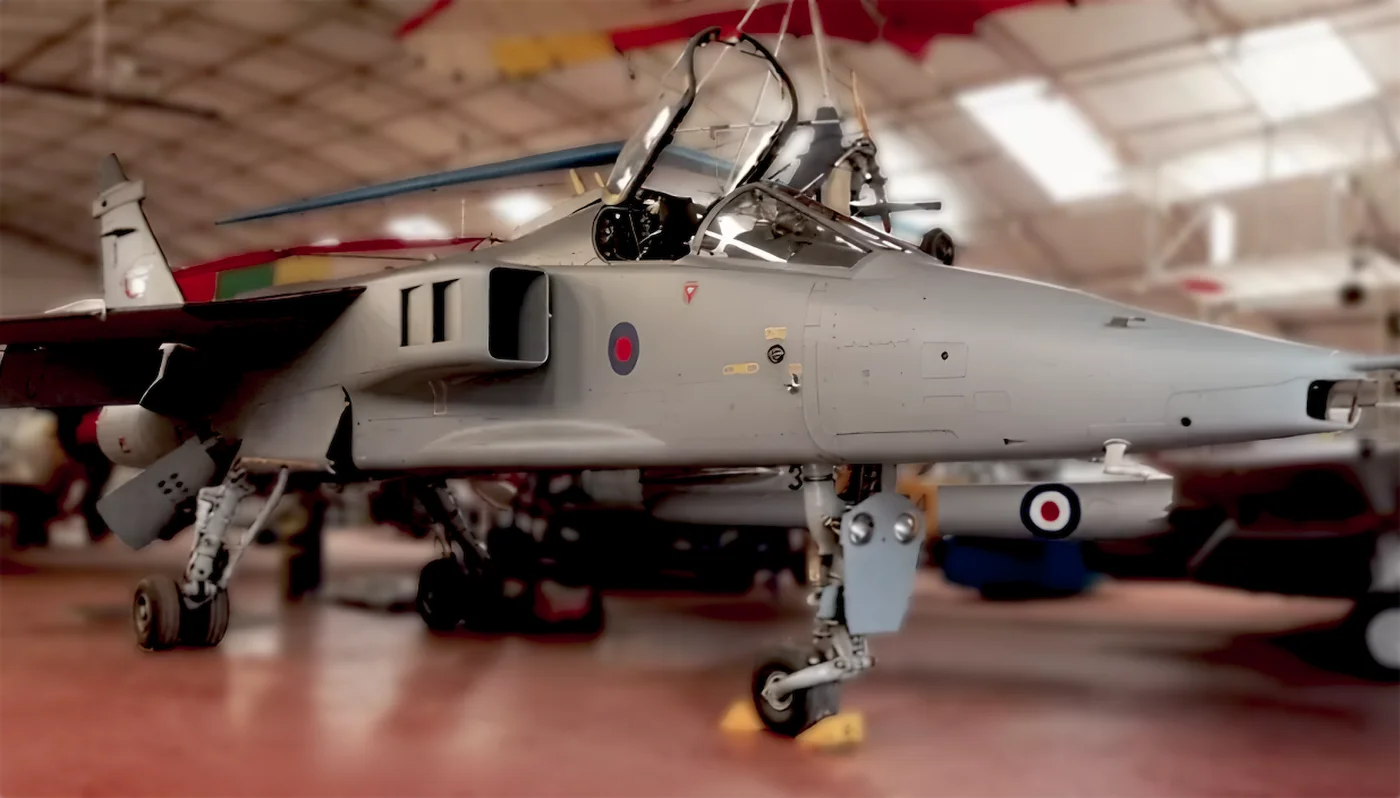
XX108
Our SEPECAT Jaguar XX108, the first production GR.1, first flew on October 12, 1972, and served as a key trials and international demonstrator airframe rather than in front-line squadrons. Used for weapons clearance, it appeared at the 1974 Farnborough and 1979 Paris Air Shows, later being upgraded to GR.1B.
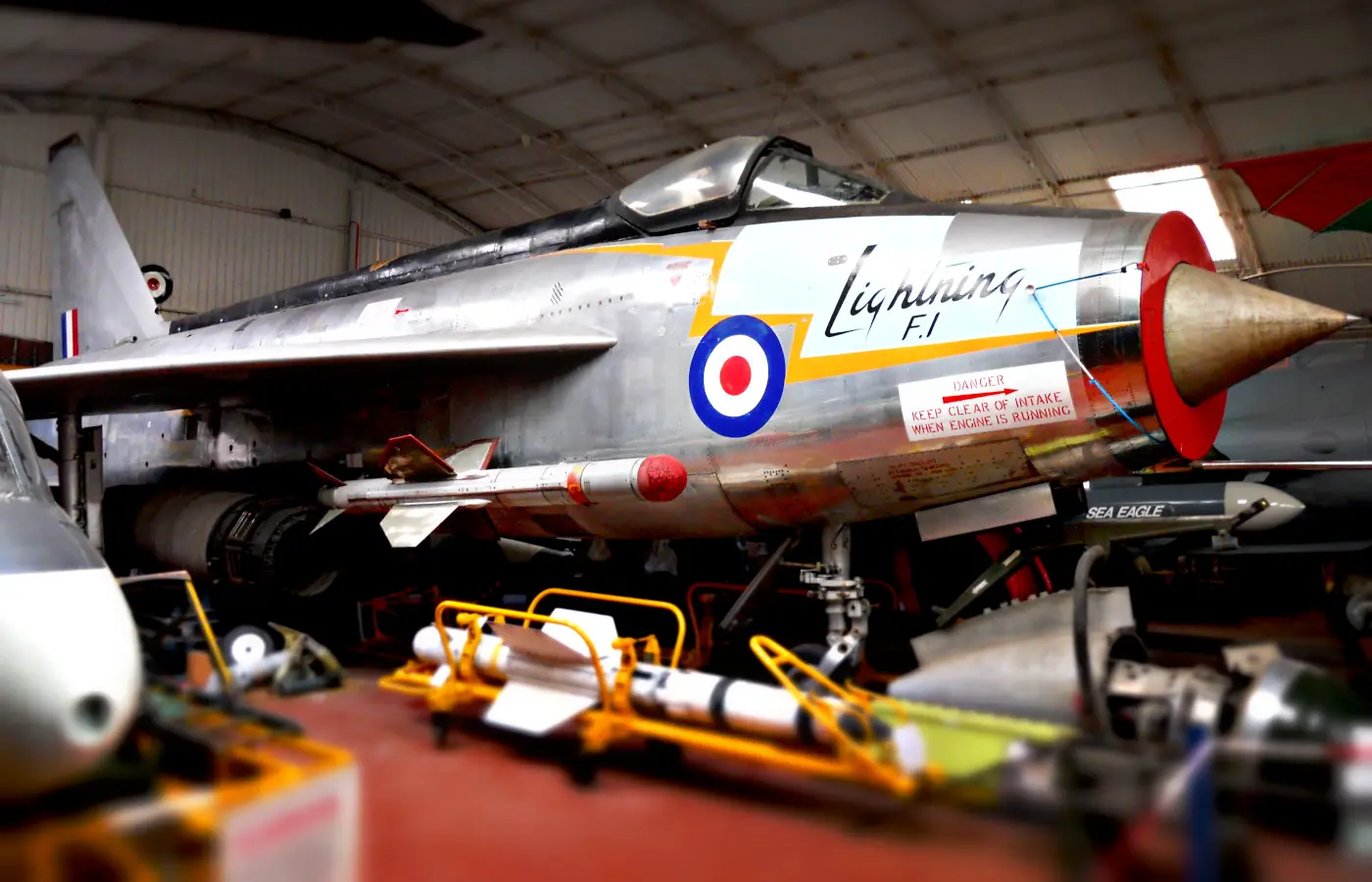
English Electric
Lightning
Mark:
DB/F.1
Registration No:
XG329
English Electric Lightning XG329 is a significant P.1B development aircraft, first flown in April, 1959. Used extensively for trials (cannon, missiles, and F.3 fins). At Boscombe Down, XG329 served as a TSR.2 chase plane. Retired in 1970. The airframe was bought by Flixton's former Chairman, Ian Hancock, in 1990 and moved to Flixton for display.
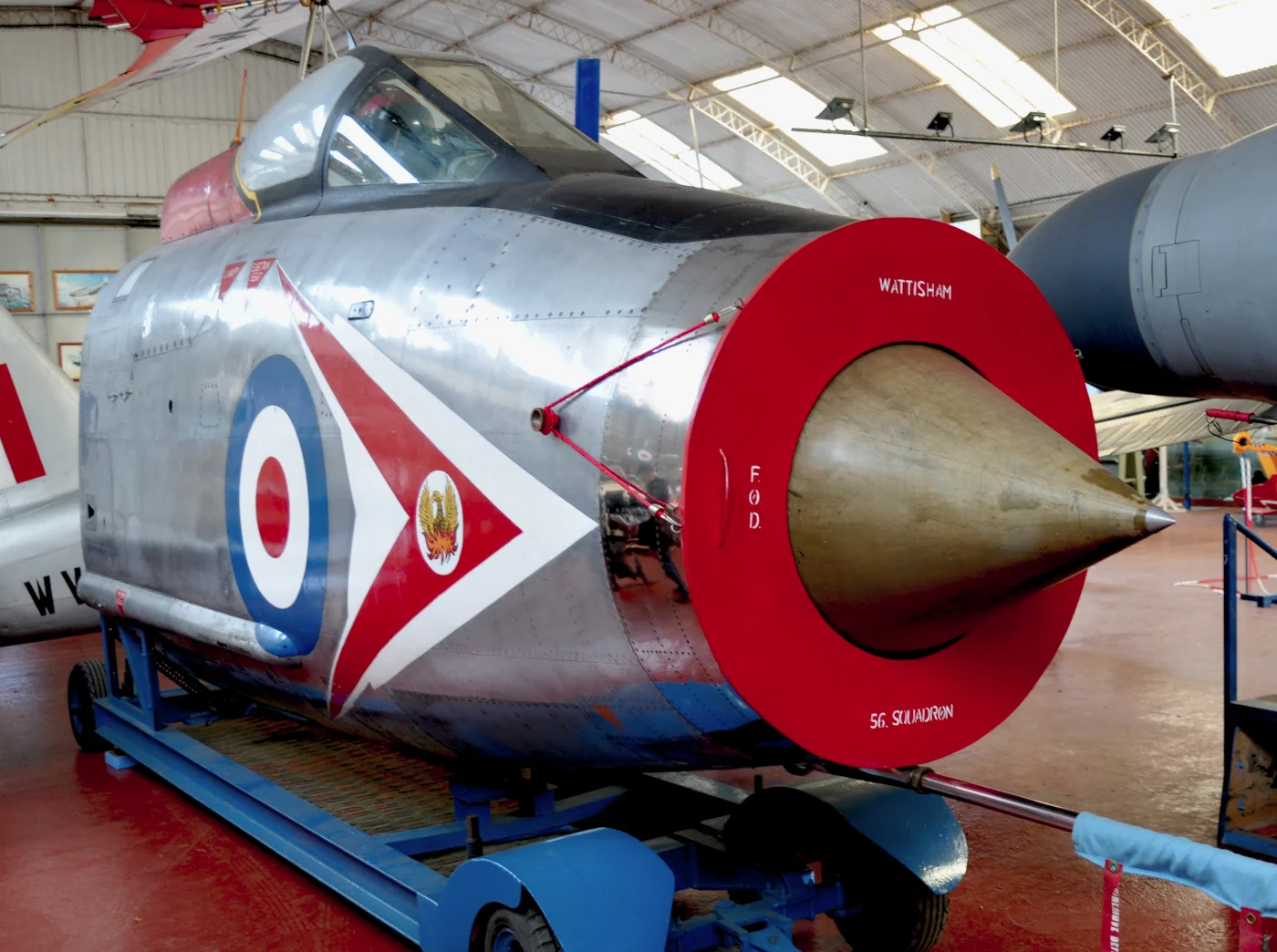
English Electric
Lightning
Mark:
F.3
Registration No:
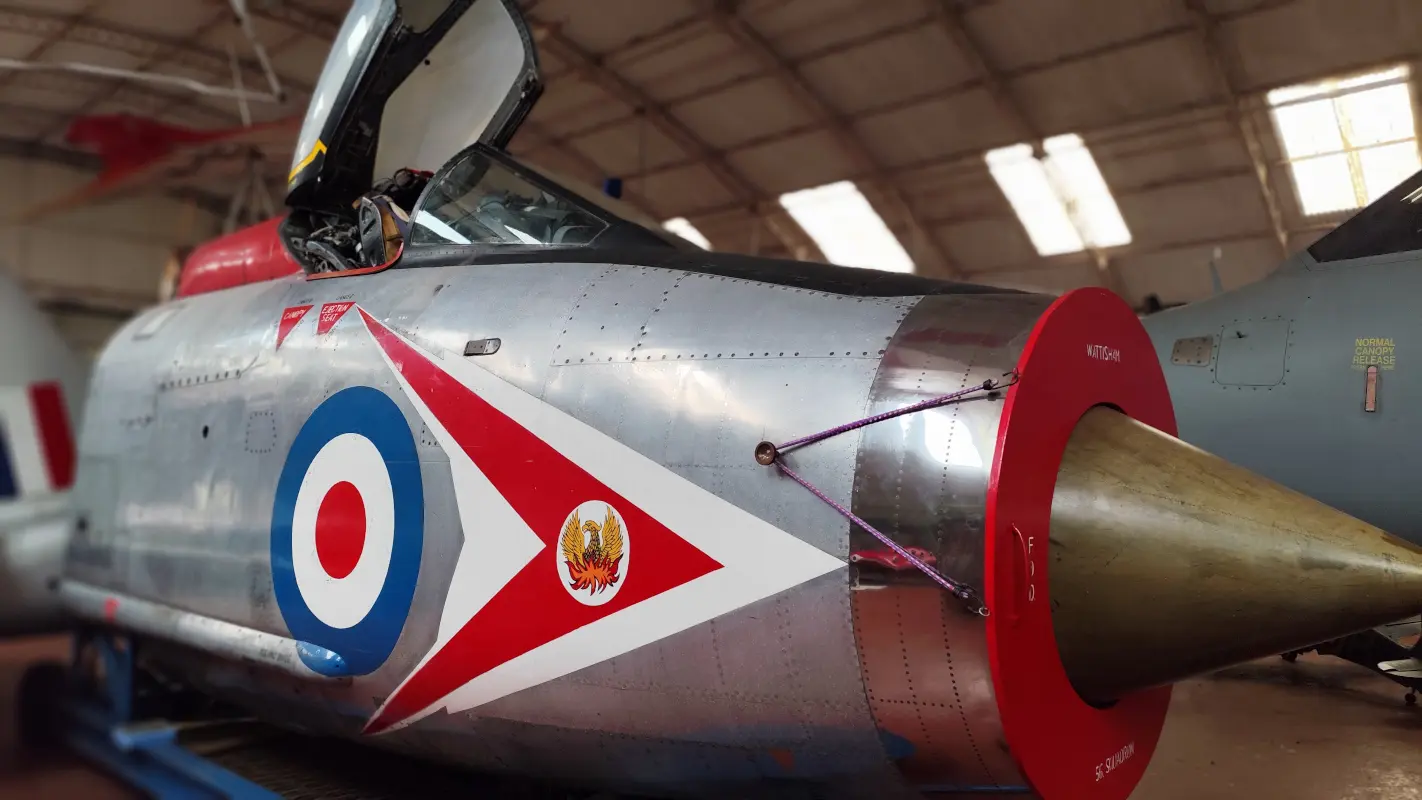
XP473
This aircraft, XP743 flew with several RAF Squadrons including 56 Squadron from RAF Wattisham in whose colopurs it is displayed. The cockpit section is almost complete and we are sourcing more instruments and controls regularly.
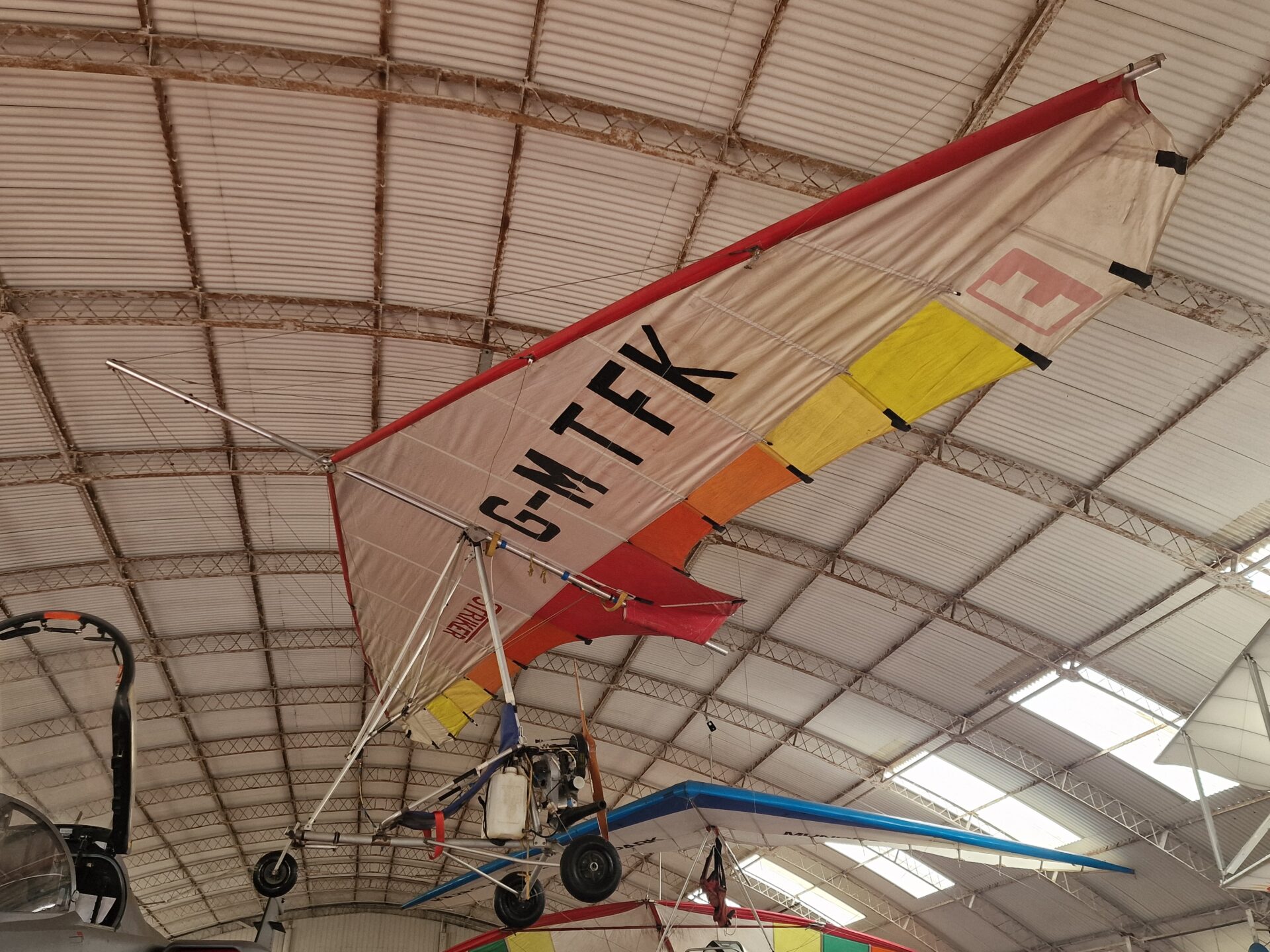
Solo
Microlight
Mark:
n/a
Registration No:
G-MTFK
Solo Striker/ Flexiform Microlight was a home built 250cc microlight. This example was the last aircraft to take off from Flixton airfield, piloted by Mr D. Moult.
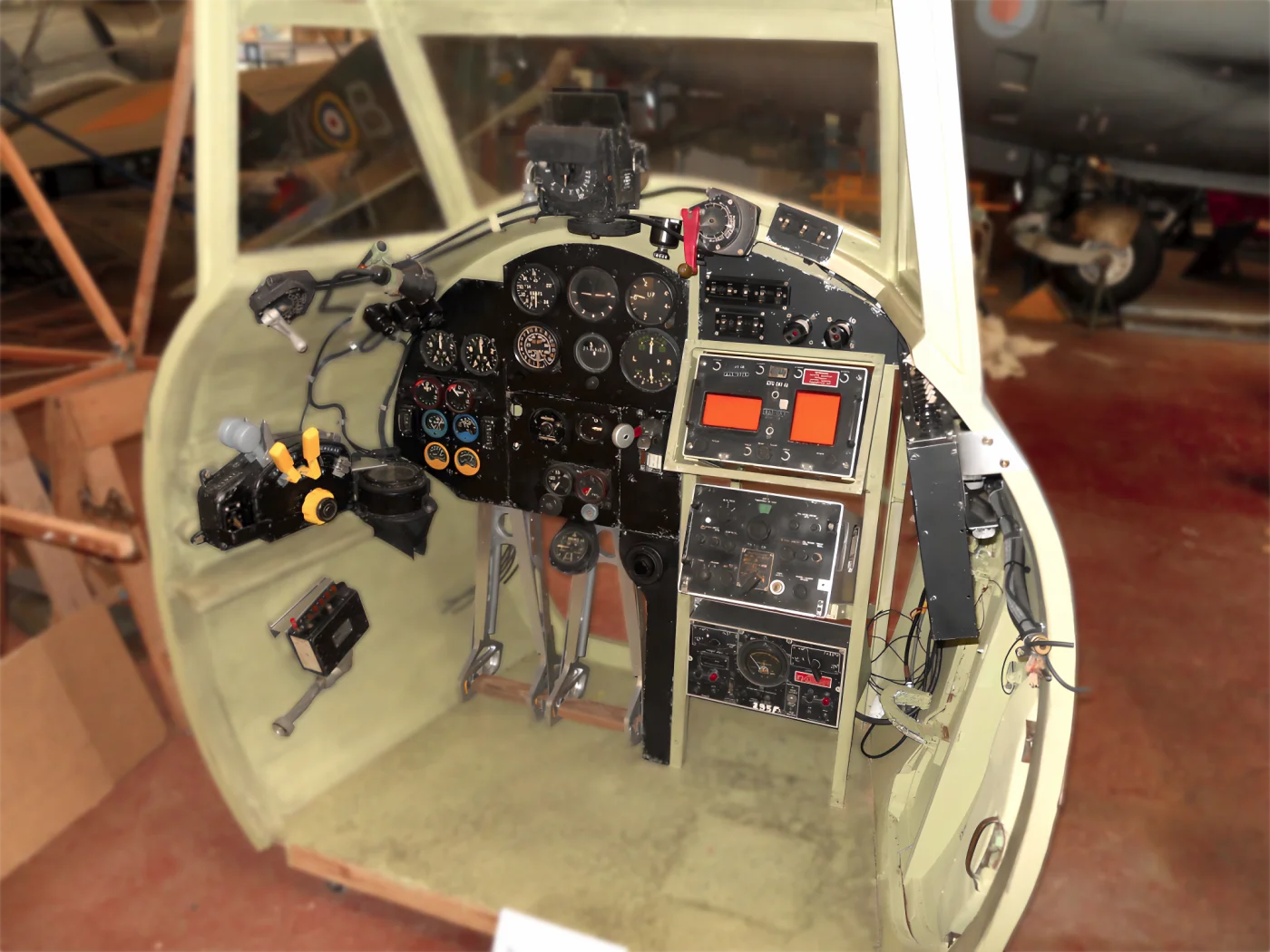
De Havilland
Mosquito
Mark:
NF
Registration No:
This is a mock up containing mostly original equipment to represent a night fighter / intruder variant of the Mosquito.
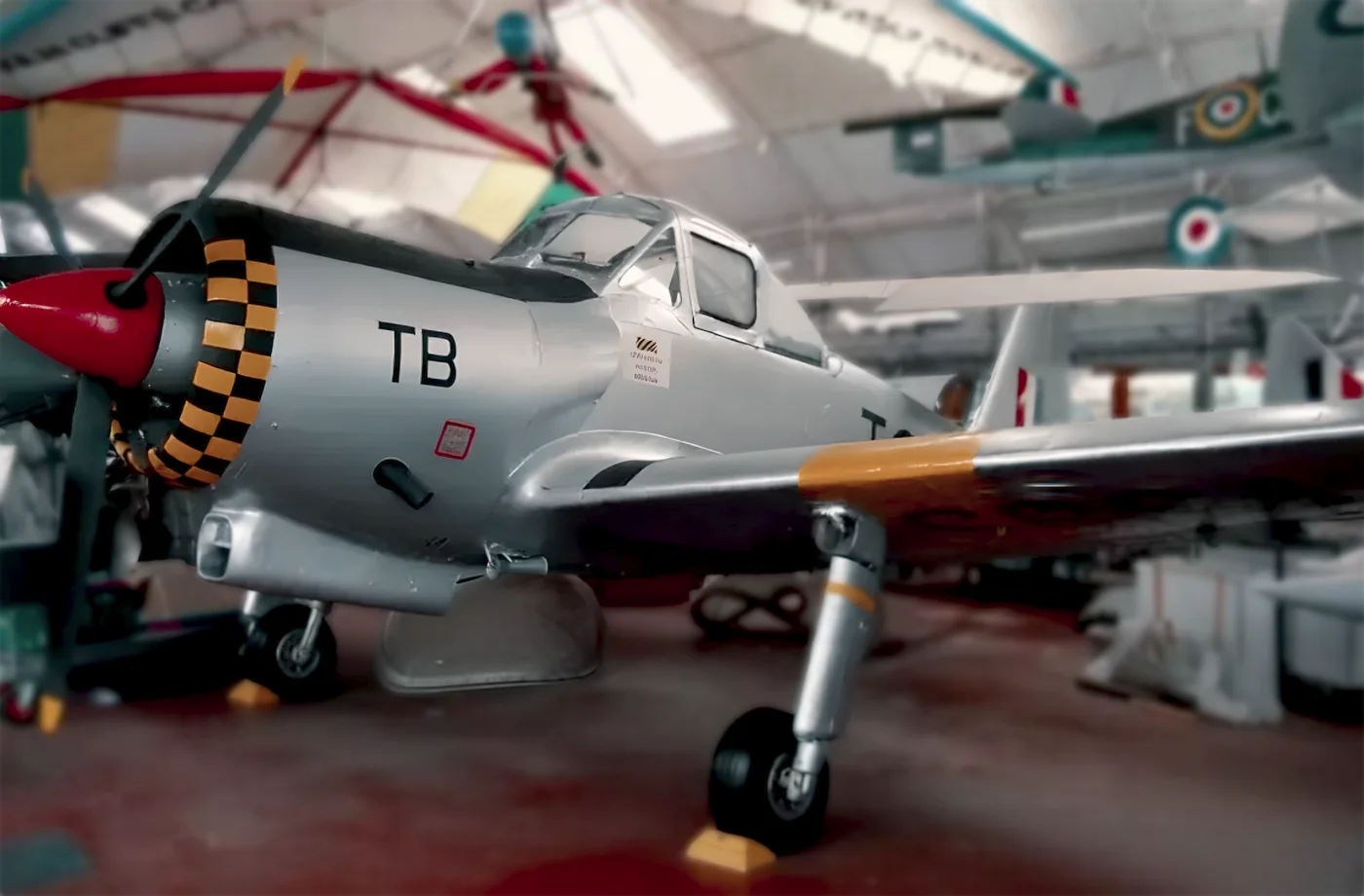
Percival
Provost
Mark:
T.1
Registration No:
WV605
Percival Provost T.1 WV605 is a preserved Royal Air Force basic trainer, manufactured in the early 1950s. WV605 represents the final piston-engined trainer used by the RAF. It served as a standard basic trainer for the RAF from 1953 until being phased out by 1961. The Provost was a key aircraft in the 1950s, replacing the Percival Prentice and paving the way for the Jet Provost.
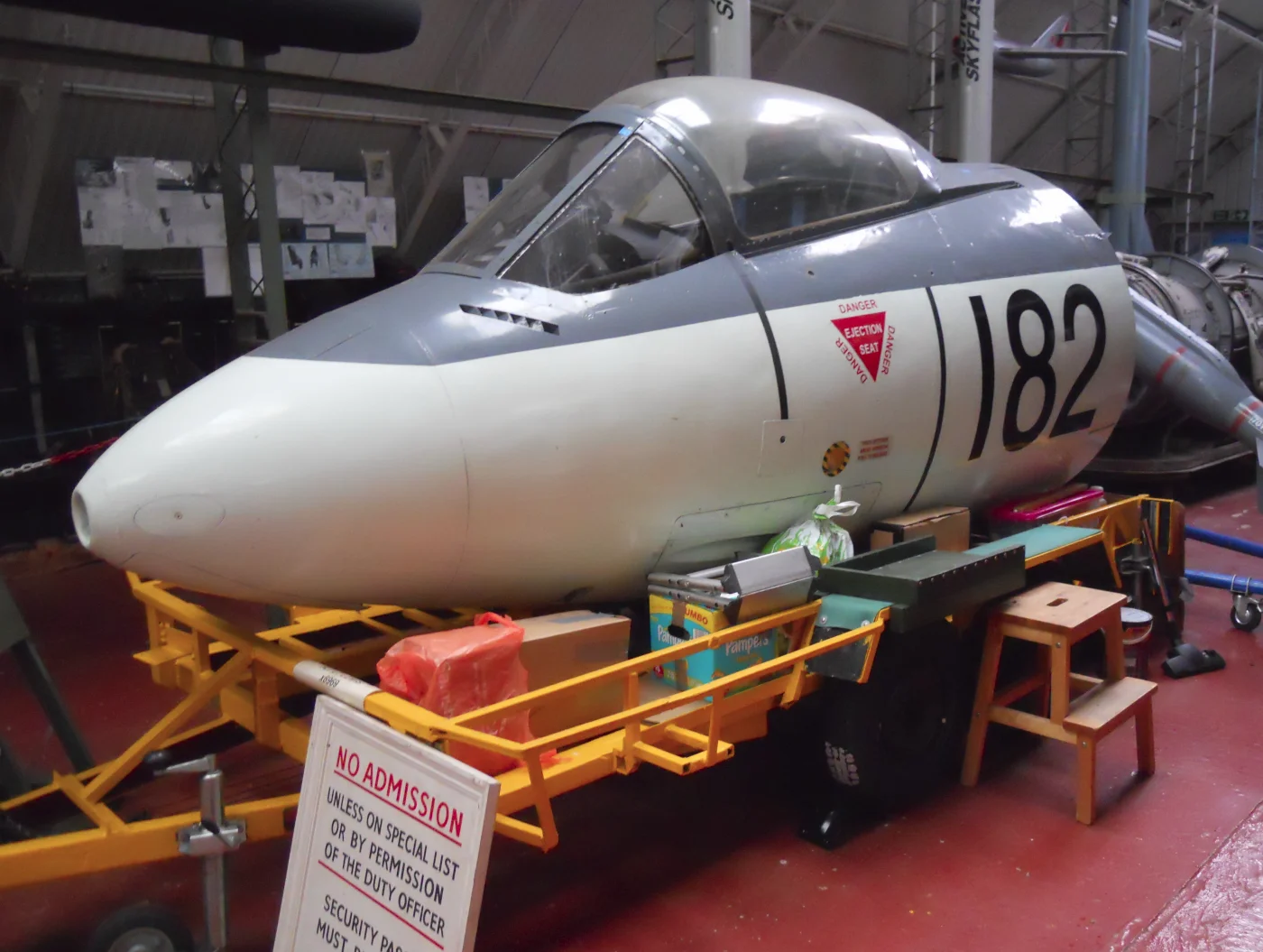
Hawker
Sea Hawk
Mark:
FGA.6
Registration No:
WV838
The Sea Hawk was used by the Fleet Air Arm in the early cold war period. Many similarities can be seen with Hawker’s later Hunter used by the RAF.
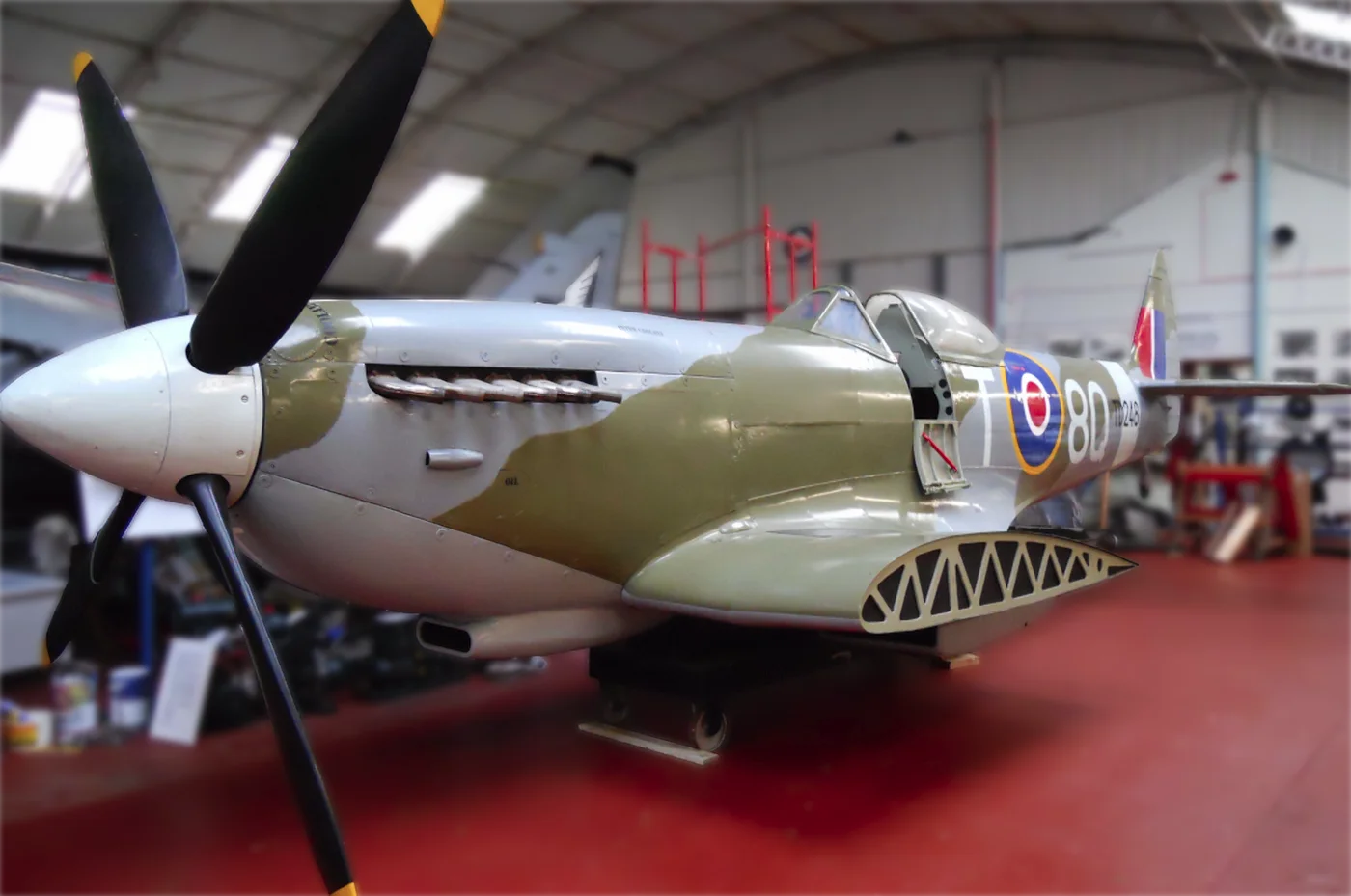
Vickers Supermarine
Spitfire
Mark:
LFXVIe
Registration No:
TD248
In July 1945, TD248 joined 695 Squadron on anti-aircraft co-operation duties at Bircham Newton, Norfolk, moving to nearby Horsham St Faith in August 1945. Retired in May 1954 it was transferred to 610 Squadron RAuxAF at Hooton Park, Cheshire as a parade quardian. TD248 was one of five Spitfires released to Historic Flying Ltd. in 1988 by the MOD. TD248 was reskinned and rebuilt to full flying condition. The example at Flixton is the original skin and components of TD248 after it had been declared a, "non-effective airframe".
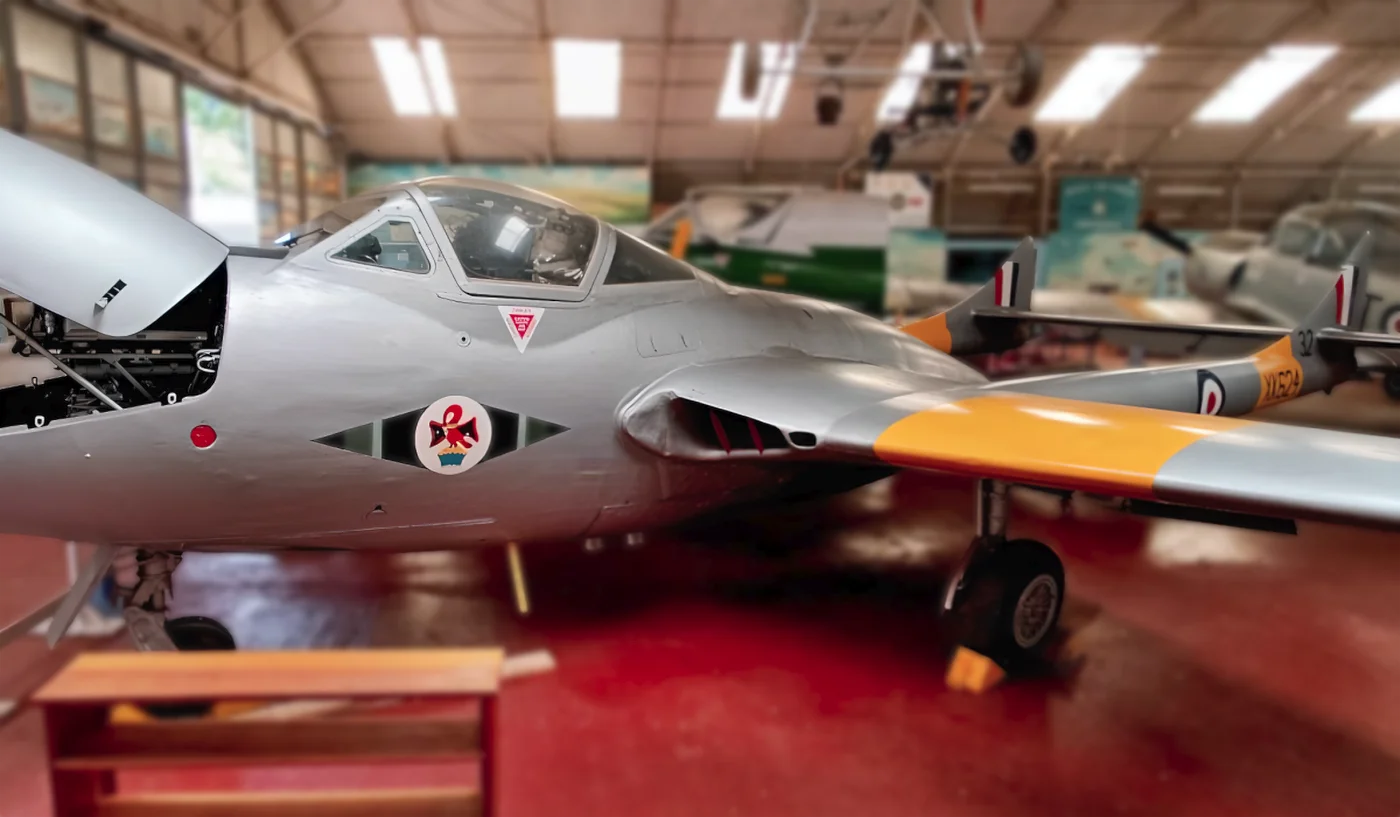
De Havilland
Vampire
Mark:
T.11
Registration No:
XK624
XK624 entered service in July 1956 with 7 FTS at Linton-on-Ouse. It was the last remaining T.11 in service displaying alongside a Meteor T.7 as the RAF Vintage Pair display team. The airframe was purchased by Flixton in 1980.