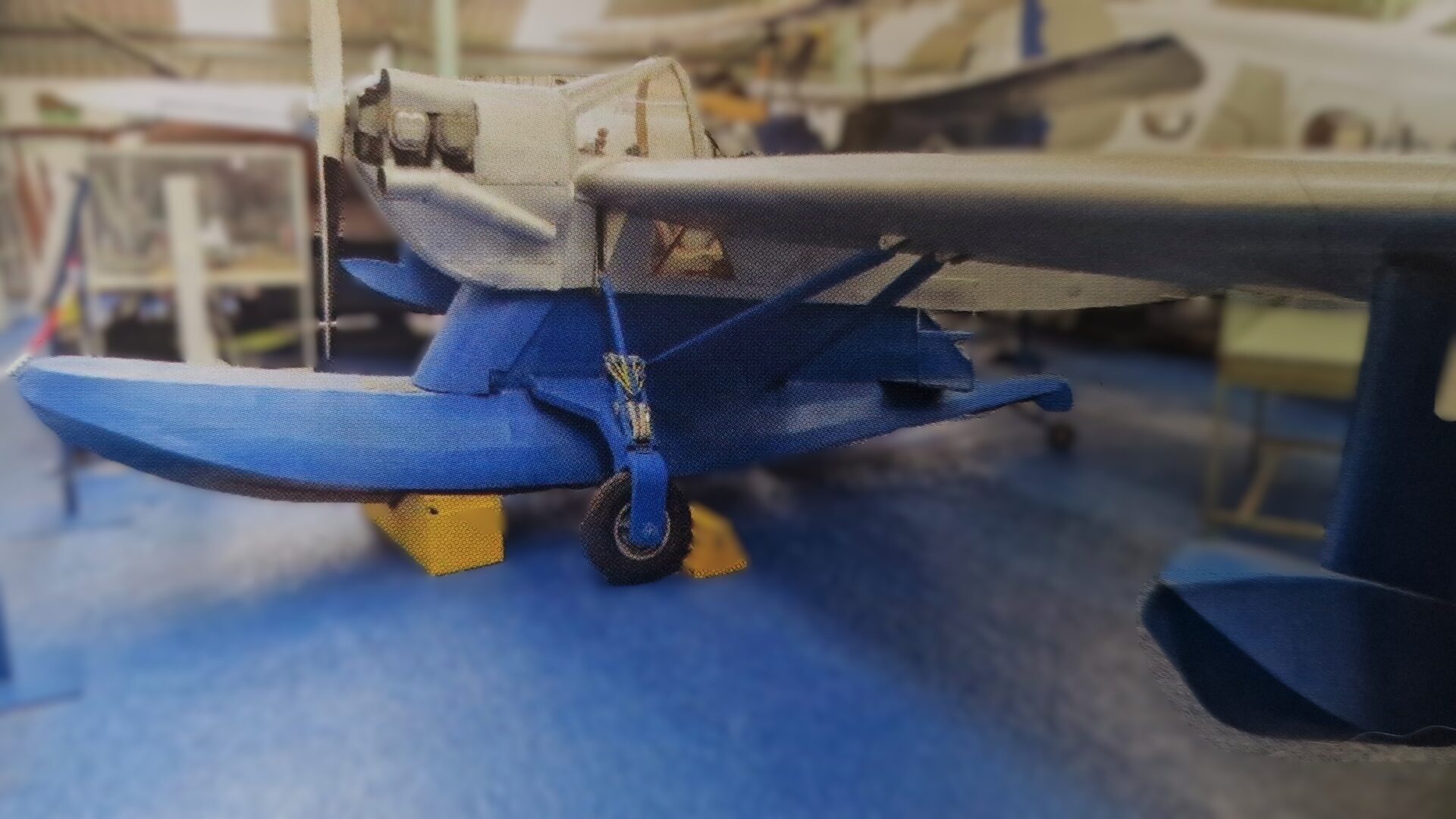
Goldfinch
Amphibian
Mark:
161
Registration No:
n/a
This unusual prototype aircraft does not have an official name. We have simply used the surname of the designer/builder Bill Goldfinch and its type. The number "161", however, is what Bill always called the aircraft. During WW2 Bill was captured and, following a failed escape attempt, transferred to Colditz where he was key in the building of the Colditz Cock.
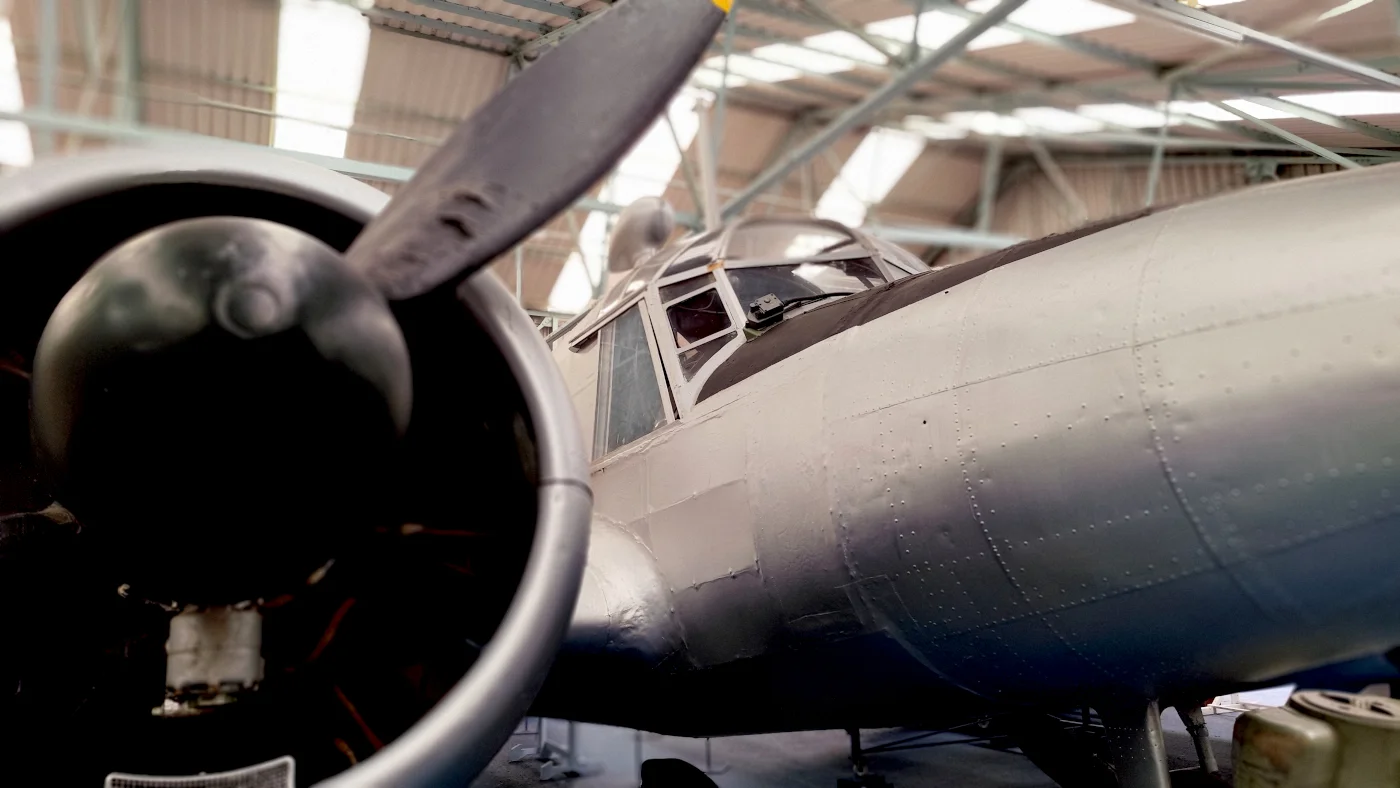
Avro
Anson
Mark:
C.19
Registration No:
VL349
The Avro Anson was a military development of the Avro 652 6-seat commercial aircraft and the prototype made its maiden flight in march 1935. This aircraft was delivered for service on the 2nd January 1947 and retired in 1968. The Anson was purchased by the museum in 1974 and marked the first airframe purchased by the museum. It required a full rebuild before being able to be displayed.
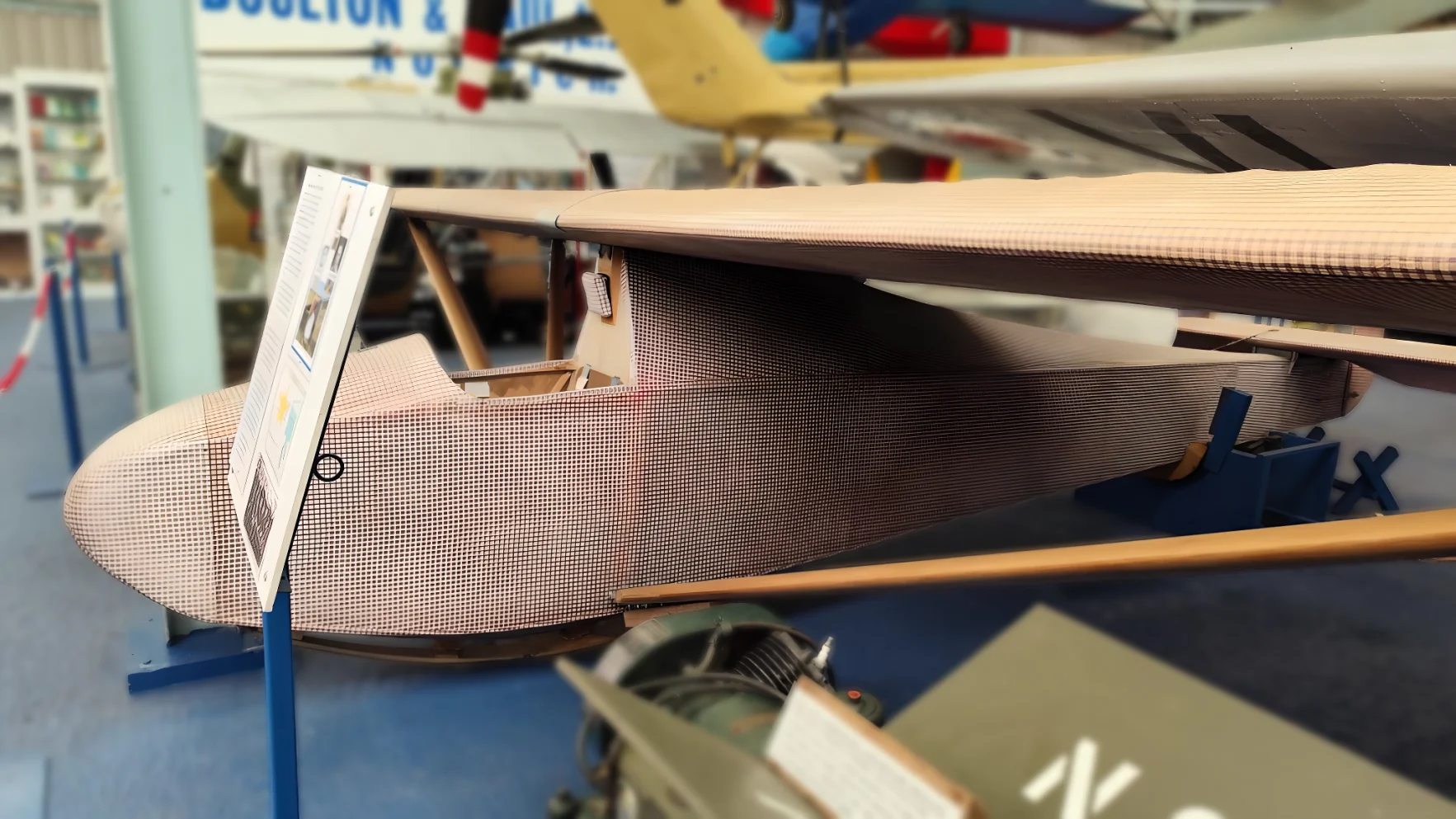
Colditz
Cock
Mark:
n/a
Registration No:
n/a
The Colditz Cock, as it was named, was built in a concealed loft, the plan being to launch it from a rooftop wooden track with a weighted bathtub catapult arrangement. 55 years after the end of the war, Channel 4 Television commissioned the building of a replica for its television series "Escape from Colditz".
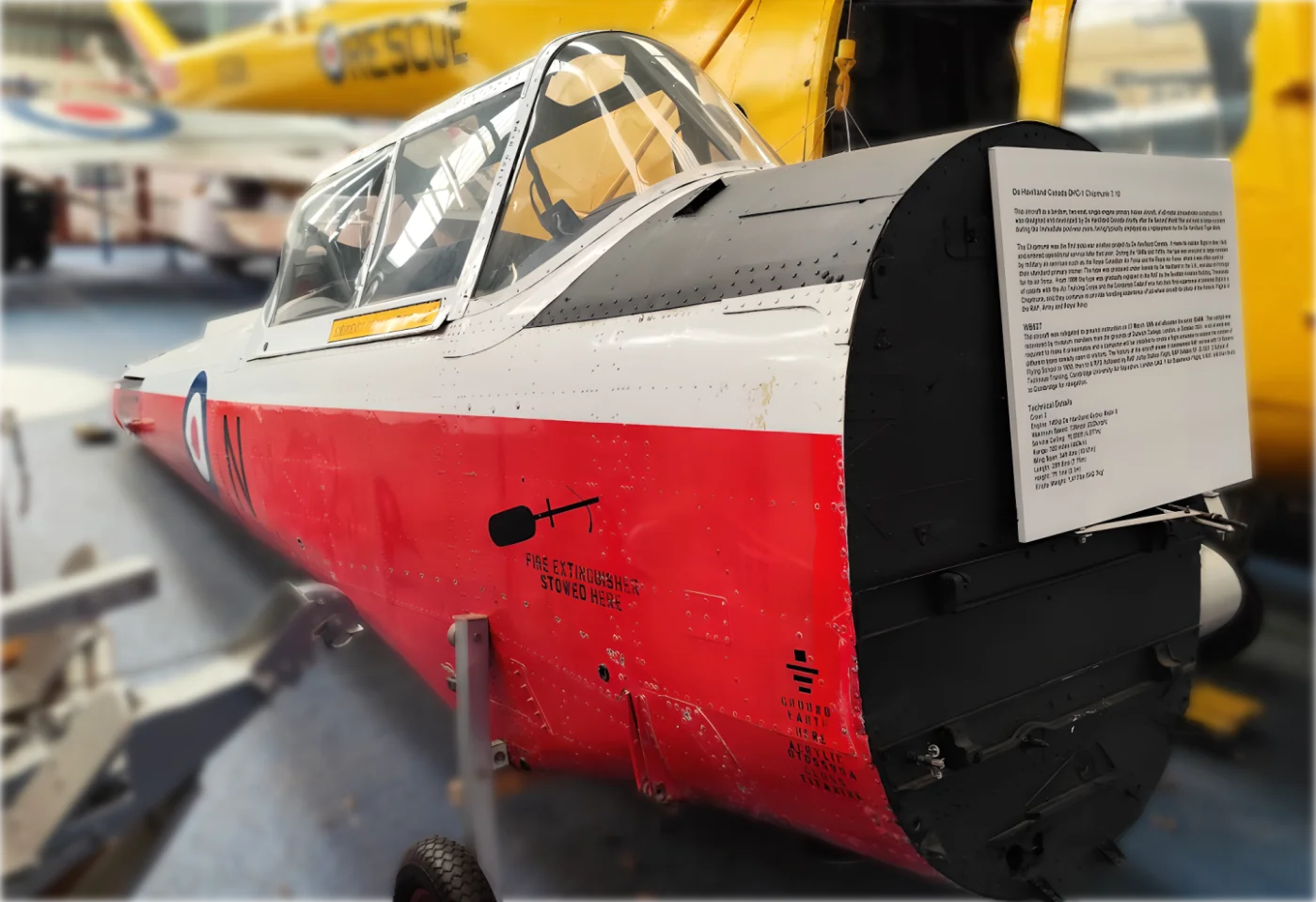
De Havilland Canada
DHC-1 Chipmunk
Mark:
T.10
Registration No:
WB627
This aircraft is a tandem, two-seat, single-engine primary trainer aircraft, of all-metal stressed-skin construction. It was designed and developed by De Havilland Canada shortly after the Second World War and sold in large numbers during the immediate post-war years, being typically employed as a replacement for the De Havilland Tiger Moth.
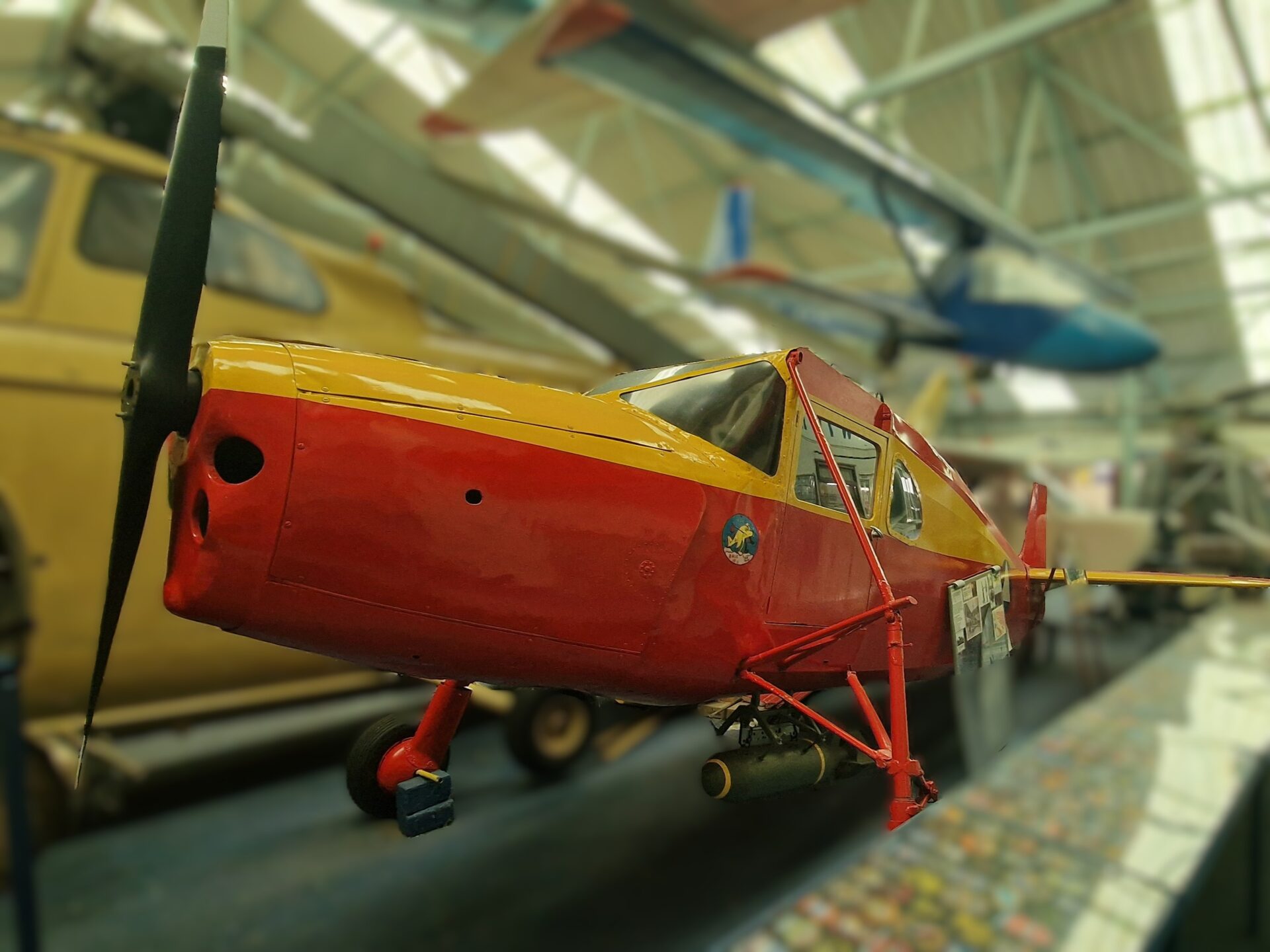
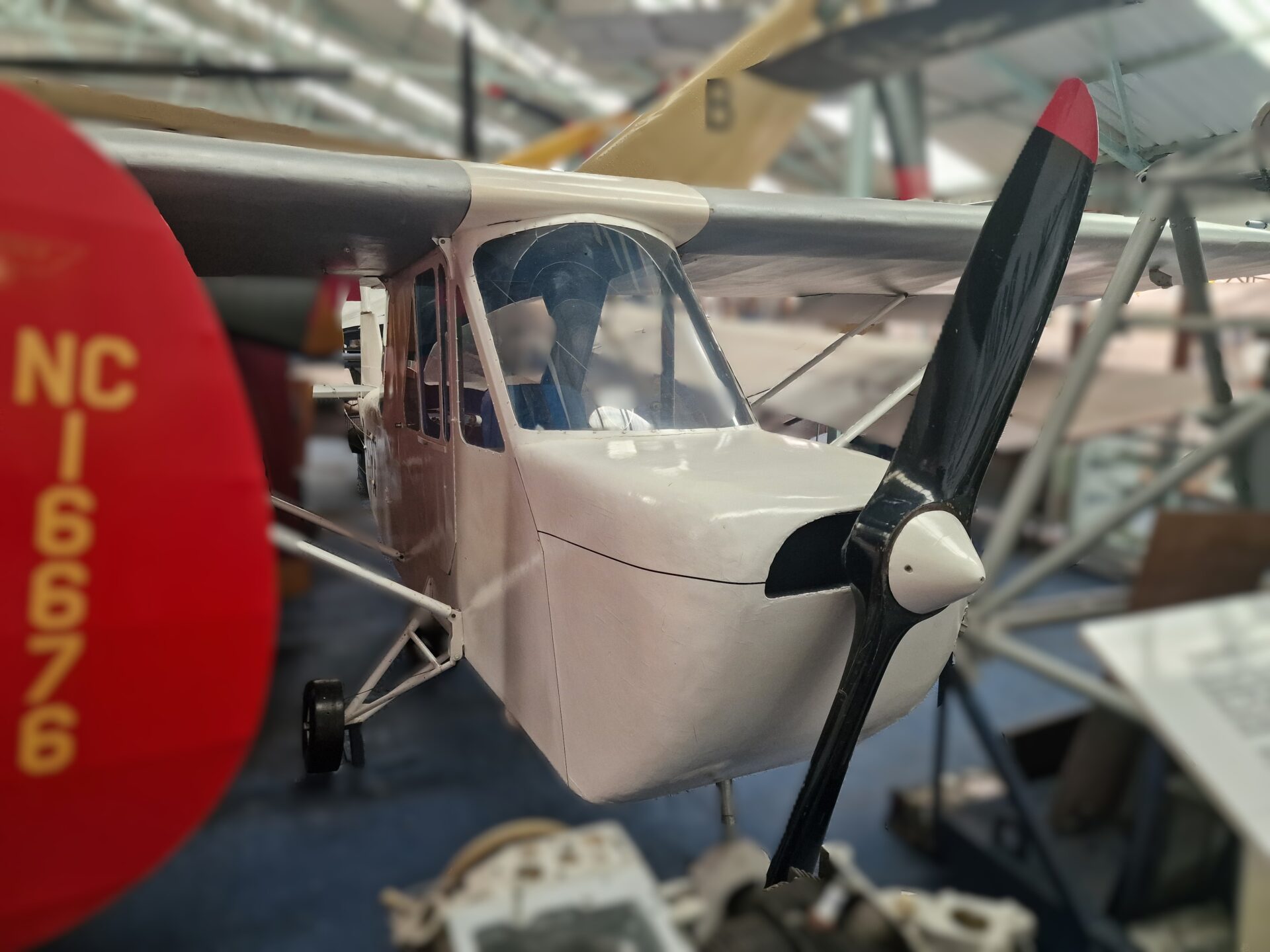
Fairchild
F.24
Mark:
C8-F
Registration No:
NC16676
This aircraft was used for Costal Air Patrols by the Civil Air Patrol (C.A.P.) during the second world war. It was based at station 19. The airframe was donated to the museum in skeletal form in 2002 and restoration began in 2005.
Felixstowe
F.5
Mark:
F.5
Registration No:
n/a
The F.5 was manufactured at Felixstowe using a series of sub-contractors including Phoenix Dynamo Manufacturing Company, Dick, Kerr & Co., and S.E. Saunders. The F.5 (the final flying boat designed by Commander John Porte) was the standard flying boat in service with the RAF following the signing of the Armistice in 1918. Although it looked similar to its predecessors (the F.2A, F.2C and F.3), the prototype F.5 was 10mph faster and had a new wing structure.
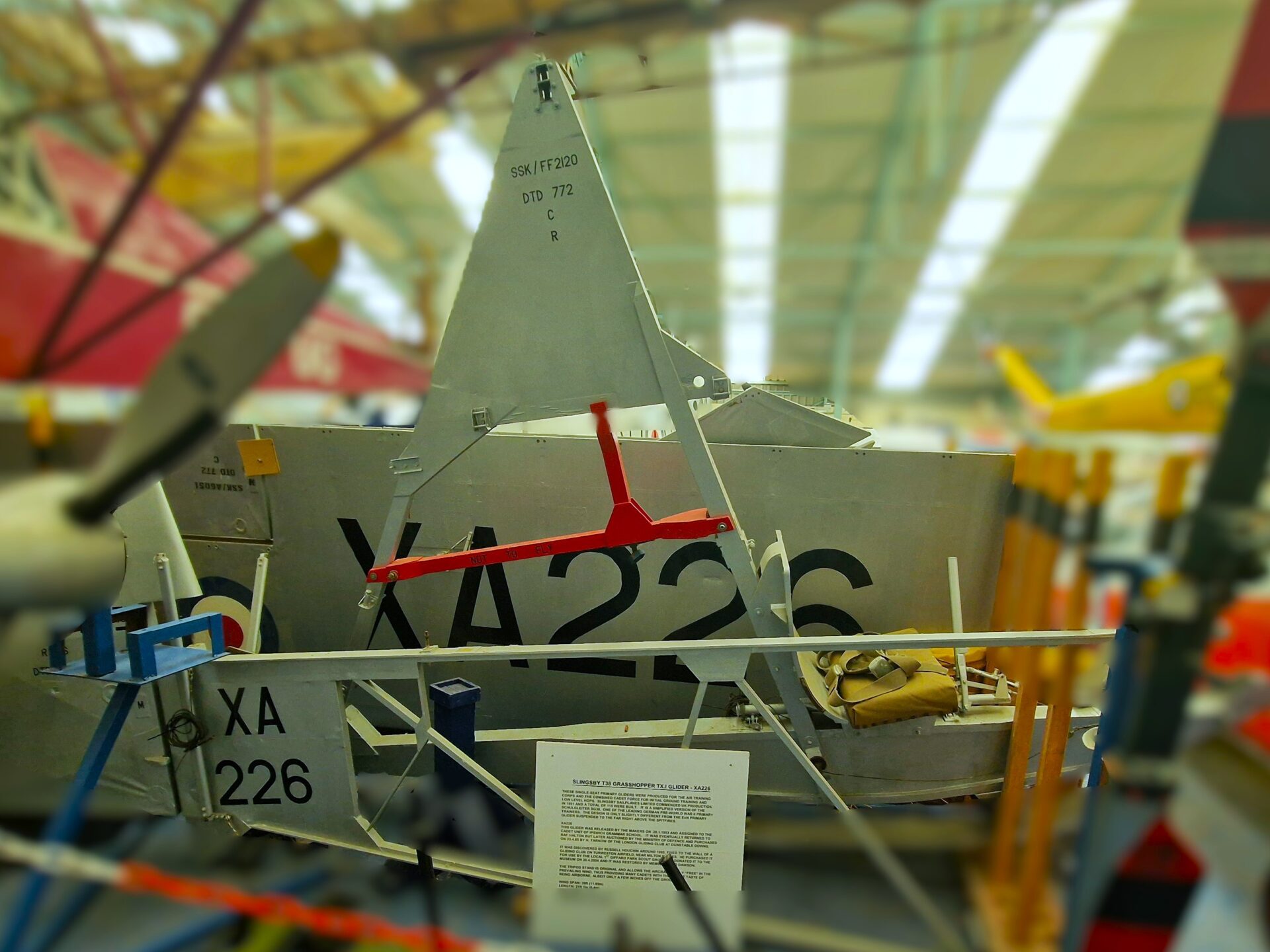
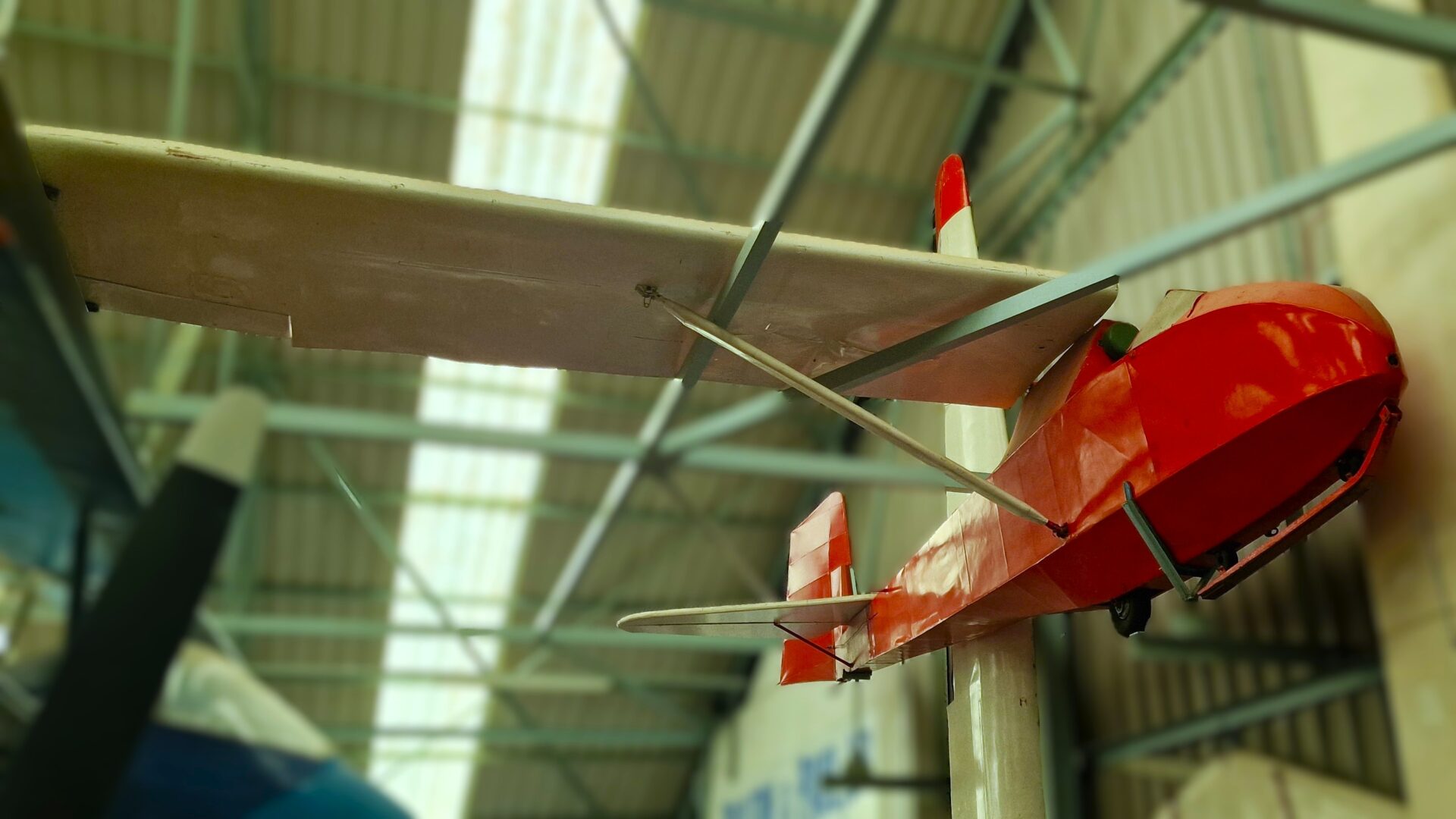
Slingsby
Grasshopper
Mark:
TX.1
Registration No:
XA226
The Grasshopper was designed to give shoert flights (hense the name) to allow new flight pupils to lear flight controls in a relatively safe way. Used by the Air Training Corps (ATC) branch of the RAF between 1952 and the early 1990s.
Schleicher
Grunau Baby
Mark:
3b
Registration No:
D-9142 / RAFGA.374 / BGA.2074 / BGA.2384
First registered in 1954, this Baby 3b soaring glider was built and flown in Germany. It was acquired by the Royal Air Force Gliding and Soaring Association (RAFGSA) in 1966. It then had several owners before being donated to the museum in July 2002.
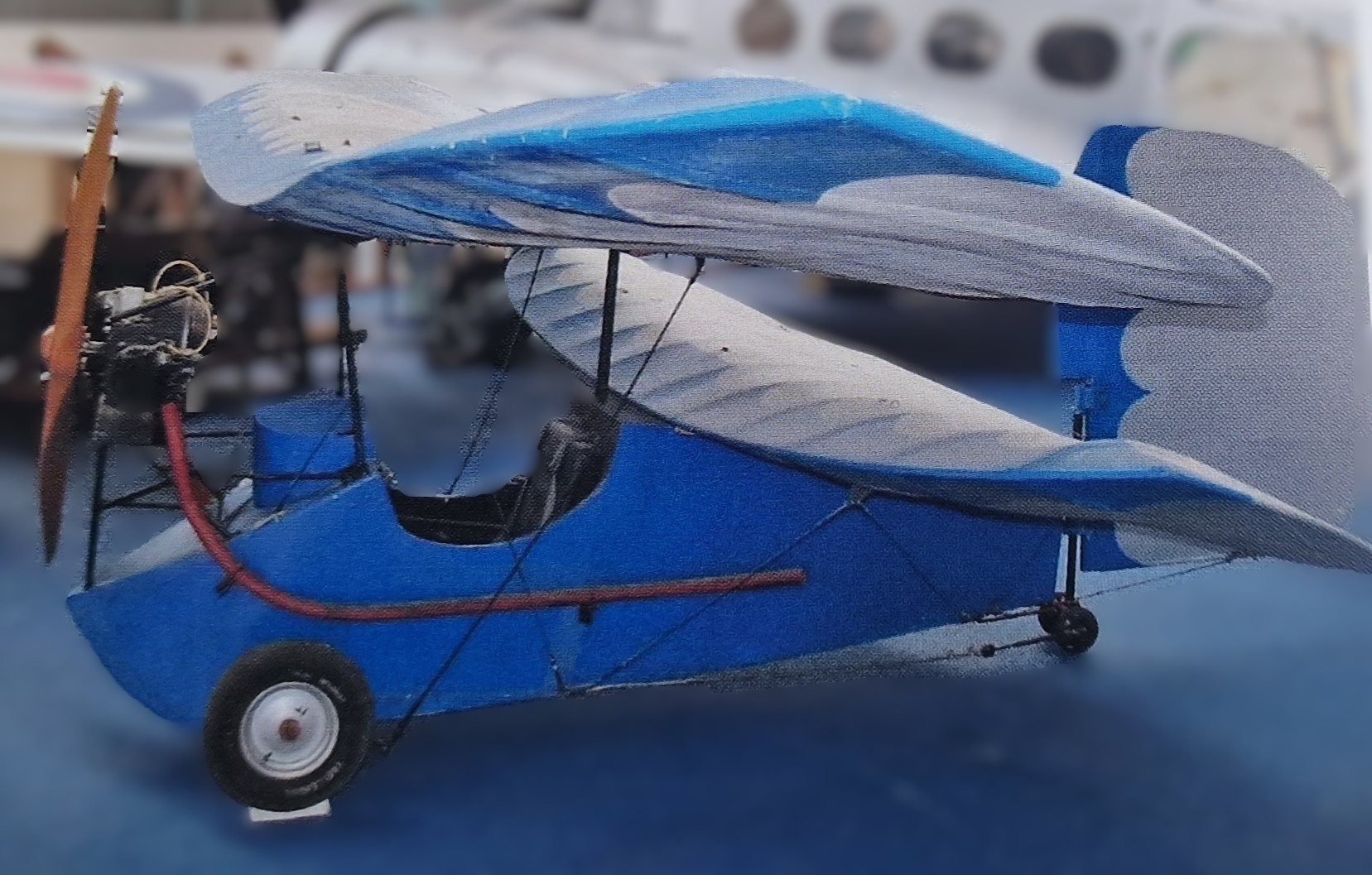
Mignet
HM.14
Mark:
HM.14
Registration No:
BAPC 115
Designed by Frenchman Henri Mignet in 1933 the HM.14 Pou Du Ciel received much attention when shown at the 1935 Paris Aero Show. This aircraft was built in Porthcawl around 1936 by Captain George Pine, who established Pine's Airways Limited
Gowland
Jenny Wren
Mark:
n/a
Registration No:
G-ASRF
The Gowland Jenny Wren is a one off home build aircraft built by G.W.G. 'Jack' Gowland. It was based on the Luton Minor. The aircraft crashed on take off in 1970 and was restored at Flixton before being exhibited here.
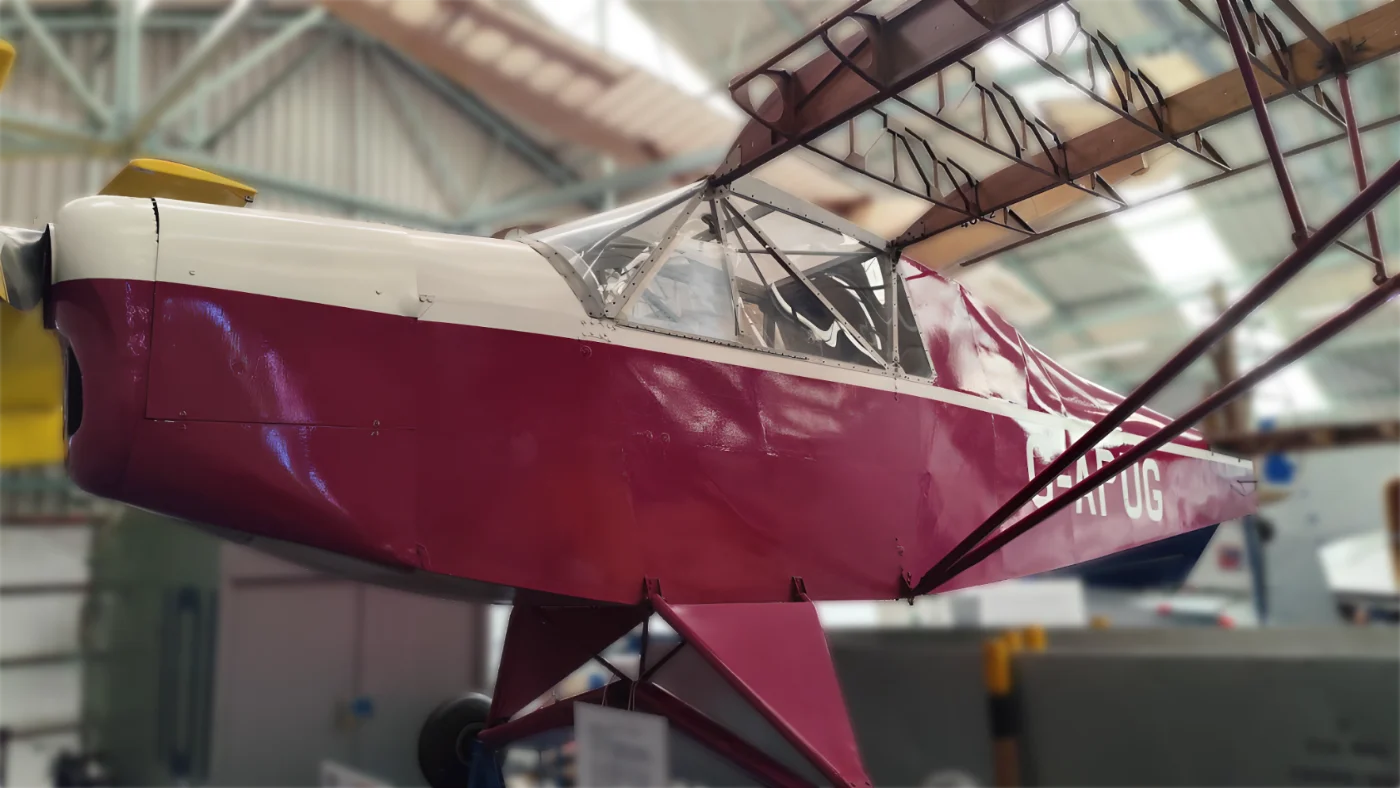
Luton Aircraft Ltd.
LA.5 Major
Mark:
LA-5A
Registration No:
G-APUG
Luton Aircraft Ltd. built the LA-5A Major, and the prototype (Q-AFMU) flew in March 1939 but only a few were built by the outbreak of war. Construction of this aircraft commenced at in 1959 by L. D. Blyth but the airframe was sold twice and never completed. The last owner, Michael Powell, donated it to the museum as an incomplete build.
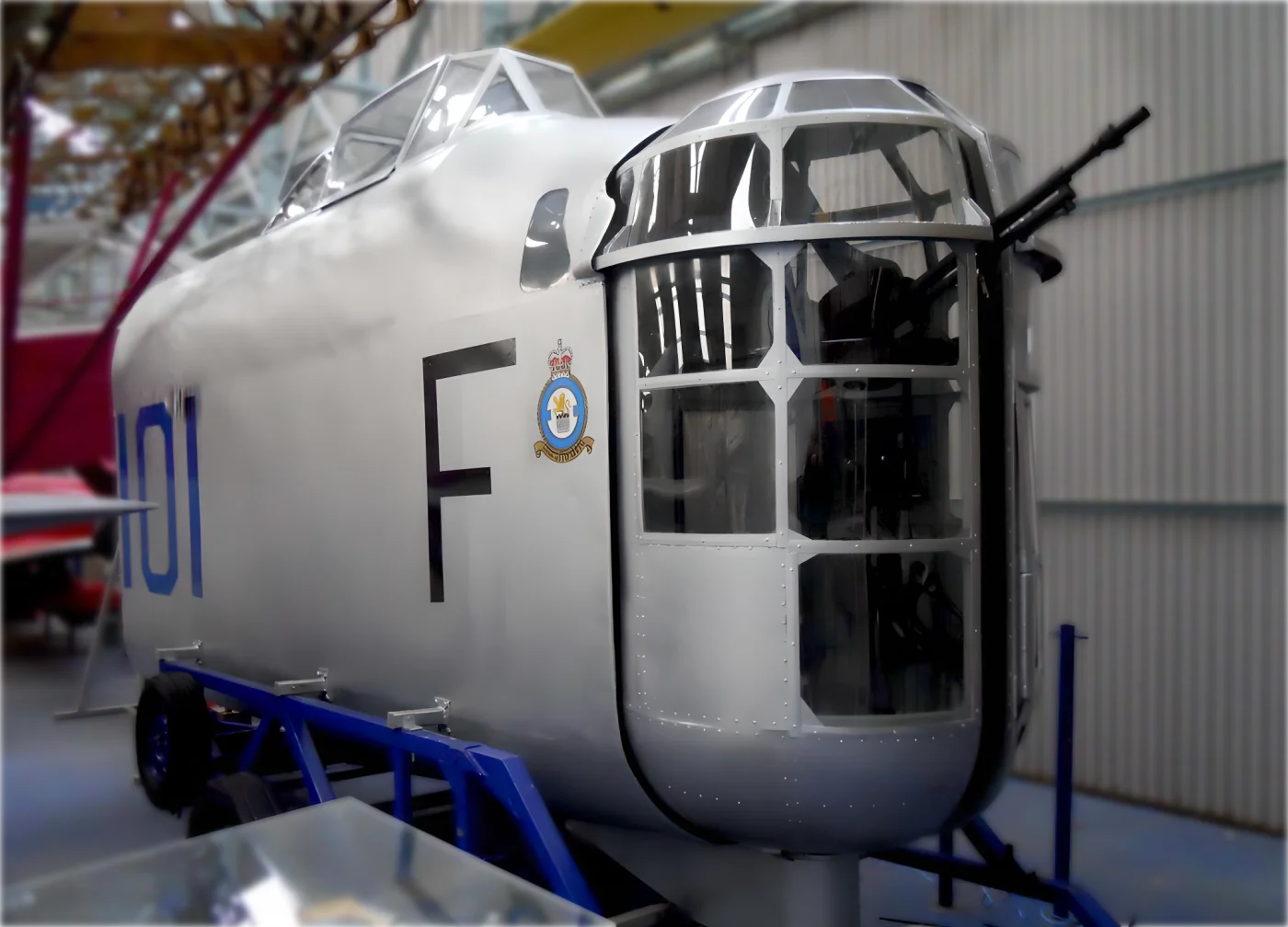
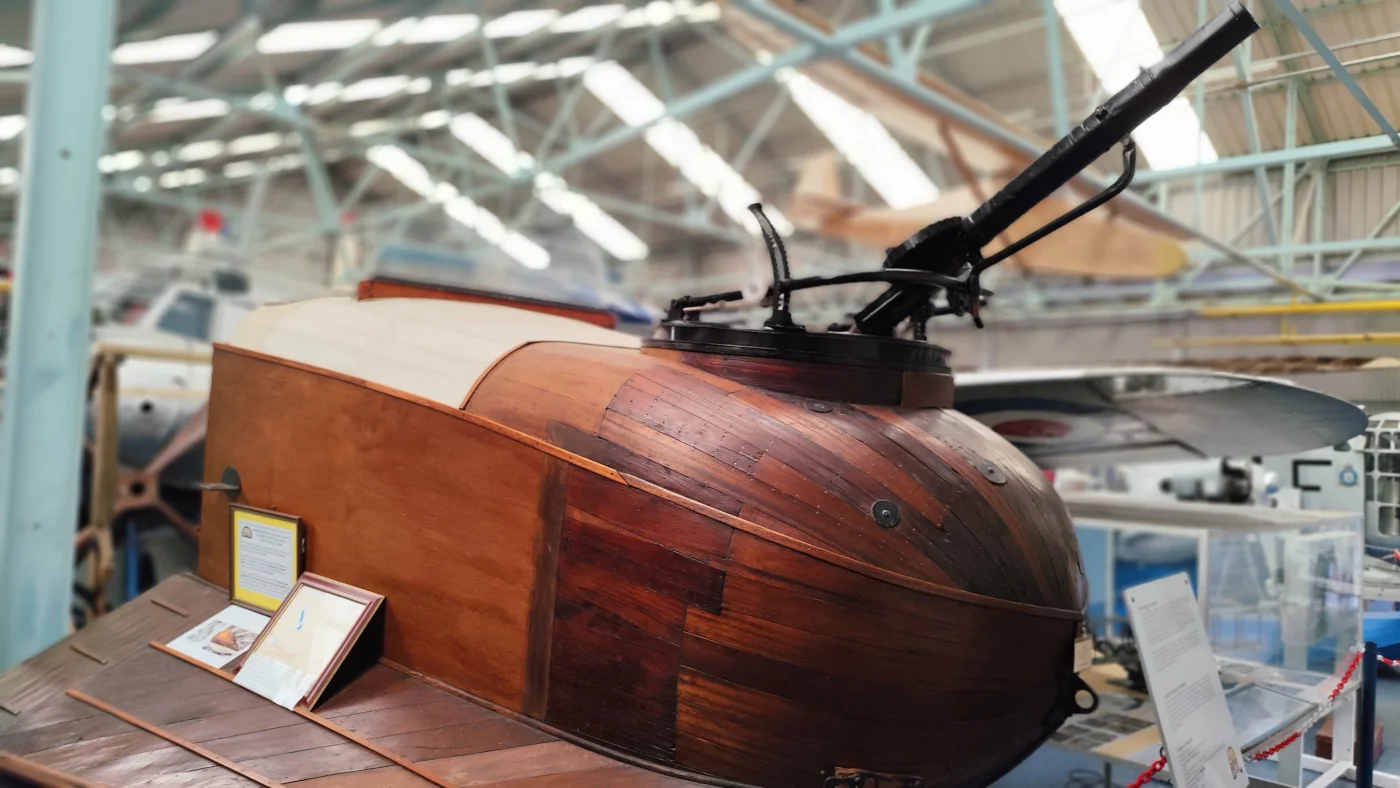
Boulton & Paul
Overstand
Mark:
P.75 (replica)
Registration No:
K4556
This full scale reconstruction represents the nose section of an Overstrand bomber complete with the worlds first power operated gun turret and the last Boulton and Paul aircraft to be manufactured in Norwich. This type entered service with the RAF in 1934. This replica was donated to the museum in 2015 by the Boulton and Paul Association.
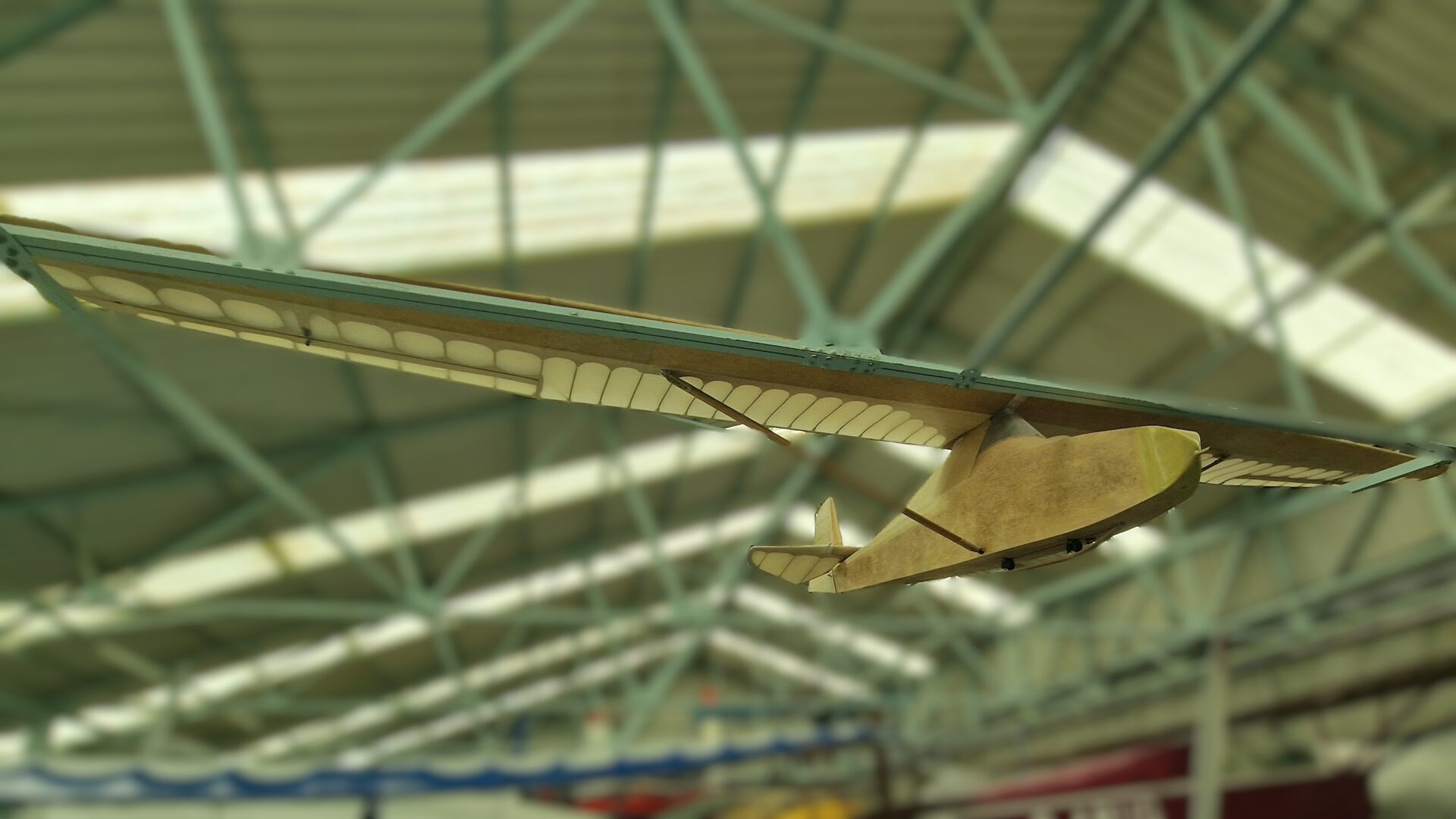
Penrose
Pegasus
Mark:
2
Registration No:
n/a
This is a 25 foot wingspan Pegasus 2, built by the late John Lee, who also built the Lightwing Rooster and Colditz Cock gliders seen elsewhere in the museum.
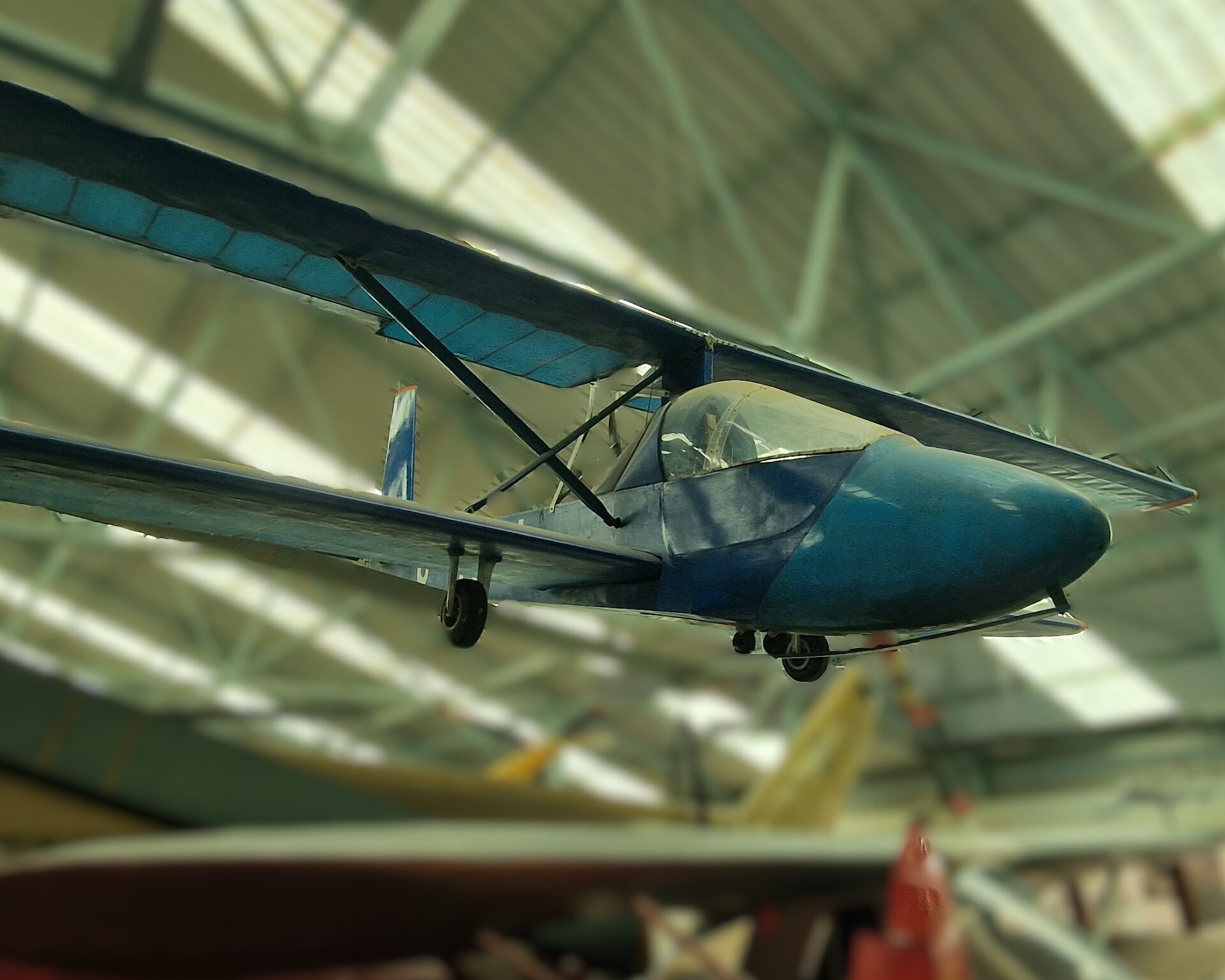
Lightwing
Rooster
Mark:
1
Registration No:
n/a
The Lightwing Rooster 1 / Series 4 microlight was built by John Lee of Littlehampton. It was his forth design and selfbuild. The airframe was donated to the museum in 2004 by his widow.
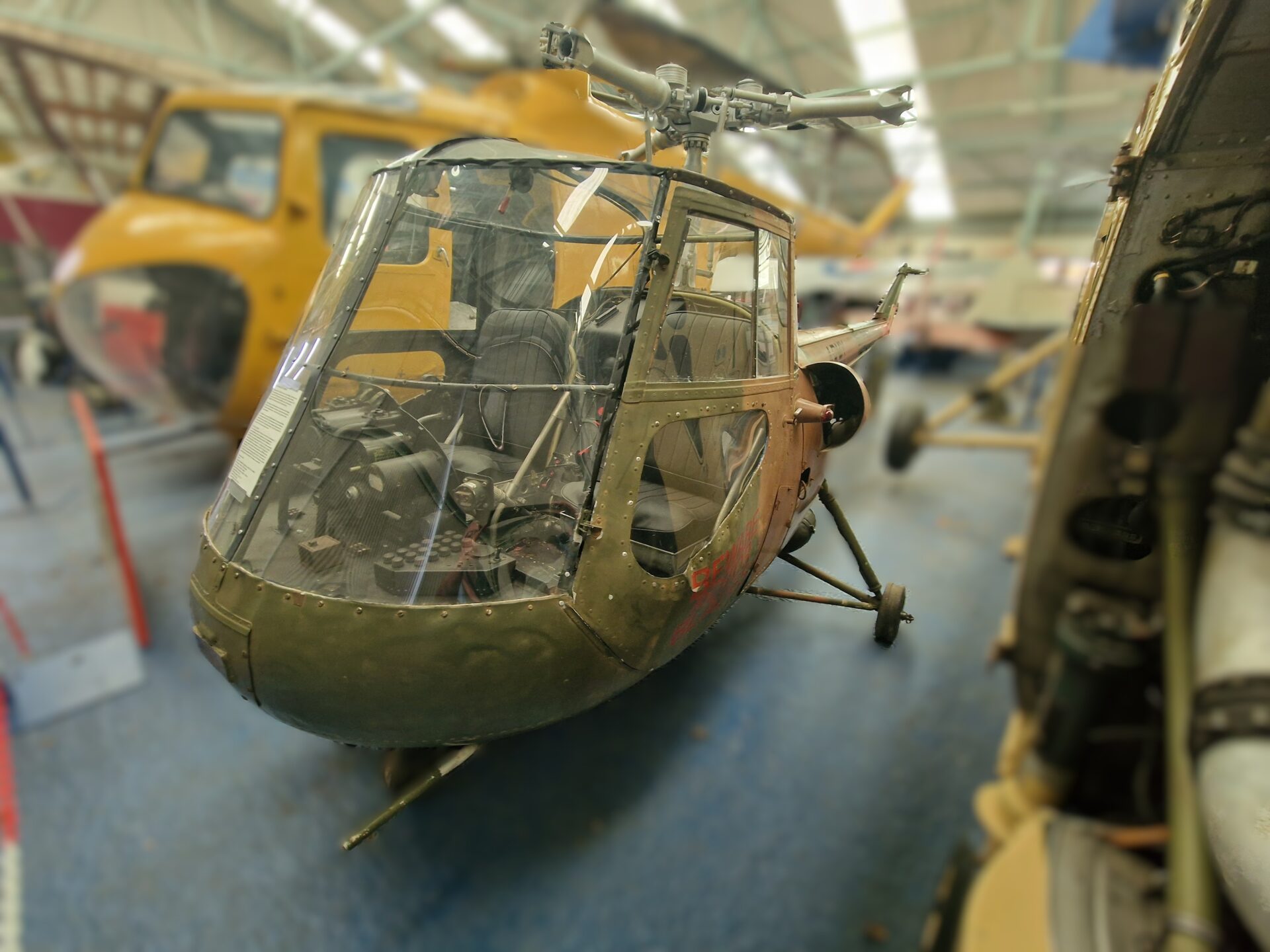
Saro
Skeeter
Mark:
AOP.12
Registration No:
XL739
Saunders-Roe Ltd (SARO) on the Isle of Wight built these 2 seater training and scout helicopters from 1957. They served until 1967. This airframe was placed on long term loan to Flixton in 2026 from the Norfolk Tank Museum. Signficant restoration was undertaken to get it ready for display.
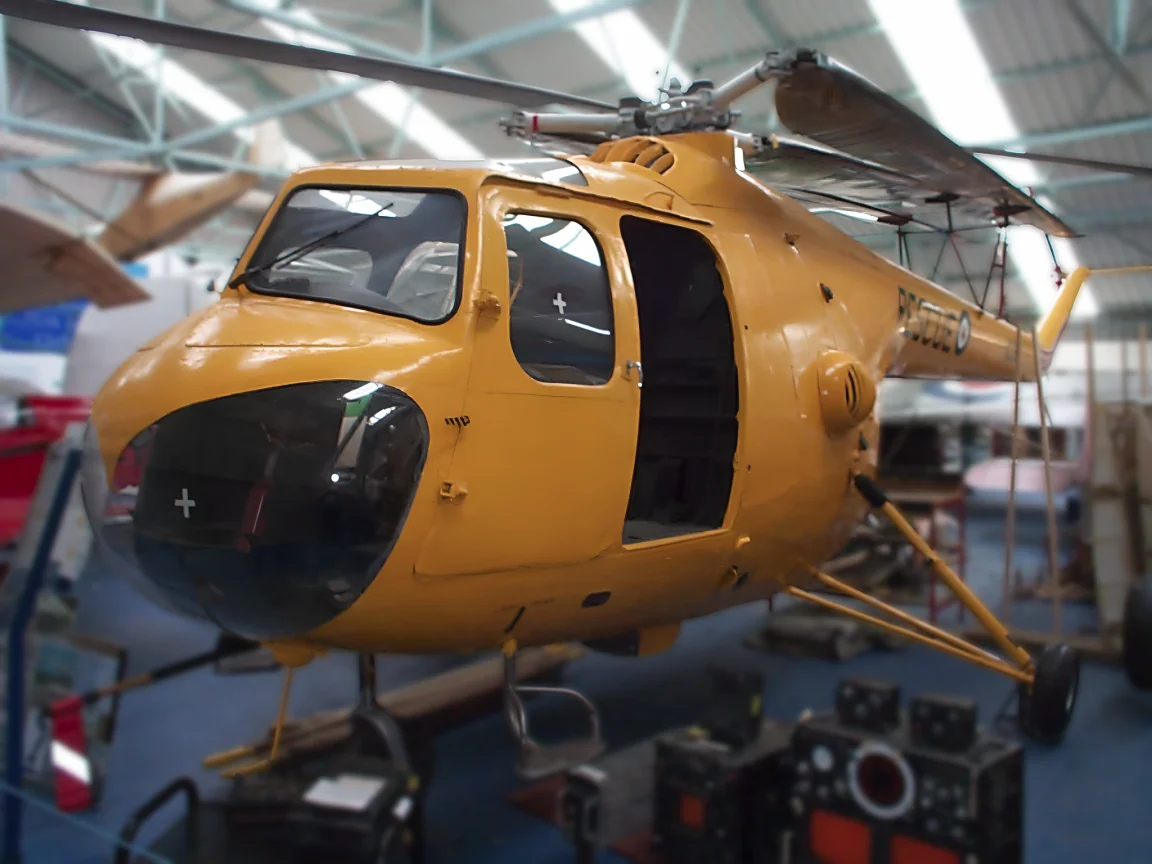
Bristol
Sycamore
Mark:
HR.14
Registration No:
XG518
The Sycamore was developed from the Bristol Type 171 Mk1 first flown in July 1947 and was the first British-designed helicopter to go into service with the RAF. This aircraft was equipped for air-sea rescue duties and initially assigned to the Middle East Air Force.
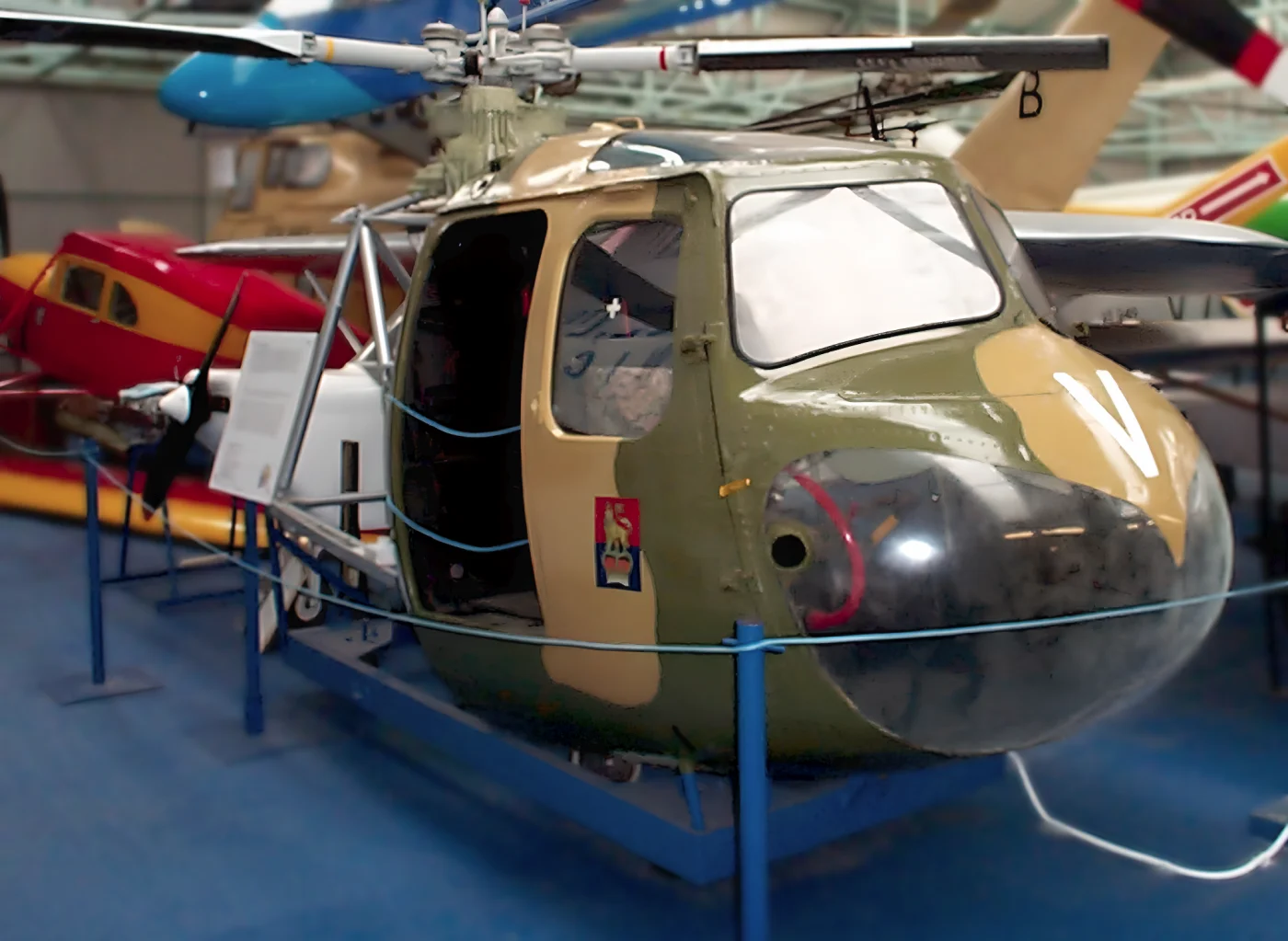
Bristol
Sycamore
Mark:
HR.14 (cockpit flight simulator)
Registration No:
XG523
The HR.14 was the major production variant of the Sycamore and the RAF received around 90. The aircraft joined the Joint Experimental Helicopter Unit (JEHU) at Middle Wallop in January 1956 and was used for navigation, homing and landing aids training, as well as for casevac (casualty evacuation) and troop carrying. It was coded 5 and later V. It is now configured as a helicopter simulator, do you think you could fly it?
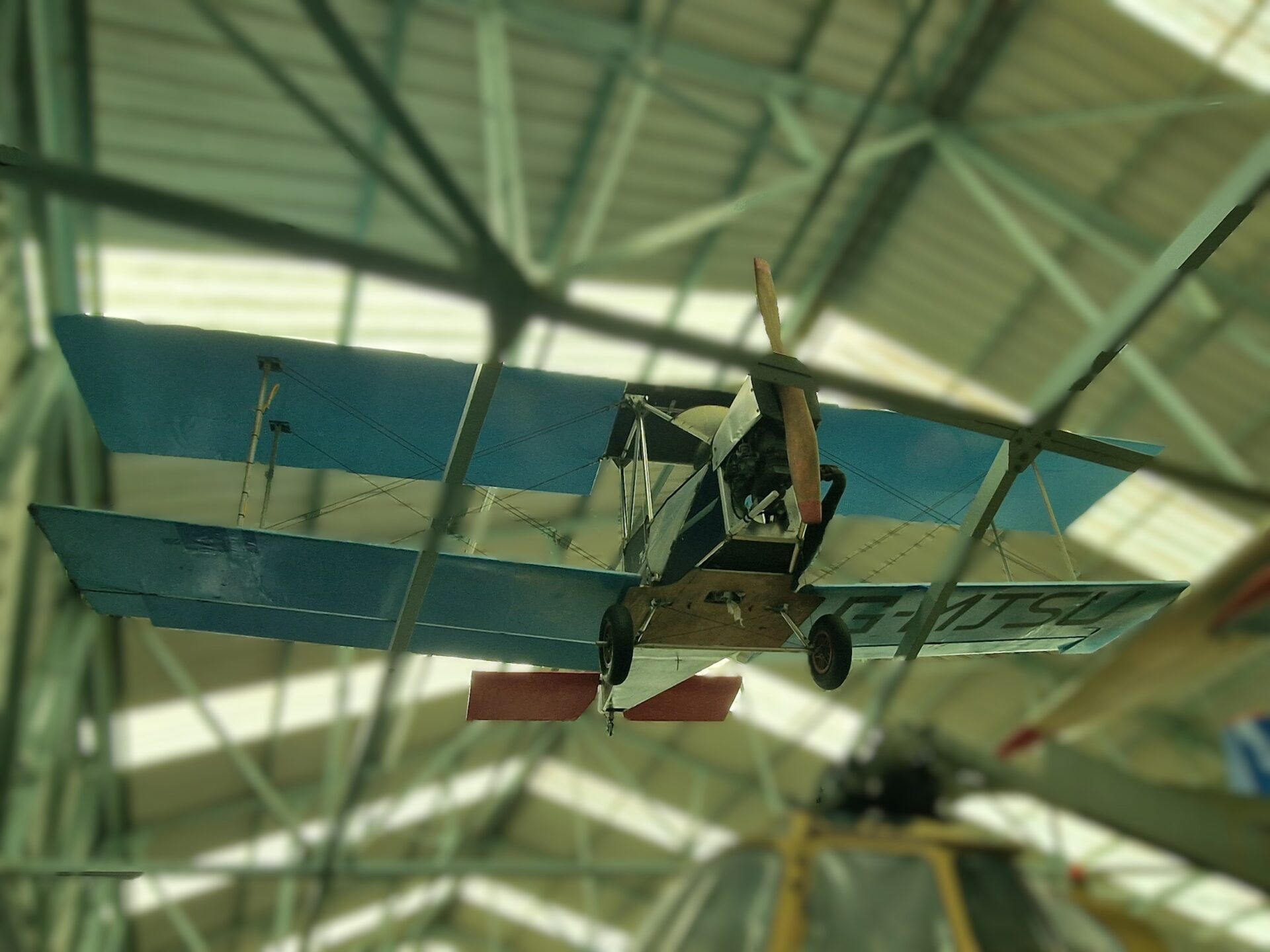
MBA
Tiger Cub
Mark:
440
Registration No:
G-MJSU
Few Tiger Cubs were built and this example was the sixth one registered, on the 2nd February 1983 to Mr Bob Adams. Bob flew it from a grass strip near East Dereham. Its Certificate of Airworthiness expired in 1986 and the microlight never flew again. Bob donated it to the museum in 2002.
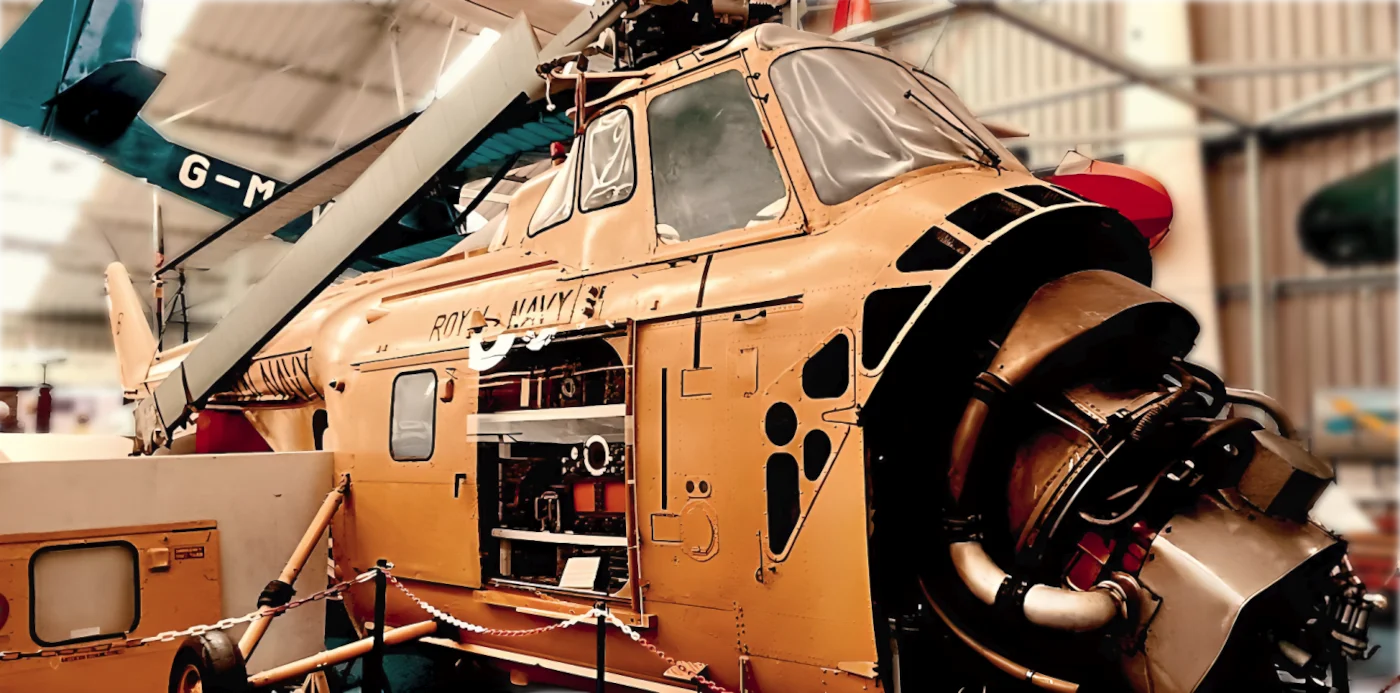
Westland
Whirlwind
Mark:
HAS.7
Registration No:
XN304
The Whirlwind was the British-built version of the Sikorsky S-55. One of 89 HAS.7 built. Used by the Royal Navy for anti-submarine duties and the Royal Marines as transports. The Navys HAS.7 (H=Helicopter, AS=anti submarine) variant was specially equipped for ASW operations. This aircraft first flew in December 1959 and joined 848 Squadron of the Royal Navy for Commando operations. It arrived at Flixton in 1982.
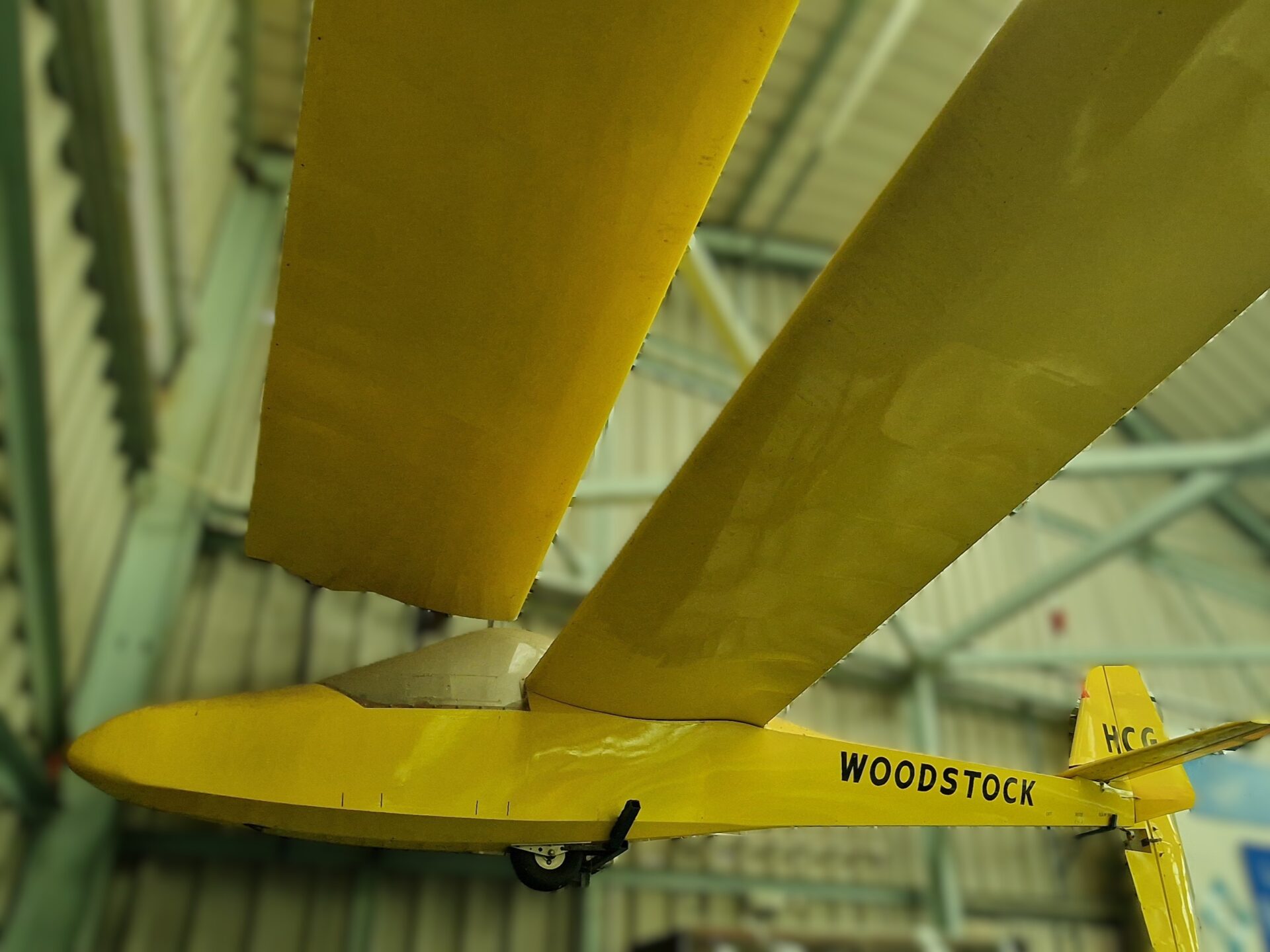
Jim Maupin
Woodstock
Mark:
n/a
Registration No:
n/a
Hand built from plans, this glider was designed to be built using the cheapest materials available and therefore provided a cheap entrance into the world of gliding.